How Long Do Pre Rolls Last
How long do pre rolls last is one of the most common questions in the cannabis space, but the answer isn’t as simple as a fixed timeline. Unlike products with clear expiration dates, pre-rolls are affected by multiple factors that influence how well they maintain quality over time. Storage conditions, exposure to air, light, heat, and humidity all play a role, making it more important to understand these variables than rely on a generic estimate.
At its core, a pre-roll’s longevity depends on the stability of cannabinoids and terpenes—the compounds responsible for potency, flavor, and aroma. These compounds naturally degrade when exposed to environmental stress, leading to a gradual decline in the overall experience. In addition, production quality matters: consistent grinding, proper fill density, and airtight packaging can significantly slow this process, while poorly made pre-rolls lose quality much faster.
Do Pre Rolls Go Bad?
A common question consumers ask is whether pre-rolls actually go bad. Technically speaking, cannabis does not spoil in the same way food does, but it does degrade over time as its chemical composition changes. Instead of becoming unsafe immediately, cannabis gradually loses the compounds responsible for its potency, aroma, and flavor.
Several natural processes contribute to this gradual decline in quality. Environmental exposure and chemical reactions slowly alter the cannabinoids and terpenes that define the cannabis experience. Understanding these processes helps explain why older pre-rolls may feel weaker or taste harsher than freshly produced ones, especially when considering how the infused pre-roll production process impacts stability and longevity.
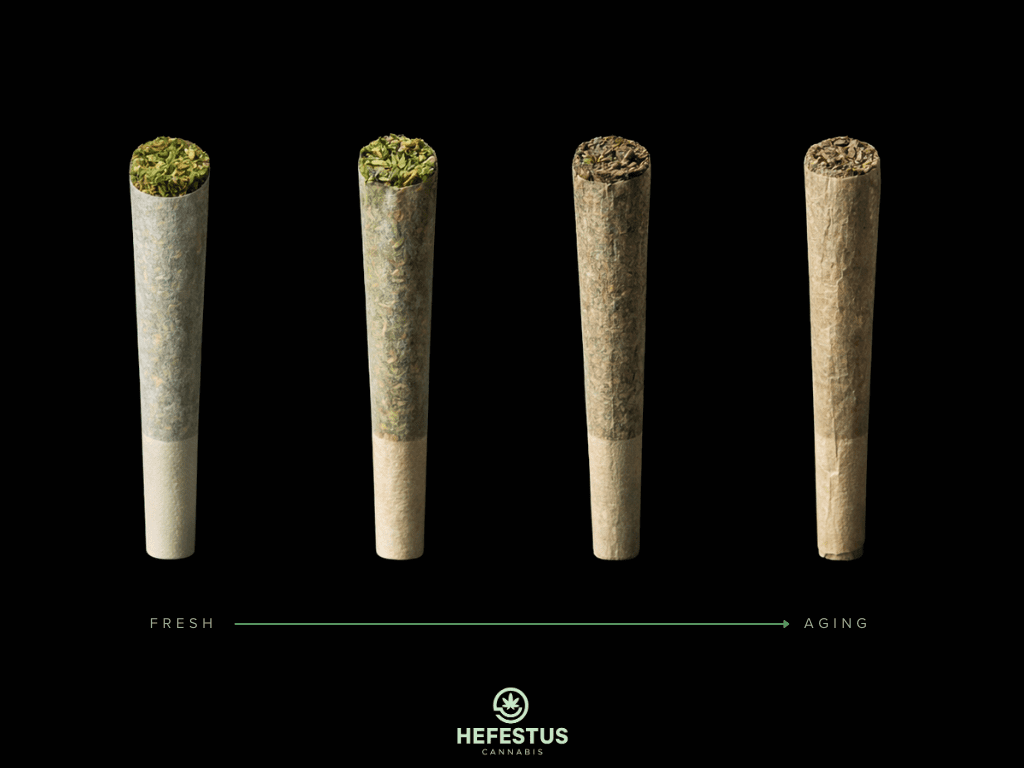
As time passes, cannabinoids degrade and volatile compounds evaporate, causing the overall experience to change. The flower may still be usable, but its sensory and psychoactive properties are usually diminished. This is why both storage conditions and product freshness matter when evaluating how long pre-rolls stay enjoyable.
THC Slowly Converts to CBN
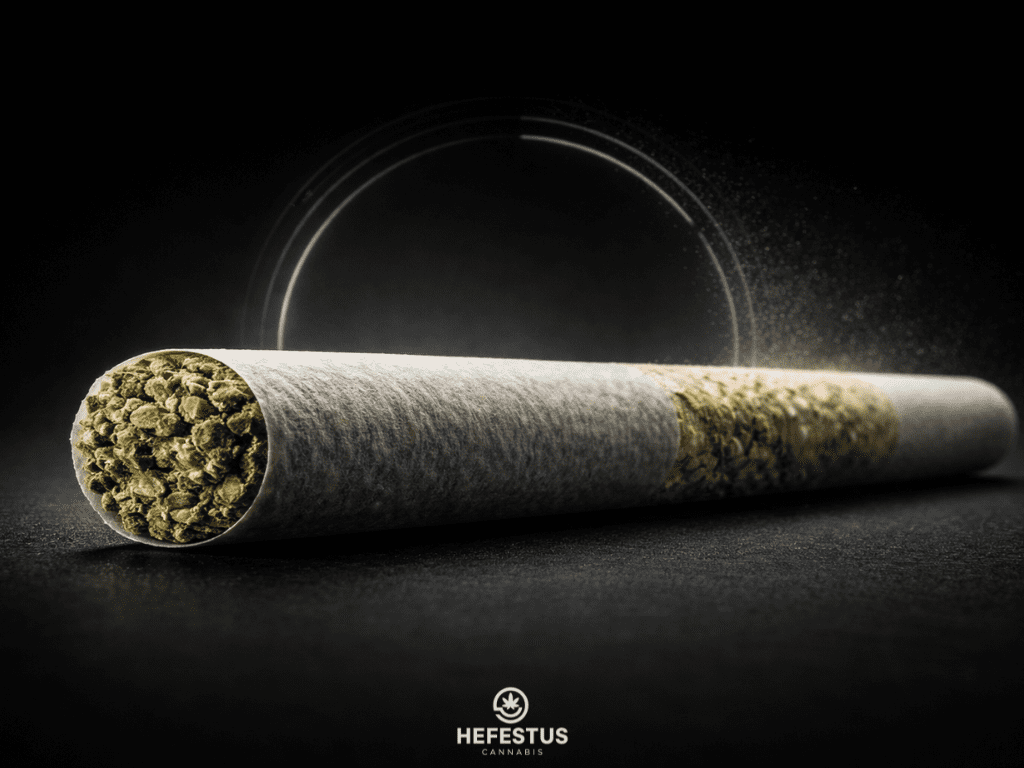
The most significant chemical change that occurs in aging cannabis is the conversion of THC (tetrahydrocannabinol) into CBN (cannabinol). THC is the primary psychoactive compound in cannabis, while CBN is known for producing milder, more sedative effects. As cannabis ages, oxidation slowly transforms THC molecules into CBN, which gradually reduces the intensity of the psychoactive experience.
Research published in the Journal of Pharmaceutical Sciences has shown that THC degrades more quickly when cannabis is exposed to oxygen, heat, and light. These environmental factors accelerate the chemical reactions responsible for cannabinoid breakdown. When cannabis is stored improperly, the rate of degradation can increase significantly.
As this process continues, the potency of the pre-roll decreases, which means the effects may feel weaker than when the product was fresh. Consumers may also notice a shift in the overall experience, with older cannabis producing more relaxed or sleepy sensations. While this change does not necessarily make the product unusable, it does alter the intended effects of the strain.
Terpenes Gradually Evaporate
Terpenes are the aromatic compounds that give cannabis its unique scent and flavor profile. These molecules are highly volatile and sensitive to environmental conditions. As a pre-roll ages, terpenes slowly evaporate, especially if the product is not sealed properly.
When terpene levels decline, the flower loses its complex aroma and taste. This is why older pre-rolls often smell faint or neutral compared to fresh cannabis. The loss of terpenes also reduces the overall sensory experience, since terpenes play a major role in defining a strain’s flavor and aromatic characteristics.
In addition, terpenes contribute to the entourage effect, which describes how cannabinoids and aromatic compounds interact to influence the overall effects of cannabis, making terpene preservation technology essential for maintaining product quality over time. When terpene concentrations decline, the balance between these compounds changes. As a result, older pre-rolls may not only taste different but can also feel slightly different in their overall effects.
Oxygen Causes Oxidation
Oxygen exposure leads to oxidation, which accelerates both cannabinoid degradation and terpene loss. Every time a container is opened, fresh oxygen enters the environment and begins interacting with the cannabis compounds inside. This exposure gradually alters the chemical stability of the cannabinoids present in the flower.
Over time, this interaction contributes to reduced potency and a duller flavor profile. Oxidation also speeds up the conversion of THC into CBN, which further reduces the psychoactive strength of the cannabis. Even small amounts of repeated air exposure can compound over time and noticeably impact product quality.
For this reason, cannabis packaging is often designed to minimize oxygen exchange. Airtight containers, sealed tubes, and nitrogen-flushed packaging are commonly used in the industry to preserve freshness. Reducing oxygen exposure helps maintain both cannabinoid potency and terpene integrity for longer periods.
Cannabis Flower Gradually Dries Out
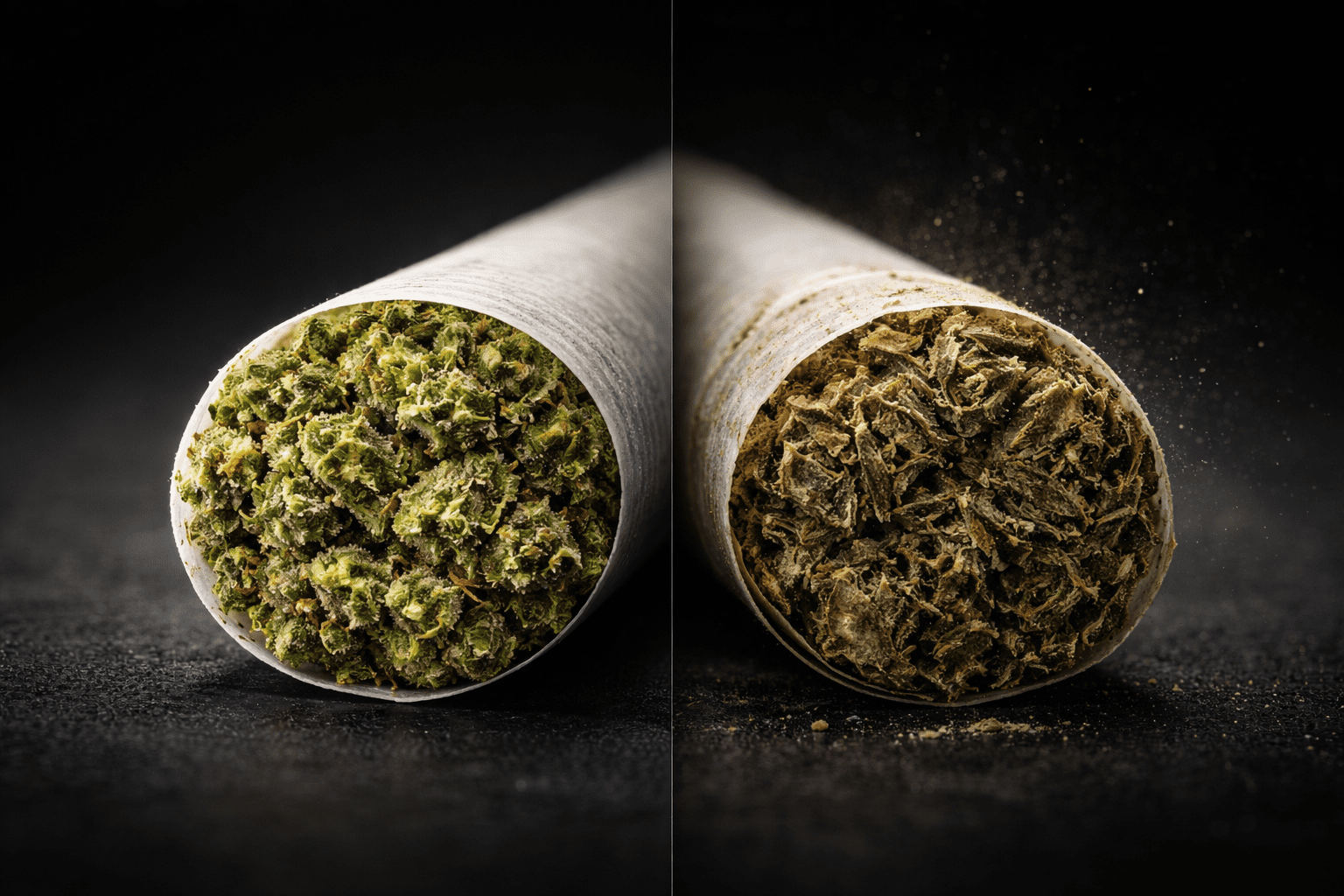
Cannabis naturally contains a small amount of moisture that helps maintain its texture and burn quality. When pre-rolls are stored in overly dry environments, the flower inside becomes brittle and crumbly. This moisture loss changes the structure of the plant material and affects how it burns.
Dry cannabis tends to burn faster and hotter, which often produces a harsher smoke and a less pleasant experience. The lack of moisture also reduces the smoothness of the smoke, making the inhale feel rougher on the throat and lungs. In extreme cases, overly dry cannabis may crumble into fine particles that disrupt airflow inside the pre-roll.
Maintaining balanced humidity is essential to preserving cannabis quality. Proper humidity levels help keep the flower slightly springy rather than brittle. This balance ensures the pre-roll burns evenly and retains more of its natural terpene profile.
Are Old Pre-Rolls Unsafe?
In most cases, older pre-rolls are simply less potent and less flavorful, not dangerous, especially when you understand what infused weed is and how added compounds influence stability. However, there is one major exception: mold contamination. As cannabis ages, its cannabinoids and terpenes degrade, but this natural aging process does not automatically make the product unsafe to consume.
If cannabis is stored in humid environments, mold spores can develop inside the flower. Moldy cannabis should never be smoked, as inhaling mold spores may cause respiratory irritation or health complications. This risk is especially important for individuals with allergies, weakened immune systems, or respiratory conditions.
Fortunately, mold contamination is relatively easy to detect if you know what to look for. Signs may include a musty smell, unusual discoloration, or visible fuzzy growth on the flower. If any of these warning signs appear, the safest option is to discard the pre-roll rather than attempt to use it.
How Long Do Pre Rolls Stay Good?
When people ask how long pre rolls stay good, the answer largely depends on storage conditions. Pre-rolls that are stored carefully can maintain usable quality for much longer than those exposed to poor environmental conditions.
The following table provides a realistic overview of how storage quality affects shelf life.
| Storage Quality | Typical Shelf Life |
| Poor storage | 2–3 months |
| Average storage | Around 6 months |
| Ideal storage | Up to 12 months |
Although pre-rolls can technically last up to a year, most cannabis professionals agree that the best smoking experience usually occurs within the first two to four months after production. During this period, terpene profiles remain vibrant and cannabinoids retain most of their potency.
Two additional factors can significantly extend shelf life:
- Proper curing, which stabilizes the moisture content of the cannabis flower and protects terpene compounds.
- Protective packaging, which limits oxygen exposure and prevents environmental fluctuations.
When both curing and packaging are done correctly, pre-rolls remain fresher for longer periods.
What Affects How Long Pre Rolls Last
Several environmental conditions play a critical role in determining how quickly a pre-roll loses quality. Understanding these factors helps both consumers and producers preserve cannabis freshness.
Light Exposure
Ultraviolet (UV) light is one of the most damaging environmental factors for cannabis. UV radiation breaks down cannabinoids and accelerates terpene evaporation. This process significantly reduces potency over time.
For this reason, most professional cannabis packaging is designed to block or minimize light exposure.
Oxygen Exposure
Air exposure is another major contributor to cannabis degradation. Oxygen triggers chemical reactions that break down cannabinoids and terpenes. As a result, products stored in containers that allow air exchange tend to degrade much faster.
Airtight packaging is therefore essential for preserving freshness.
Temperature
Heat accelerates chemical reactions inside cannabis. When pre-rolls are stored in warm environments, cannabinoids degrade more quickly and terpenes evaporate at a faster rate.
High temperatures can rapidly reduce both the potency and flavor of cannabis.
Humidity
Humidity must remain balanced to maintain cannabis quality. If humidity levels are too high, mold growth becomes a serious risk. If humidity is too low, the flower dries out and becomes brittle.
Cannabis experts generally recommend the following storage conditions:
- Temperature: 60–68°F (15–20°C)
- Relative humidity: 55–62%
Maintaining these ranges helps preserve both moisture and terpene content.
How Pre Roll Manufacturing Affects Shelf Life
While storage conditions are critical, manufacturing quality also plays a major role in determining how long pre-rolls stay fresh. The production process influences oxygen exposure, moisture levels, and overall product stability.
Several production variables directly impact shelf life.
Grinding Consistency
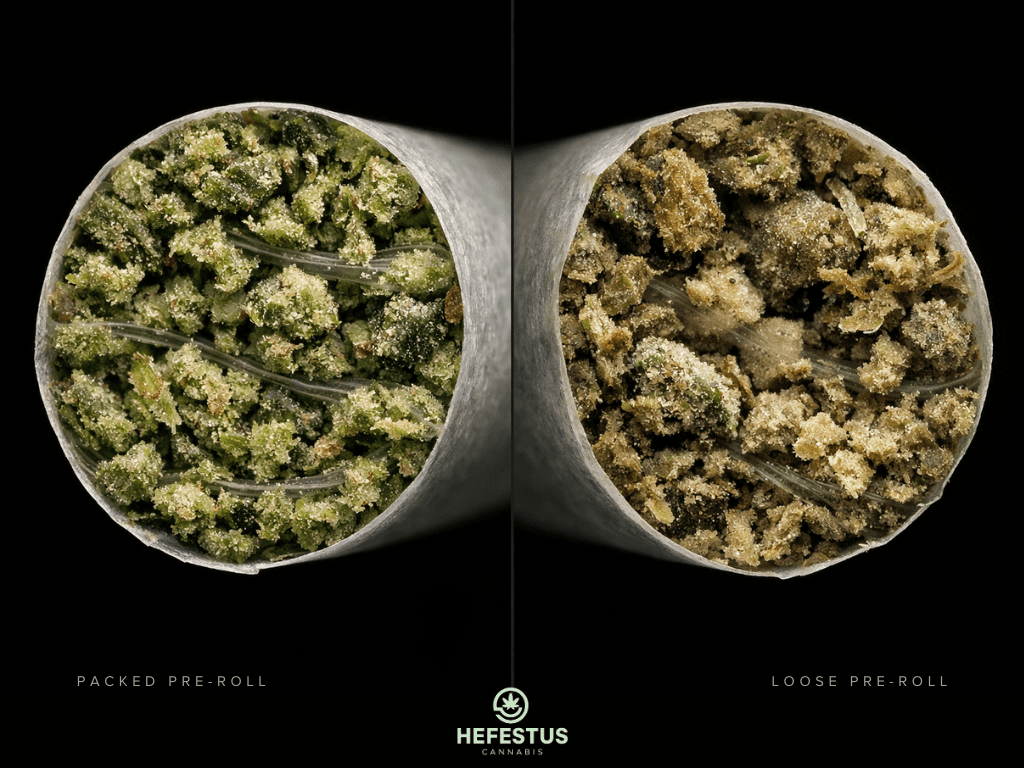
Uniform grinding ensures that cannabis particles are evenly sized. When the grind is inconsistent, airflow within the pre-roll becomes uneven. This can lead to air pockets that accelerate terpene loss and degrade product stability.
Cone Filling Density
The density of the fill affects both burn performance and oxygen exposure. Pre-rolls that are packed too loosely contain excess air inside the cone. This extra oxygen contributes to faster degradation.
Consistent fill density helps maintain both freshness and burn quality, which is why proper pre-roll packing techniques are essential for long-term stability.
Oxygen Exposure During Production
During manual production processes, cannabis flower may remain exposed to air for extended periods. Automated manufacturing systems help minimize oxygen exposure during filling and packaging.
Reducing air contact during production helps preserve terpene content and cannabinoid stability.
Moisture Control During Manufacturing
Cannabis flower must maintain a balanced moisture level during production. If the material becomes too dry during processing, shelf life can decrease significantly.
Controlled manufacturing environments help stabilize moisture levels throughout the process.
Airtight Packaging
Proper packaging is one of the most important factors affecting pre-roll longevity. Containers that limit oxygen exchange and protect against environmental fluctuations can dramatically extend product shelf life.
Poor production methods can lead to several quality issues:
- Air pockets within cones
- Uneven burning during use
- Faster terpene evaporation
- Reduced product stability
For these reasons, many commercial cannabis brands rely on automated pre-roll production systems and commercial pre-roll equipment to ensure consistent quality and longer shelf life.
How to Tell If a Pre Roll Has Gone Bad
Although cannabis degrades gradually, several warning signs indicate that a pre-roll may have passed its prime.
Common indicators include:
- Musty or moldy smell, which can indicate fungal contamination
- Visible mold or discoloration on the cannabis flower
- Brittle texture, suggesting excessive dryness
- Weak or faded aroma, indicating terpene loss
- Harsh smoke, caused by degraded cannabinoids and dry material
If mold is present, the pre-roll should be discarded immediately.
Best Way to Store Pre Rolls
Proper storage dramatically improves how long pre-rolls remain fresh and enjoyable. Following a few simple best practices can preserve both flavor and potency.
Best Practices
The most effective storage strategies include:
- Using airtight containers to limit oxygen exposure
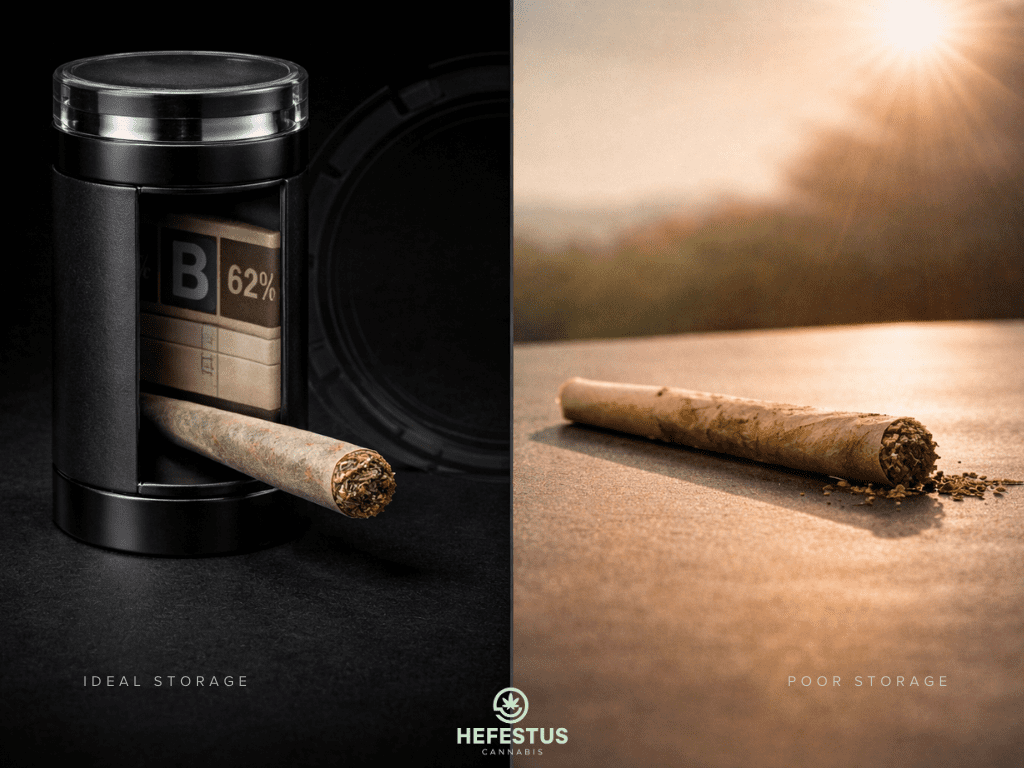
- Keeping pre-rolls in a cool, dark location away from sunlight
- Using humidity packs designed for cannabis storage
- Minimizing how often containers are opened
What to Avoid
Certain storage habits can quickly degrade cannabis quality. These include:
- Storing pre-rolls in plastic bags, which allow air exchange
- Leaving products in direct sunlight
- Keeping cannabis in high-heat environments, such as cars
- Allowing excessive humidity, which can cause mold
Glass jars with humidity control packs are widely considered one of the best solutions for long-term cannabis storage.
Final Thoughts
So, how long do pre rolls last?
In most cases, properly stored pre-rolls remain usable for six to twelve months, although their best flavor and potency typically occur during the first few months after production.
Both storage conditions and manufacturing quality play essential roles in determining shelf life. When cannabis is properly cured, packaged carefully, and stored under stable conditions, it can retain much of its terpene richness and cannabinoid potency for extended periods.
As the cannabis industry continues to grow, advances in automated pre-roll production, controlled manufacturing environments, and improved packaging technology are helping producers maintain higher quality standards across large production volumes.
If you found this guide helpful, consider sharing it with others interested in cannabis quality, storage, or pre-roll production.