How Are Pre Rolls Made
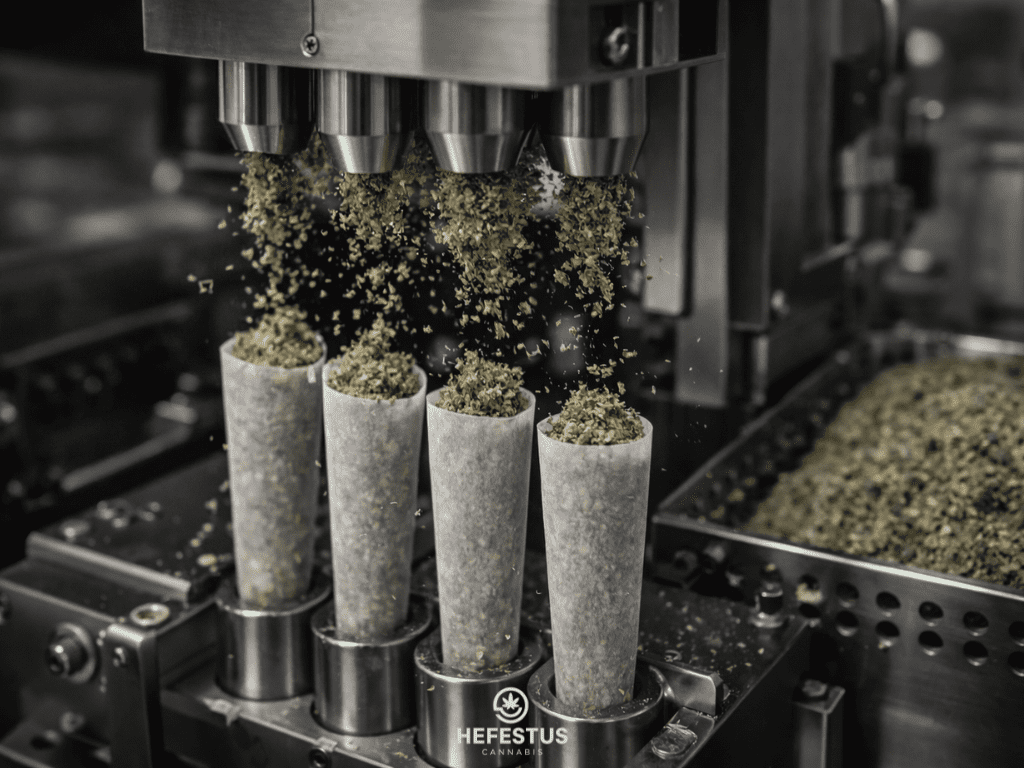
Cannabis pre-rolls have become one of the most dominant product categories in the legal cannabis market, and their growth isn’t slowing down. In mature markets, pre-rolls consistently rank among the top-selling items because they remove friction for the consumer—no grinding, no rolling, no preparation. Just light and go.
For cannabis brands and manufacturers, producing high-quality pre-rolls at scale is not just about filling cones with flower. It’s about controlling variables like grind size, density, airflow, and consistency across thousands—or even millions—of units.
In this guide, we’ll break down exactly how pre rolls are made, from raw cannabis flower to finished packaged product. More importantly, we’ll show you what actually matters in each step—and why the best producers treat pre-roll manufacturing as a precise, repeatable system, not a simple assembly process.
What Is a Cannabis Pre Roll?
A cannabis pre-roll is a ready-to-smoke joint that has been pre-assembled using measured cannabis flower and rolling materials. While it may seem like a basic product, each component plays a specific role in performance and consistency.
A standard pre-roll includes:
- Ground cannabis flower
- A rolling paper or pre-formed cone
- A filter tip (also called a crutch)
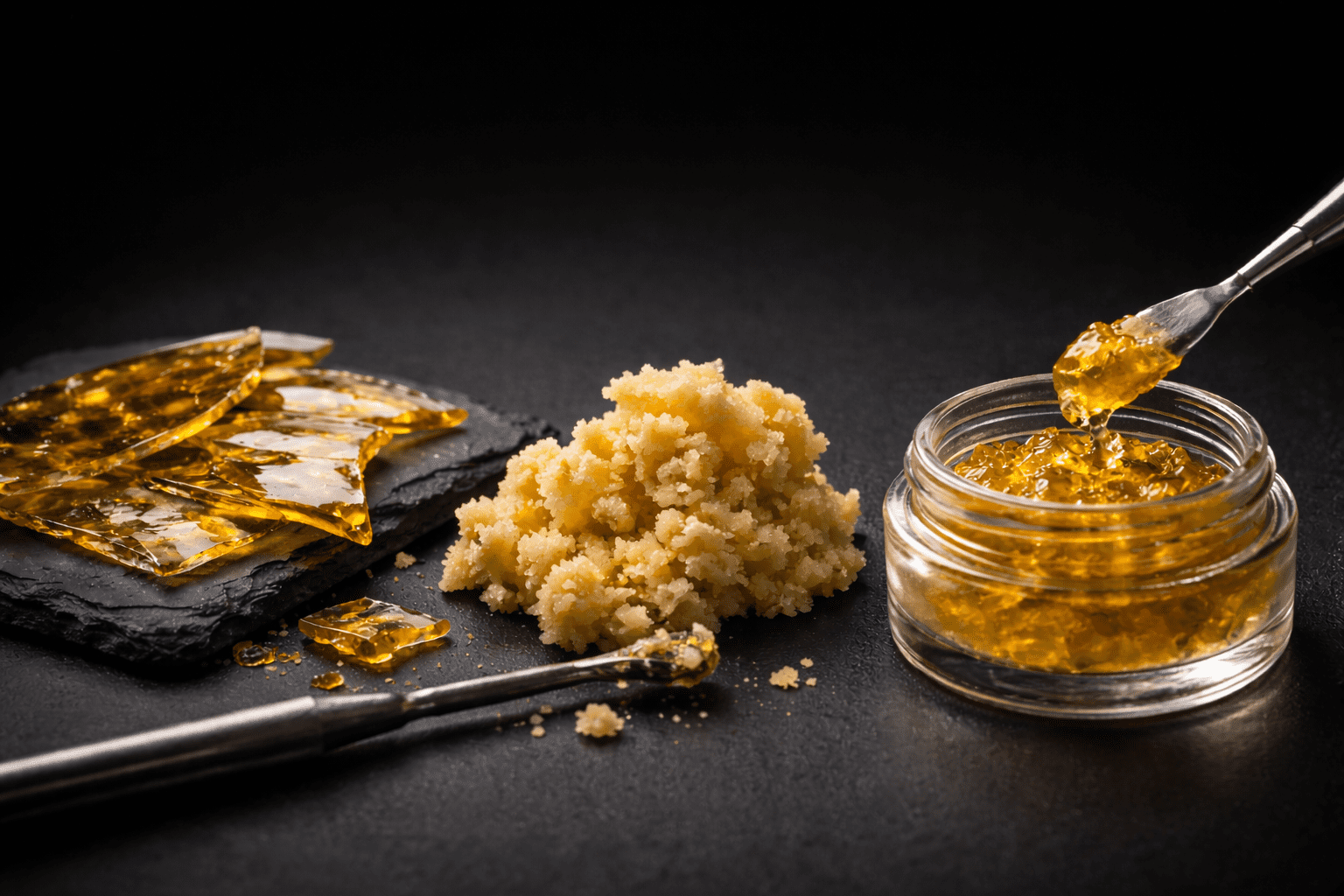
In some cases, pre-rolls also include cannabis concentrates for added potency, creating what’s known as an infused pre-roll.
What makes pre-rolls so popular is their standardization. Most are produced in consistent weights—such as 0.5g or 1g—which allows consumers to expect a predictable experience every time. For manufacturers, however, maintaining that consistency across large batches is where the real challenge begins.
If you compare production methods, the difference becomes clear quickly when analyzing hand-rolled vs machine-rolled joints. Hand-crafted joints can vary significantly, while machine-assisted production aims to eliminate variability. If you want a deeper breakdown, see hand rolled joints vs machine rolled joints and the science behind the perfect preroll.
Overview of the Pre Roll Manufacturing Process
At a glance, the process of making pre-rolls may seem straightforward. However, each stage introduces specific variables that can directly impact the quality, consistency, and performance of the final product.
The typical workflow includes several key steps, each of which must be carefully controlled:
- Preparing cannabis flower so that it is properly cured and ready for processing.
- Grinding the material to the correct consistency in order to ensure uniform airflow and burn performance.
- Loading and aligning pre-roll cones in trays to maintain consistency across production batches.
- Filling cones with ground flower using either manual or machine-assisted methods.
- Packing and shaping the material to achieve the ideal density for smooth airflow and structural stability.
- Closing the pre-roll using a consistent finishing method that secures the material inside.
- Infusing the pre-roll (optional) with concentrates to enhance potency and flavor.
- Packaging and labeling the final product to meet regulatory requirements and prepare it for retail.
While these steps may appear linear, they are deeply interconnected. For example, grind size directly affects how efficiently cones can be filled, which in turn influences airflow, burn consistency, and overall product quality.
The rest of this guide breaks each step down in detail so you can understand not just what happens during pre-roll production, but why each step plays a critical role in the final outcome.
Step 1: Preparing and Grinding Cannabis Flower
Everything starts with properly prepared cannabis flower. If the input material is inconsistent, no amount of machinery or process optimization will fix the final product.
Before grinding, cannabis must go through curing. This process stabilizes moisture levels and preserves key compounds like cannabinoids and terpenes. Poorly cured flower can result in harsh smoke, uneven burning, or even mold issues.
Once prepared, the flower is ground—but this is where many producers make their first major mistake.
Why grind size matters
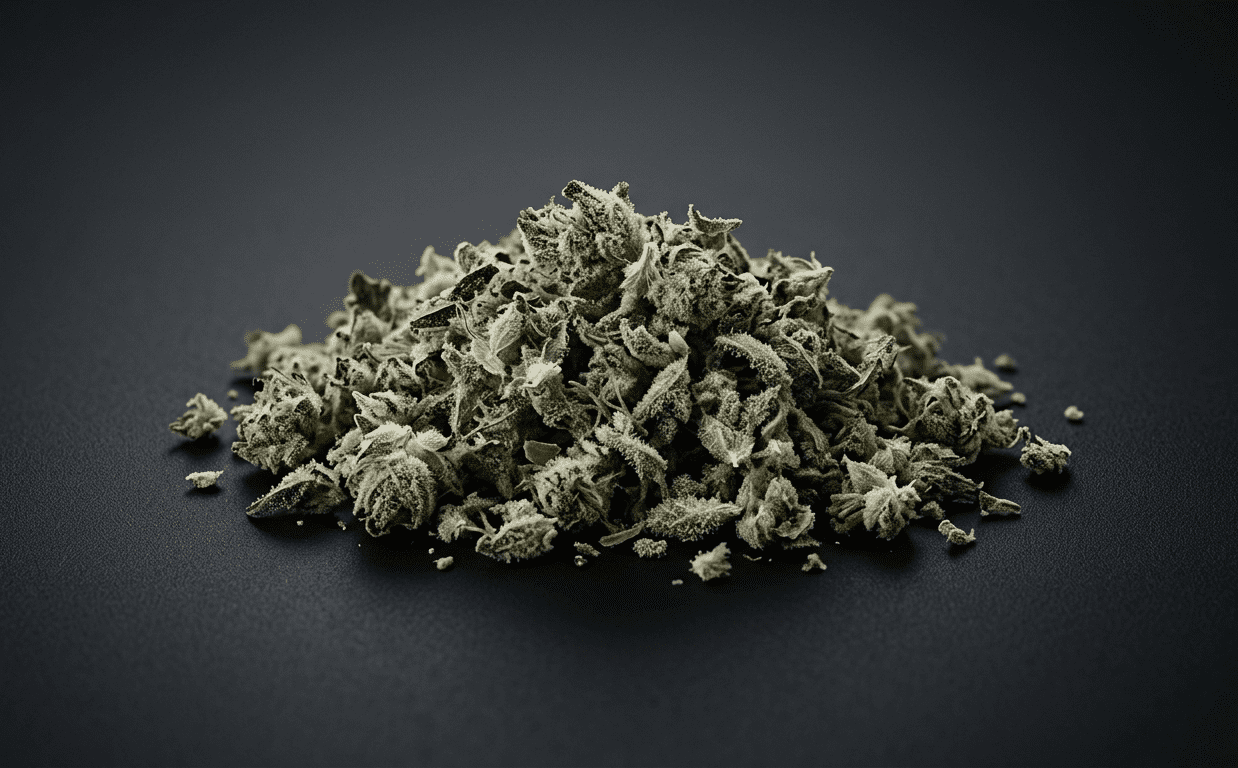
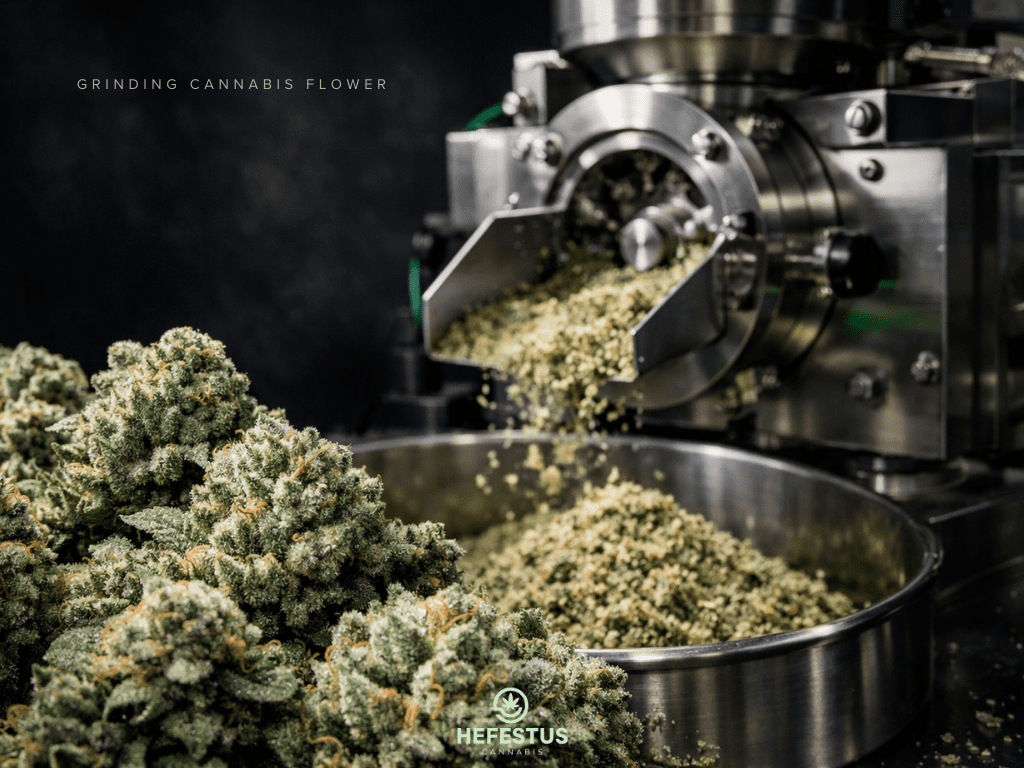
The goal of grinding cannabis is not simply to break down the flower—it is to create a uniform particle size distribution that allows for consistent airflow and combustion throughout the pre-roll.
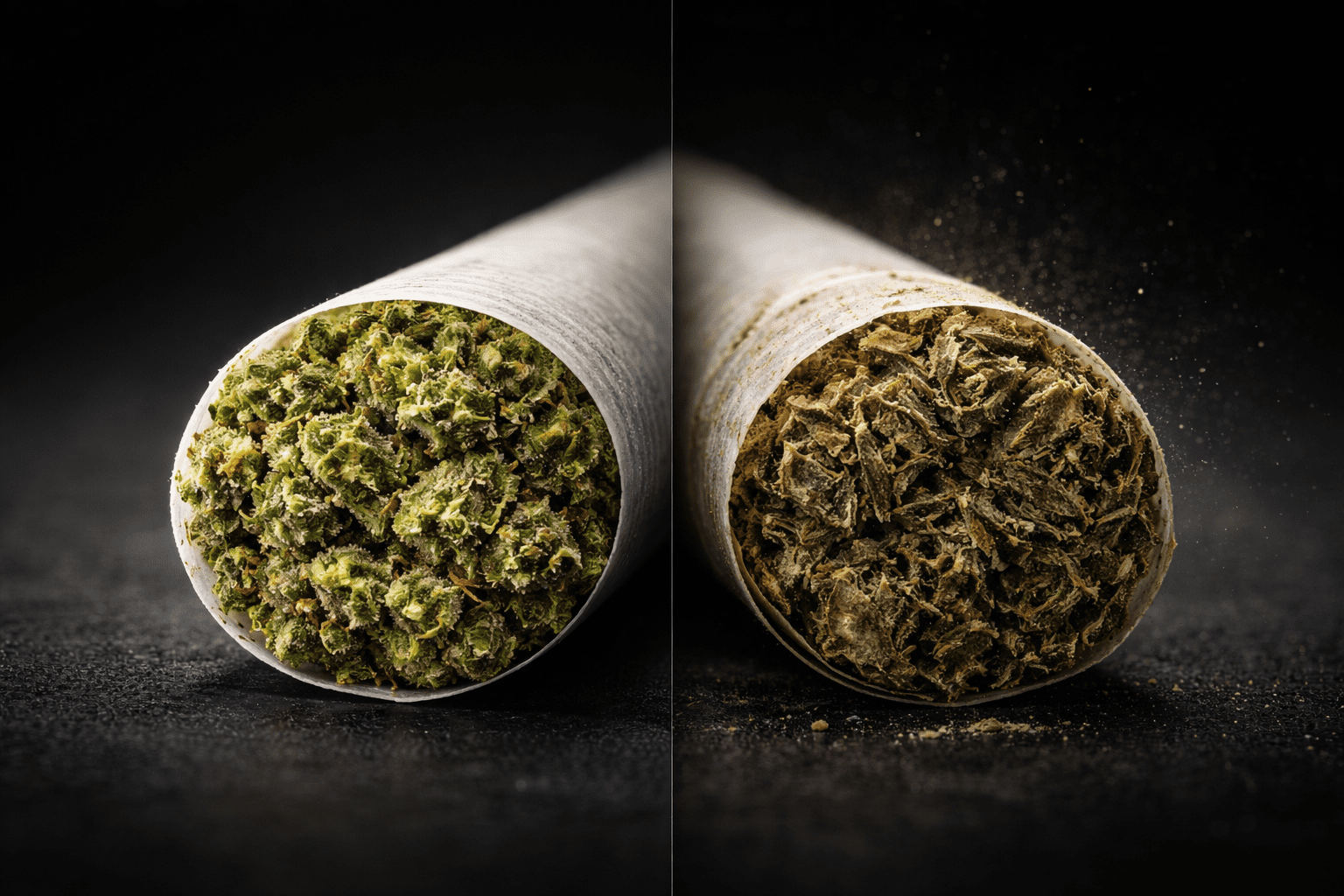
- If the grind is too fine, airflow becomes restricted, which leads to tight draws, overheating, and a harsher smoking experience.
- If the grind is too coarse, air pockets can form inside the pre-roll, resulting in uneven burning, canoeing, or inconsistent performance.
The ideal grind sits in the middle, where the material is consistent, well-structured, and optimized to support smooth airflow and an even burn from start to finish.
Industrial vs manual grinding
At scale, cannabis producers rely on specialized equipment rather than standard consumer grinders to achieve consistent results. Industrial grinders are specifically engineered to maintain quality while handling large volumes of material.
These machines are designed to:
- Maintain low operating temperatures to preserve delicate terpenes and cannabinoids that contribute to flavor and potency.
- Produce uniform particle sizes, which is essential for consistent filling, packing, and burn performance.
- Handle large volumes of cannabis efficiently, allowing producers to scale production without sacrificing quality.
If you want to explore this topic further, check out industrial grinder machines and the best grinder for pre rolls.
Step 2: Preparing Pre Roll Cones
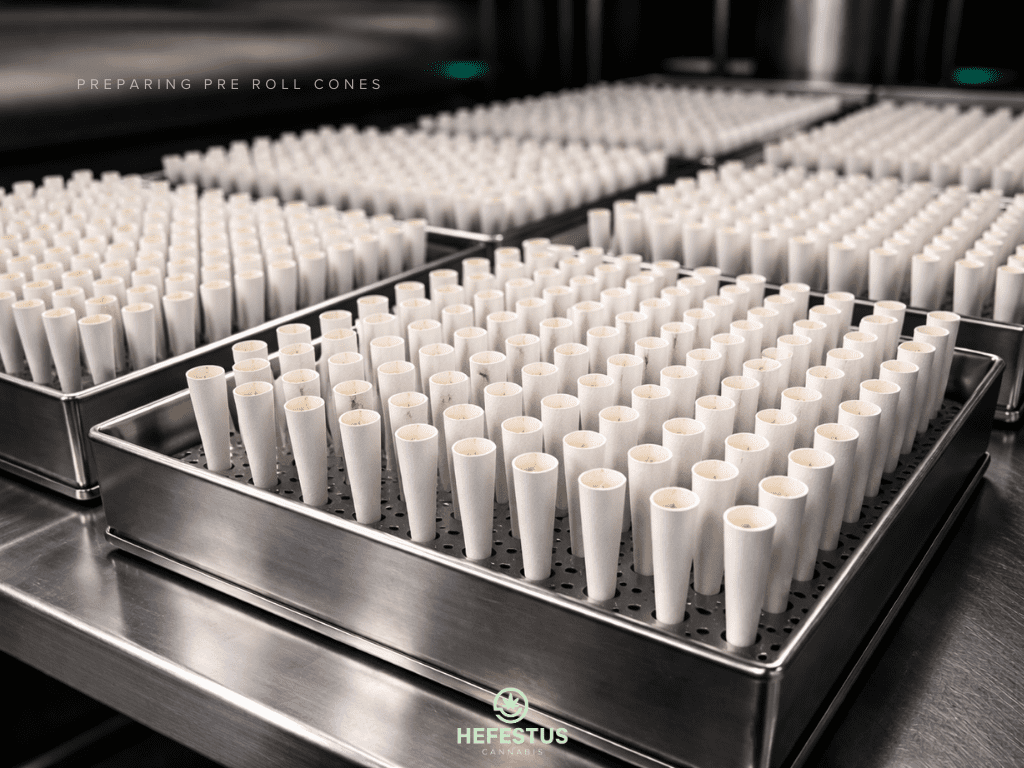
Modern pre-roll production relies heavily on pre-rolled cones, which come with built-in filter tips and standardized dimensions.
These cones are placed into trays before filling, with each cone positioned upright and aligned. This may seem like a minor step, but alignment plays a crucial role in ensuring consistent weight distribution and structural integrity.
In larger operations, trays are designed to hold dozens or even hundreds of cones at once, allowing for batch processing and increased efficiency.
Improper setup at this stage can lead to:
- Uneven filling
- Structural inconsistencies
- Production slowdowns
Step 3: Filling Pre Roll Cones
Once cones are prepared, the next step is filling them with ground cannabis. This can be done manually or with machines, depending on production scale.
Manual filling
Manual filling is typically used by small-scale or craft cannabis producers who prioritize hands-on control over the production process. This method involves placing cannabis flower into each cone by hand and carefully packing it using a tool to achieve the desired density.
While this approach allows for greater control and attention to detail, it also comes with several significant drawbacks that make it difficult to scale efficiently:
- Manual filling results in slower production speeds because each pre-roll must be individually filled and packed by hand.
- It leads to higher labor costs, as more workers are required to maintain even moderate production volumes.
- It introduces greater variability between units, since differences in technique and pressure can affect consistency from one pre-roll to another.
As a result, manual filling is best suited for low-volume or premium craft production, but it becomes increasingly inefficient as demand grows.
Machine filling
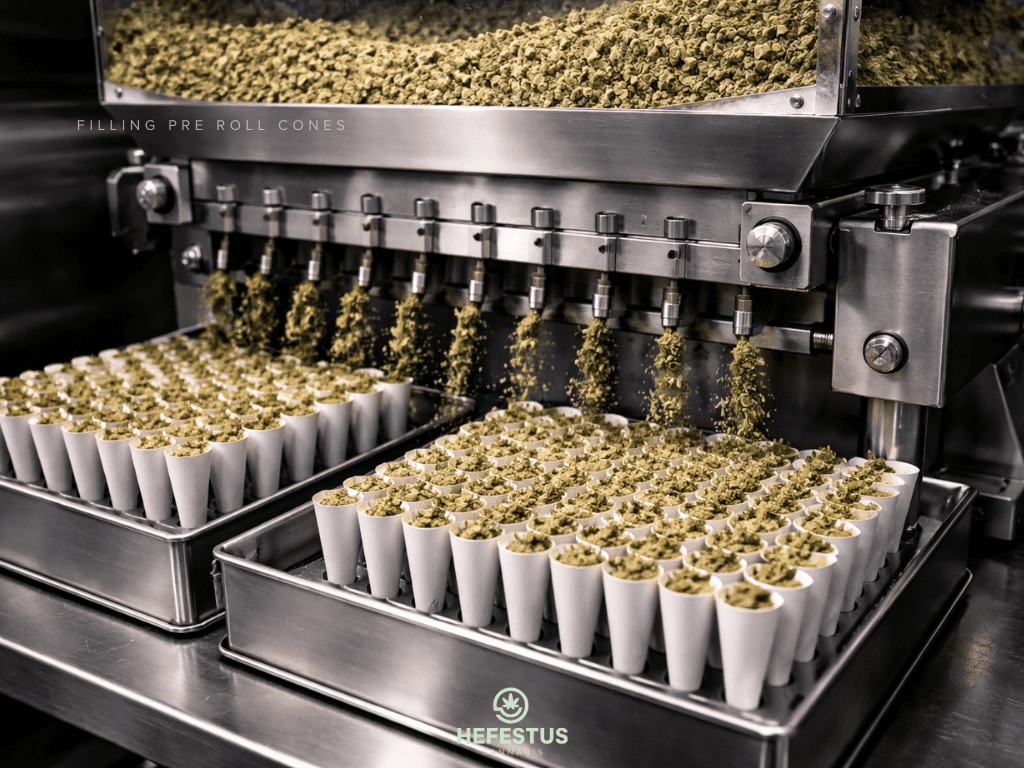
Commercial operations rely on machines to fill cones efficiently and consistently.
These systems usually include:
- A hopper to hold ground cannabis
- Distribution systems (often vibration-based)
- Trays that align cones for uniform filling
Machines help ensure that each pre-roll receives a consistent amount of material while minimizing air gaps and inconsistencies.
Advanced systems can produce thousands of pre-rolls per hour, making them essential for scaling operations—especially if you understand how to choose a pre-roll machine for your business.
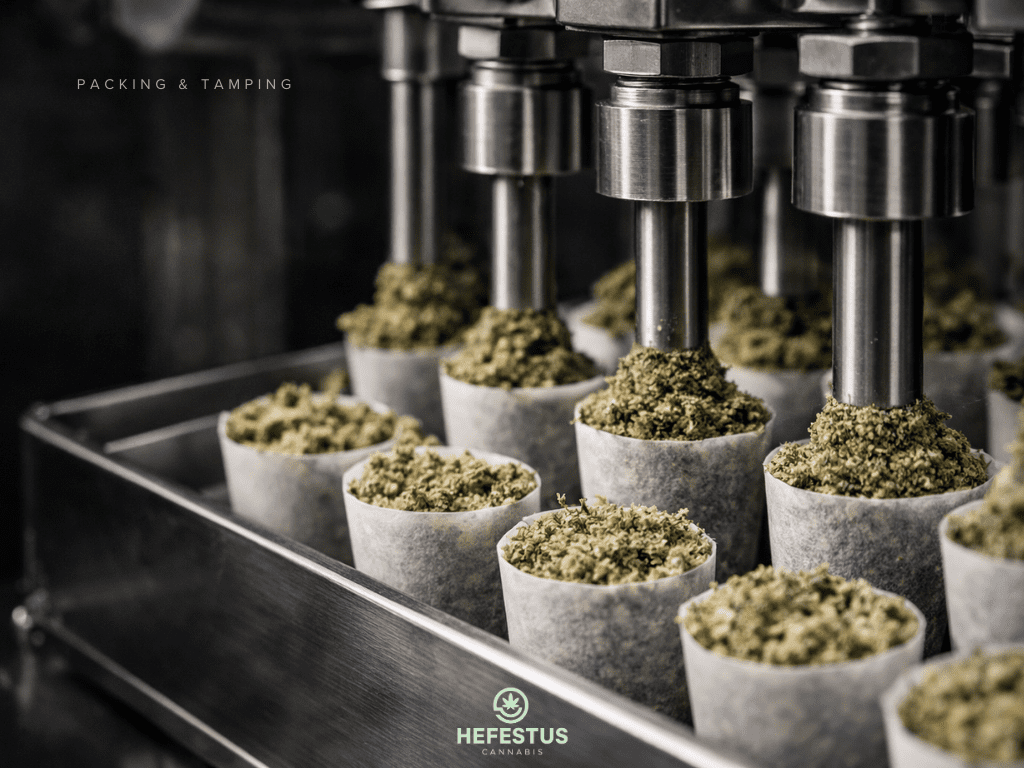
Step 4: Packing and Tamping
Filling a cone is only half of the process. The material inside must be carefully packed to achieve the correct density, which directly impacts the overall performance of the pre-roll.
This stage is where burn quality is truly defined, making it one of the most critical steps in the entire manufacturing process.
Why density matters
Packing determines how air flows through the pre-roll, which ultimately affects how evenly and smoothly it burns:
- Loose packing leads to faster burns and uneven combustion because excess air pockets allow the flame to travel inconsistently through the material.
- Tight packing restricts airflow and creates a harsher smoking experience, as the draw becomes more difficult and the material burns too slowly or unevenly.
The goal is to achieve a controlled, balanced density that allows for smooth airflow while still maintaining the structural stability of the pre-roll.
In advanced production systems, this level of consistency is achieved through calibrated tamping mechanisms that apply uniform pressure across all units, ensuring each pre-roll performs the same way.
To understand the deeper mechanics behind this process, revisit the science behind the perfect preroll.
Step 5: Closing the Pre Roll
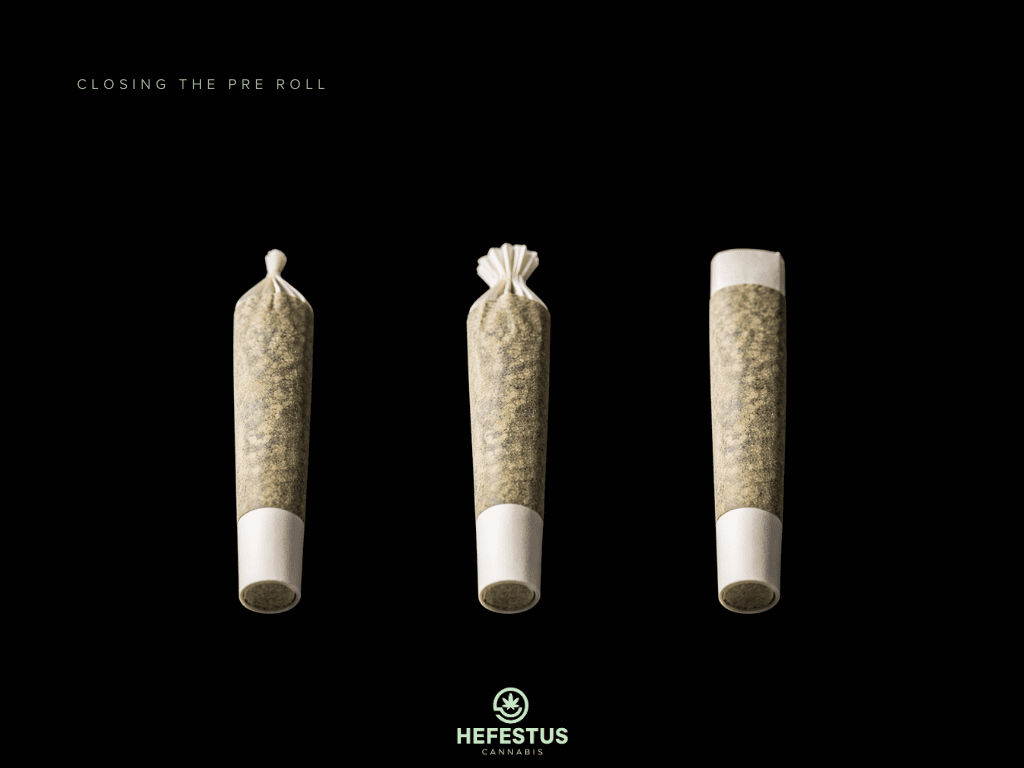
Once the pre-roll has been properly packed, it must be securely sealed to ensure the material stays in place and the product maintains its structure during handling and transport.
There are several common finishing styles used in pre-roll production, each offering different advantages in terms of appearance and functionality:
- Twist finish, which is simple, efficient, and widely used across the industry because it allows for quick sealing during high-volume production.
- Dutch crown, which involves folding the paper inward to create a cleaner, more refined look that is often associated with premium products.
- Flat fold, which is typically used for high-end presentation and provides a more compact and uniform finish.
While this step is often overlooked, it plays an important role in both product appearance and performance. The way a pre-roll is closed can influence airflow at the tip, as well as the overall perception of quality from the consumer.
How Infused Pre Rolls Are Made
Infused pre-rolls take the standard product and enhance it with cannabis concentrates, significantly increasing potency and often adding flavor complexity.
These products are one of the fastest-growing segments in the industry, driven by consumer demand for stronger and more differentiated experiences.
Common infusion methods
- Mixing concentrates with flower: The concentrate is blended directly into the ground material before filling.
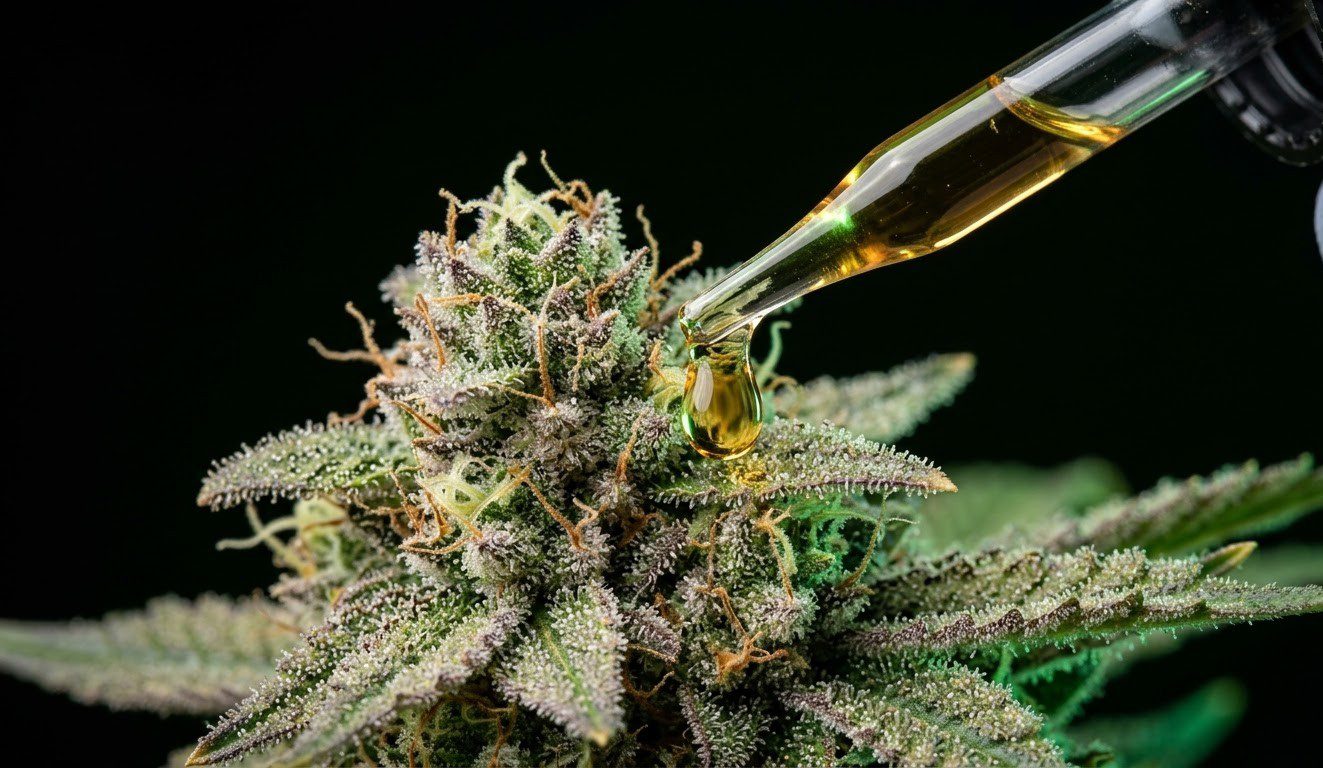
- Injection: Oil is injected into the center of the pre-roll, often creating a “hash hole” effect.
- External coating: The pre-roll is coated with oil and rolled in kief for added potency and visual appeal.
Each method comes with trade-offs. For example, external coating looks attractive but can burn less efficiently, while internal mixing requires precise distribution to avoid inconsistency.
Packaging and Compliance
After production, pre-rolls must be packaged in a way that meets strict regulatory standards to ensure safety, transparency, and legal compliance in the market where they are sold.
Key requirements typically include the following elements, all of which must be clearly addressed before a product can reach retail shelves:
- Child-resistant packaging is required to prevent accidental access and ensure consumer safety, especially in households with children.
- Accurate cannabinoid labeling must be included so consumers can clearly understand the THC, CBD, and overall potency of the product.
- Batch and testing information is necessary to provide traceability and confirm that the product has passed third-party laboratory testing.
- Compliance with local regulations is essential, as packaging laws can vary significantly depending on the state or country.
Packaging formats can vary widely depending on brand positioning, product type, and target market, with some of the most common options including:
- Pop-top tubes, which are widely used due to their convenience, durability, and cost-effectiveness.
- Glass tubes for premium products, which allow for better presentation and can enhance perceived product quality.
- Multi-pack boxes, which are increasingly popular for bundled products and higher-volume consumer offerings.
Beyond compliance, packaging plays a critical role in branding and product perception. The way a pre-roll is presented can influence purchasing decisions, communicate quality, and differentiate a product in a highly competitive market.
Why Automation Is Important in Pre Roll Manufacturing
As production scales, manual processes quickly become a bottleneck.
The main challenges producers face include:
- Maintaining consistent quality across batches
- Managing labor costs
- Meeting increasing demand
Automation addresses these challenges by standardizing the process.
Benefits of automation
- Consistent weight and density
- Higher production speeds
- Reduced labor dependency
- Improved product uniformity
A common tipping point occurs around 50,000 pre-rolls per month, where automation becomes not just beneficial, but necessary.
Final Thoughts
So, how are pre rolls made?
At a basic level, the process is simple: grind, fill, pack, close, and package. But at a professional level, it becomes a system of tightly controlled variables where every decision affects the final product.
The difference between a low-quality pre-roll and a premium one rarely comes down to the strain alone. Instead, it’s determined by how well the production process is controlled—from particle size and density to airflow and consistency.
Manufacturers who understand this don’t just produce pre-rolls—they build repeatable systems that deliver the same experience every time.
If you’re serious about improving your pre-roll production or entering the market, start by mastering the process—not just the product.