Best Packaging Formats for Refrigerated Salsa
When it comes to refrigerated salsa, choosing the right packaging format is just as important as the recipe itself. Packaging affects product freshness, shelf life, convenience, and even consumer perception.
For food manufacturers and processors looking to optimize their salsa production, using a reliable salsa packaging machine and understanding the benefits and considerations of different formats, cups, trays, and tubs, is essential.
1. Cups: Single-Serve Convenience
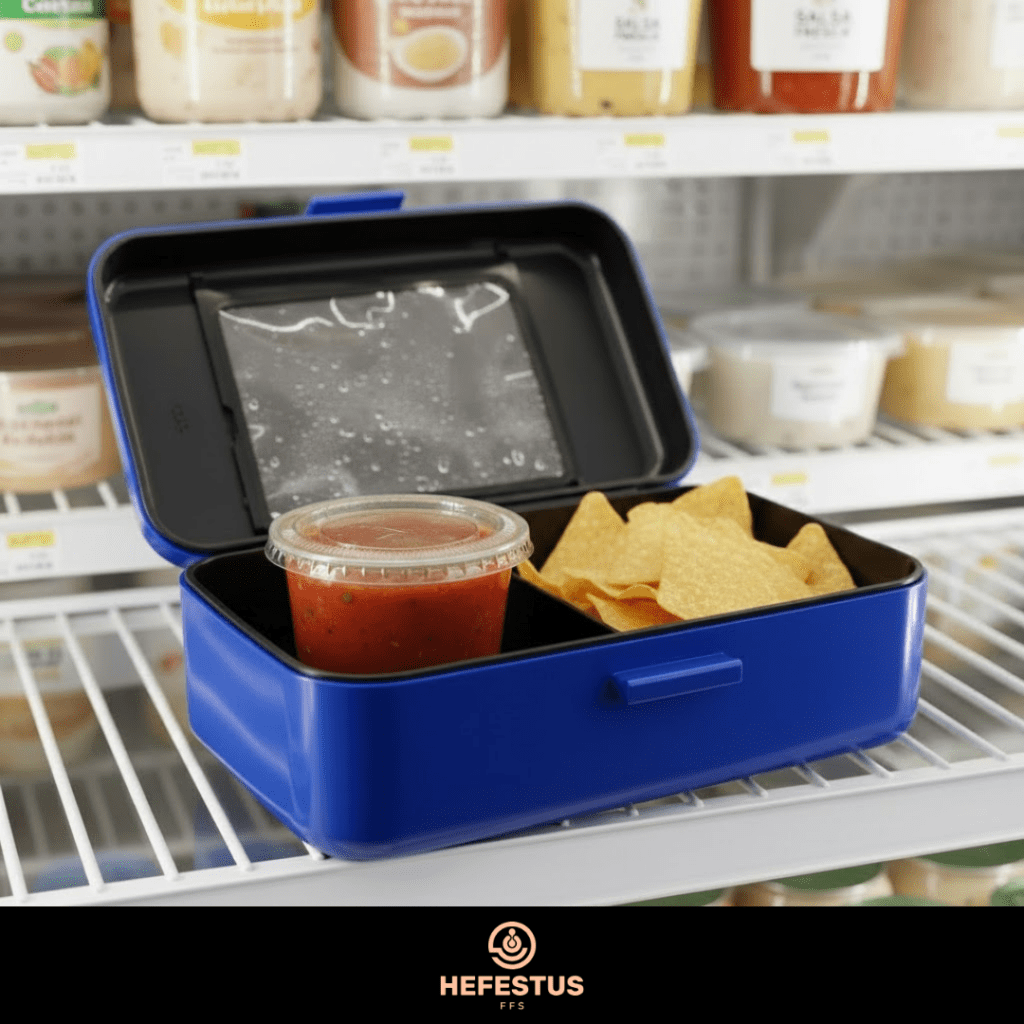
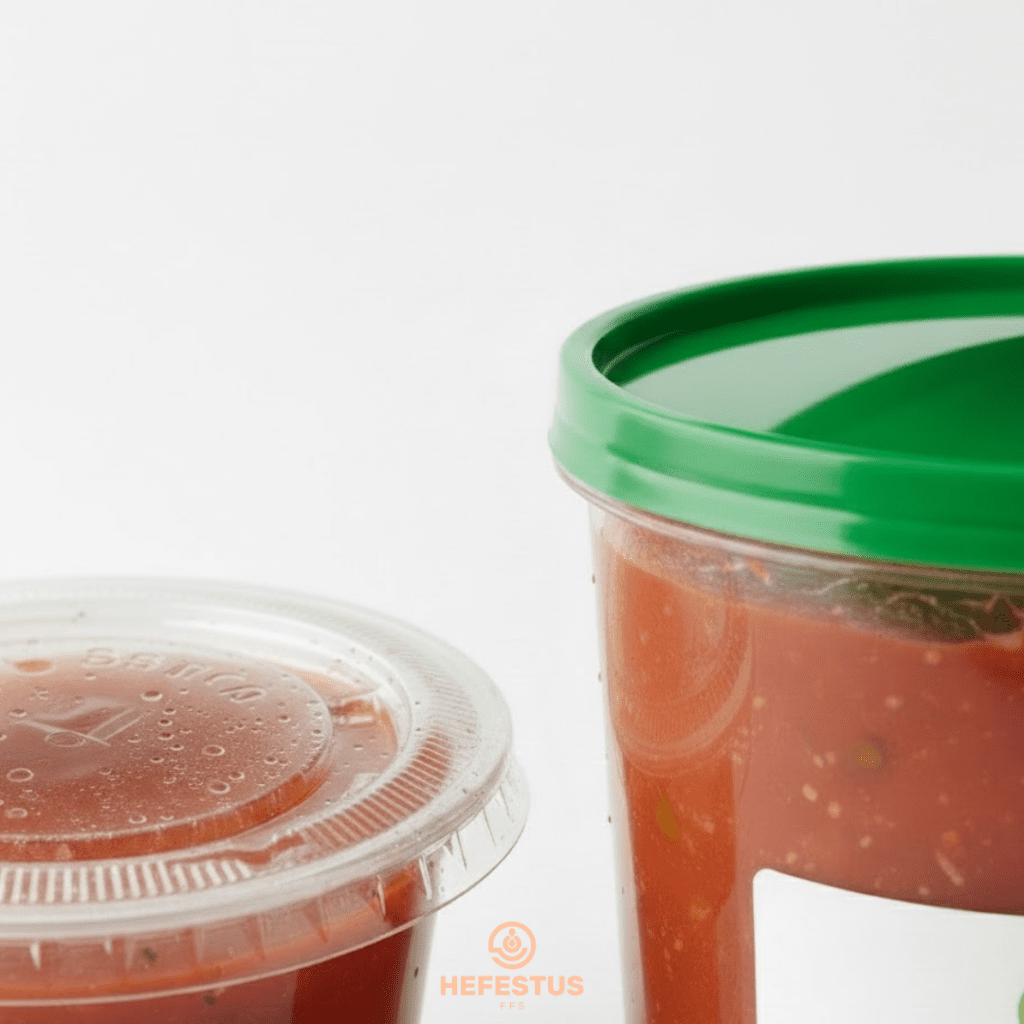
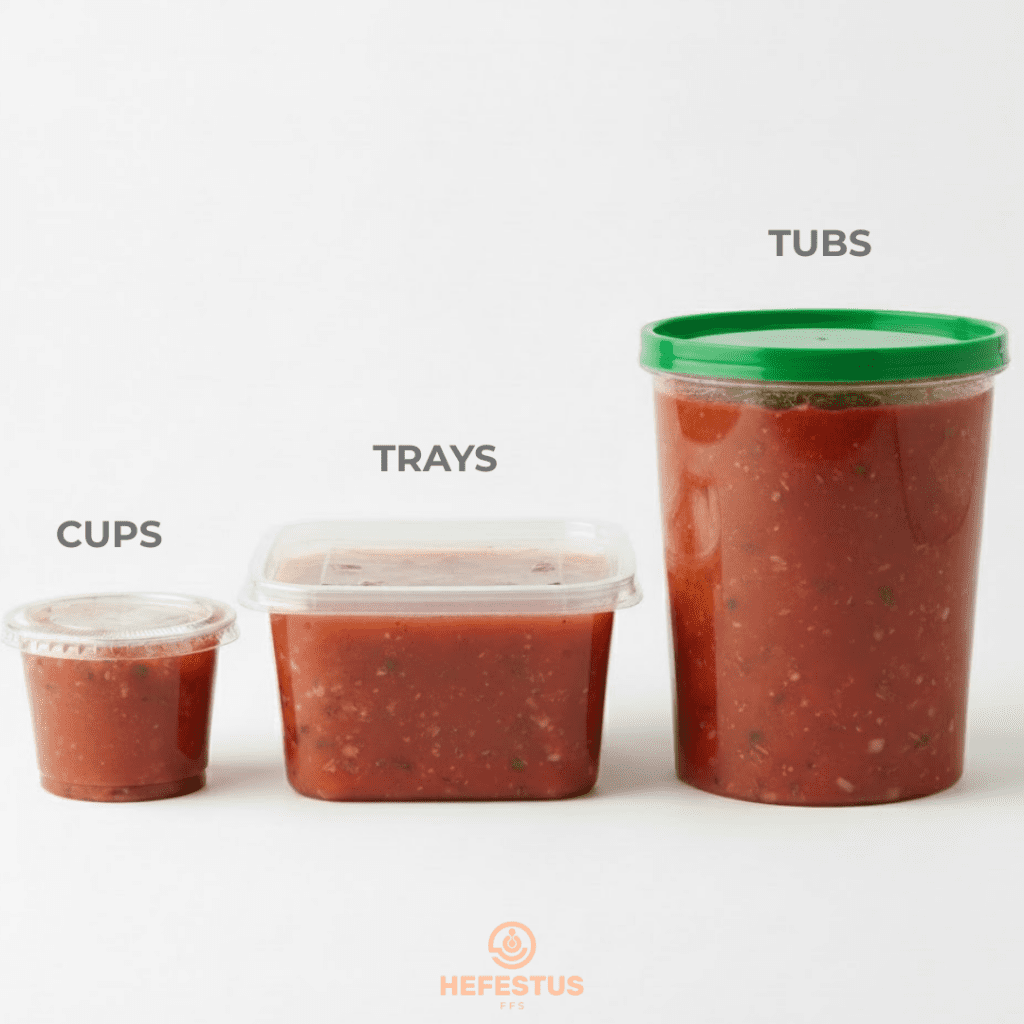
Cups are one of the most popular packaging formats for refrigerated salsa, especially for on-the-go consumption or portion-controlled servings. They are typically made from plastic, with sealed lids or peel-off film for freshness.
Benefits of Cups
- Portion control: Cups are ideal for single servings, which helps reduce waste and caters to health-conscious consumers.
- Portability: Lightweight and easy to carry, cups are perfect for lunchboxes, picnics, and convenience stores.
- Branding opportunities: The cup surface allows for attractive labeling and branding, helping the product stand out on retail shelves.
Considerations
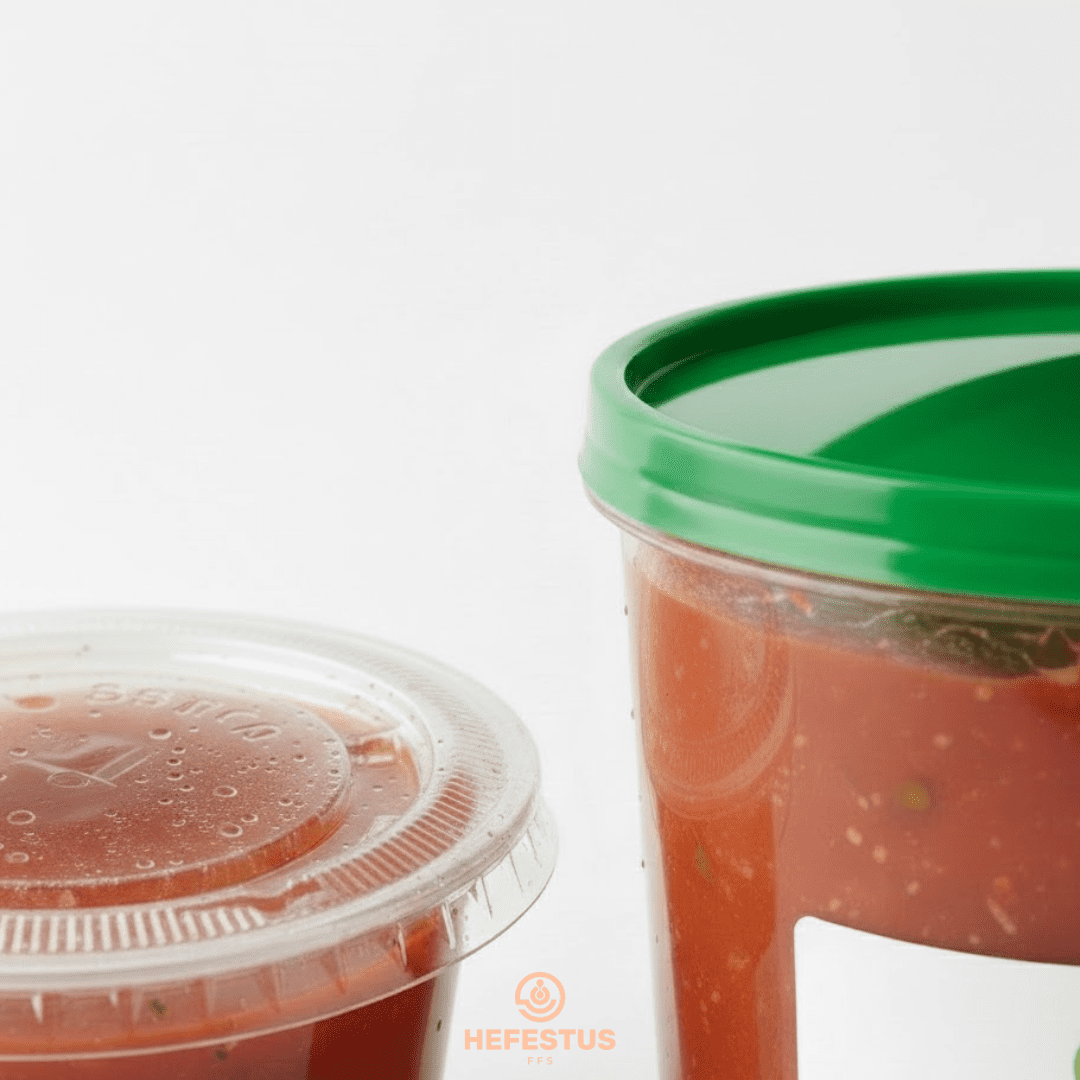
- Limited volume: Cups are generally smaller, making them less suitable for families or bulk consumption.
- Material costs: Smaller packaging often increases per-unit packaging costs.
Cups are best suited for salsa varieties that are often consumed as dips or condiments, especially when portion size and convenience are top priorities.
2. Trays: Ideal for Multi-Serve Portions
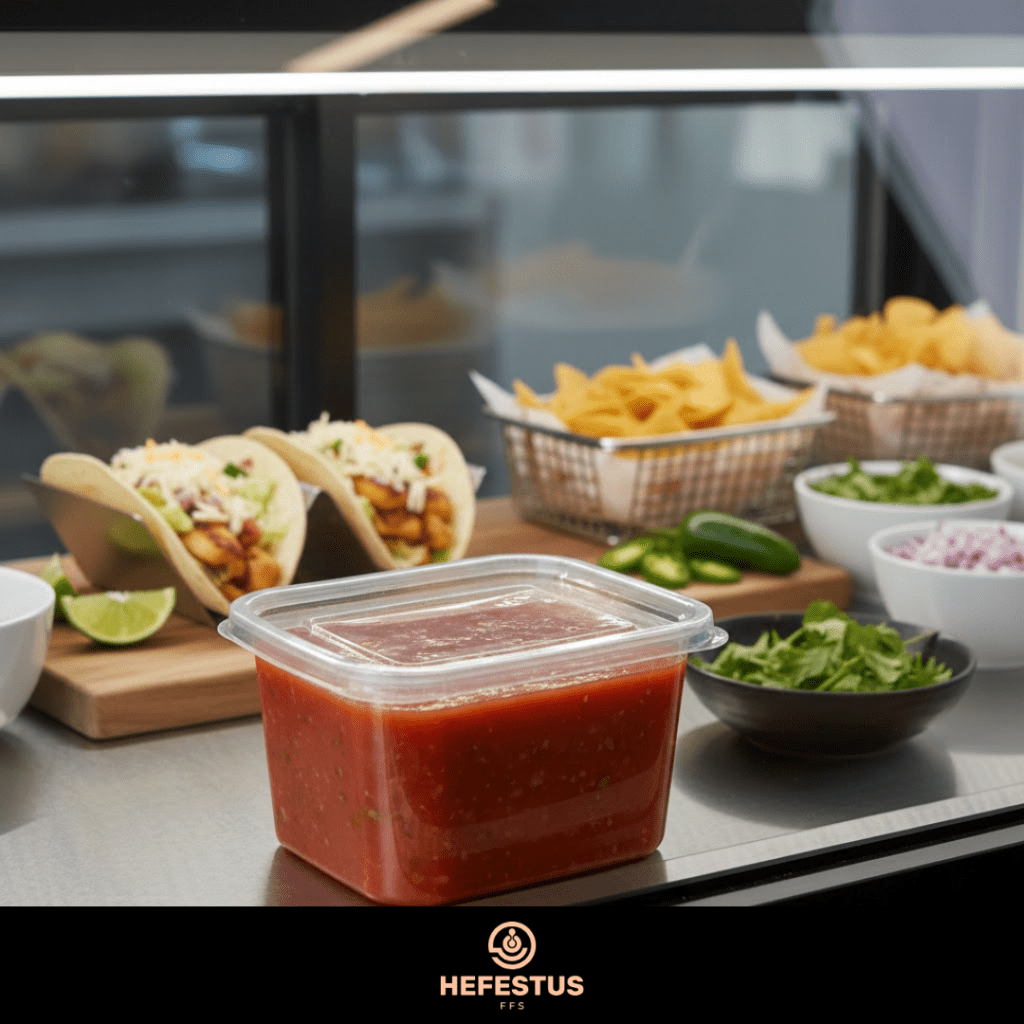
Trays, often made from plastic or recyclable materials, provide a larger format than cups while still maintaining individual portioning. They are commonly used in food service, retail deli counters, and ready-to-eat meal kits.
Benefits of Trays
- Multi-Serve capacity: Trays are larger than cups, making them ideal for sharing, meal prep, or family-sized portions.
- Stackable design: Their uniform shape allows for efficient stacking during storage and transportation.
- Controlled environment: Sealed trays help maintain freshness, texture, and flavor during refrigerated storage.
Considerations
- Shelf space: Trays require more space on shelves than cups, which may affect retail display options.
- Convenience: While ideal for multiple servings, they are less convenient for single-use applications.
Trays strike a balance between convenience and volume, offering an appealing solution for both consumers and retailers who want a versatile, ready-to-eat product.
3. Tubs: Bulk and Family-Friendly Options
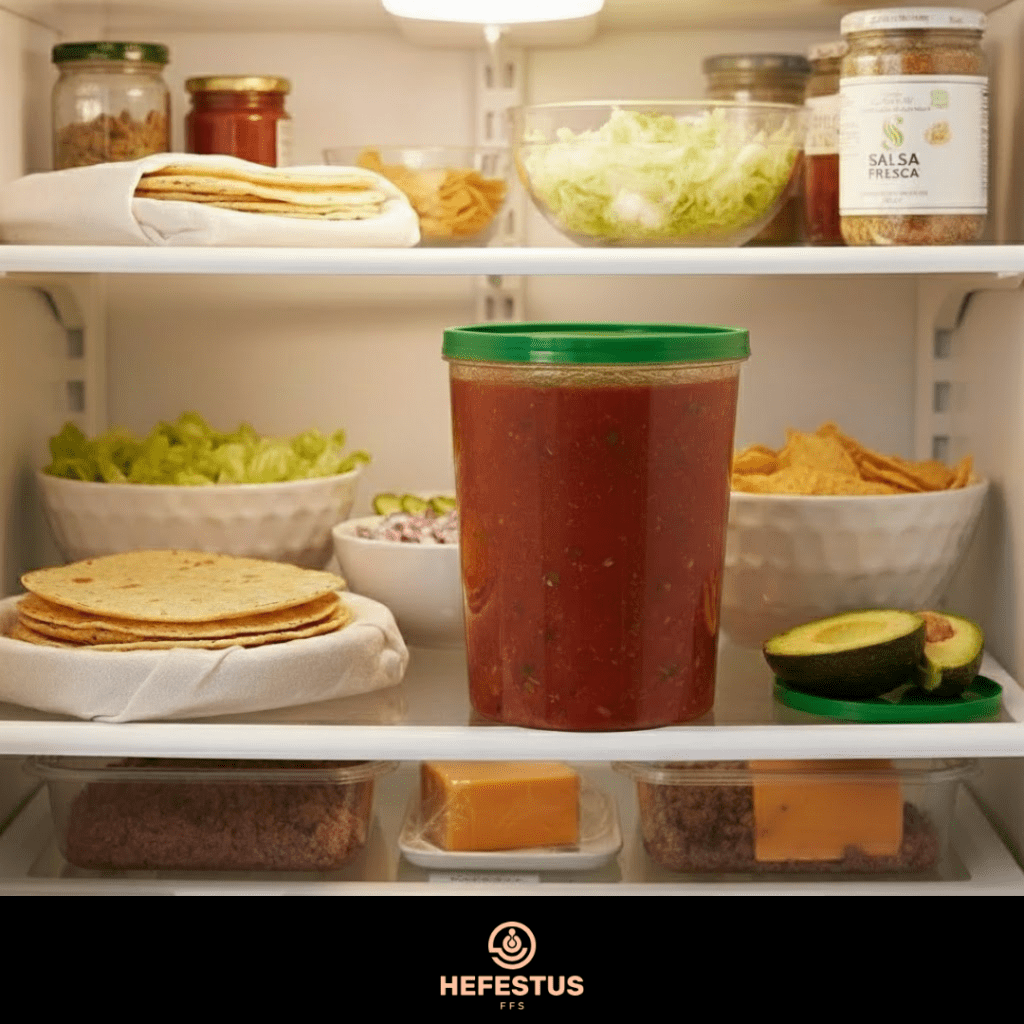
Tubs are typically larger, ranging from half a pound to several pounds, and are designed for family consumption or food service use. They often feature resealable lids, which help maintain product quality over multiple uses.
Benefits of Tubs
- Bulk packaging: Tubs allow consumers to purchase larger quantities at once, often reducing per-unit cost.
- Resealable for freshness: Many tubs include snap-on lids that help preserve freshness after opening.
- Cost-effective: Larger volumes mean lower packaging costs per ounce compared to cups or trays.
Considerations
- Less portable: Tubs are less convenient for single servings or on-the-go consumption.
- Storage requirements: They require more space in refrigerators, which could be a drawback for some consumers.
Tubs are particularly suited for families, catering, or restaurant use where larger volumes are needed, and the focus is on value and resealability.
Key Factors in Choosing the Right Packaging Format
When selecting the ideal packaging format for refrigerated salsa, several factors should guide your decision:
Target Audience
Single-serve cups are perfect for busy consumers or snack packs, while trays and tubs cater to families or food service needs. Understanding who will be buying and using your salsa helps determine the most practical and appealing packaging format. By aligning the format with your audience’s lifestyle, you increase the likelihood of repeat purchases and brand loyalty.
Shelf Life and Freshness
Packaging must maintain product quality during refrigeration, with airtight seals to prevent spoilage. Different formats can impact how long your salsa stays fresh, so it’s important to select materials and sealing methods that preserve taste, texture, and color. Properly maintaining freshness not only ensures safety but also enhances consumer trust in your product.
Cost Considerations
Packaging costs vary by format, so balancing consumer convenience with manufacturing efficiency is critical. Smaller portions may be more expensive per unit, while bulk formats can reduce costs but require more storage and distribution planning. Evaluating these factors helps optimize both profitability and customer satisfaction.
Branding and Marketing
The format should support your brand’s image and allow for effective labeling, promotions, and differentiation on store shelves. Certain packaging formats offer more surface area or visibility, which can be leveraged for creative designs, nutritional information, or promotional messaging. Strong visual appeal increases the chances of catching consumers’ attention in a competitive refrigerated section.
Sustainability
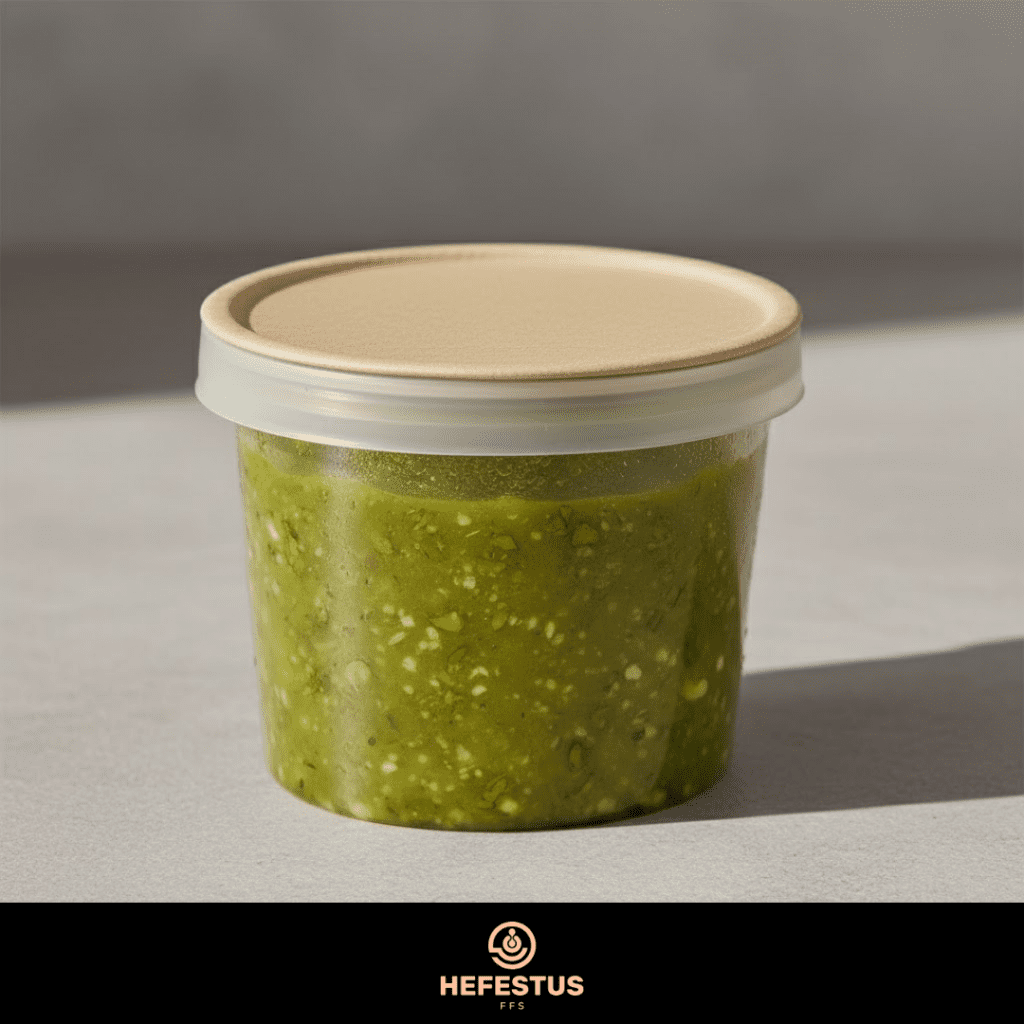
Increasingly, consumers prefer eco-friendly packaging, so consider recyclable or biodegradable materials where possible. Sustainable packaging can enhance brand perception and appeal to environmentally conscious buyers, while also potentially reducing regulatory and disposal challenges. Incorporating sustainability into your packaging strategy can become a selling point that differentiates your salsa in the market.
Conclusion
Choosing the right packaging format for refrigerated salsa is more than just a practical decision, it influences consumer satisfaction, product visibility, and overall sales. Cups offer convenience and portion control, trays provide versatility and shareability, and tubs deliver value and resealability.
By evaluating your target audience, product goals, and cost considerations, you can select a format that enhances both your salsa’s appeal and your production efficiency. Whether you’re producing salsa for retail, food service, or bulk consumption, investing in the right packaging solution ensures your product reaches consumers fresh, flavorful, and ready to enjoy.