How to Choose a Pre-Roll Machine for Your Cannabis Business [Complete Guide]

With so many pre-roll machines available today, choosing the right one can quickly become confusing. It doesn’t take long to figure out that every manufacturer makes different performance claims, often with unclear specs, making comparisons nearly impossible.
Even more, the right machine for your operation will be unique to your workflows and business model. The proper choice ultimately depends on your unique volume, desired automation level, and product mix.
To help sort out the features you’ll need the most and the right machine for you, we’ve compiled the ultimate guide. Here, we’ll break down everything you need to know to choose wisely, including volume tiers, key features, pitfalls, and how to match a machine to your operation.
Keep reading to walk away with the confidence to choose a pre-roll machine suited to your current or future operation.
Start With Your Production Volume
When choosing a pre-roll machine, it’s wise to start your search with your current production volume. This will narrow your options in each category and ensure you start with the right-sized machine for your operation.
Small Volume (50-500/day)
If you’re a craft producer or produce at a small volume of 50-500 pre-rolls a day, you might start with manual tools or table-top semi-automatic pre-roll machines. These machines still require multiple operators to run, and typically automate just one part of the process.
While small-volume equipment is less expensive, you’ll have to factor in employee costs in the big-picture equation. In this category, the most popular small-volume pre-roll machine is the Futurola Knockbox.
Mid-Volume (1,000-2,000+/hr)
If you’re looking to scale production to 1,000-2,000 pre-rolls per hour, then mid-volume equipment might work best for your operation. In this category, you’ll find semi-automatic tools, or mid-range automation, that offer higher consistency than manual tools, but at a price.
While mid-volume machines increase your volume, many limit SKU flexibility, ultimately capping your operation’s ability to scale into new product categories. Here, the most popular manufacturers include King Kone and STMCanna.
High Volume (2,000-5,000/hour daily output)
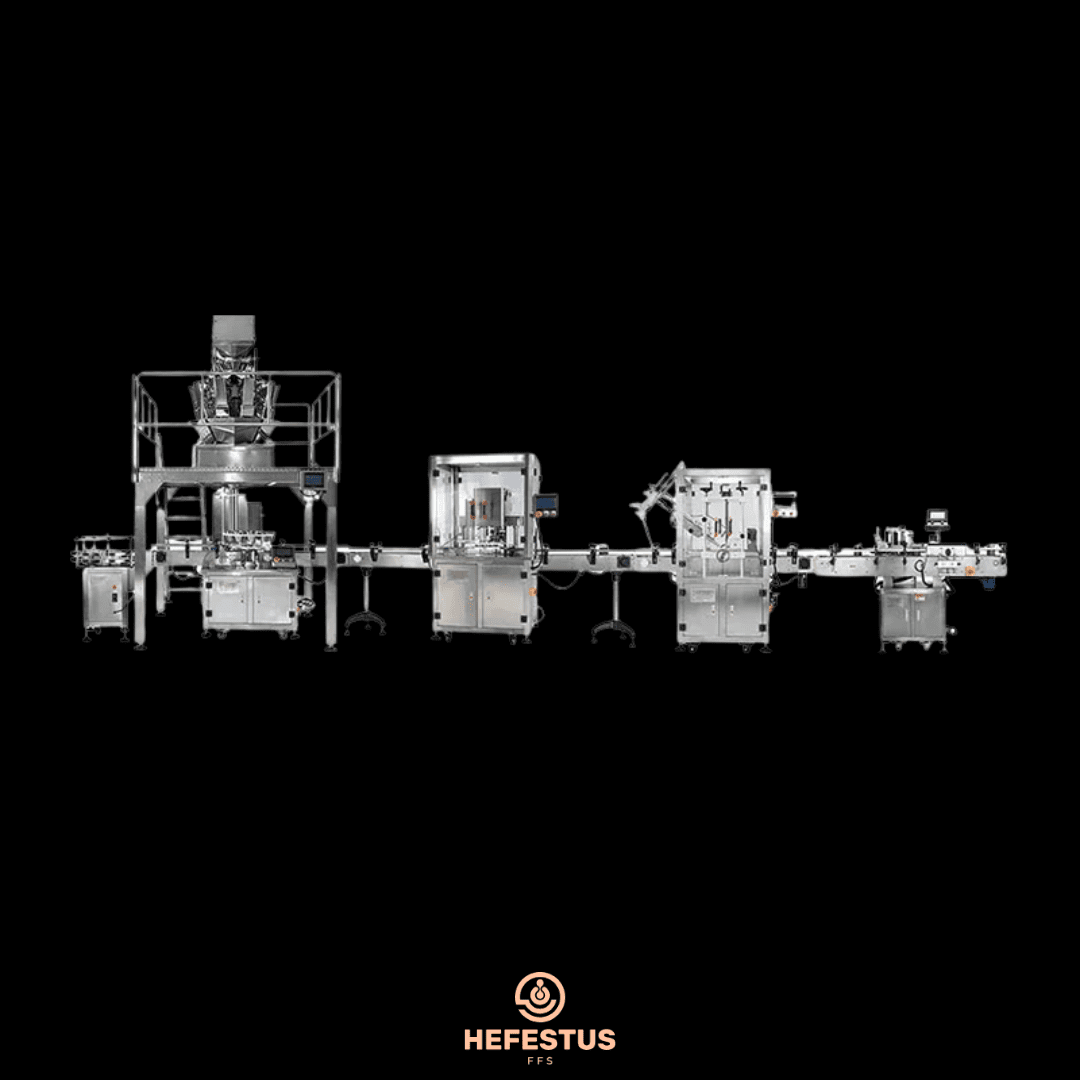
For high-volume operations with high demand, fully automated systems manage the entire workflow from filling through packaging and deliver the output required to keep pace. These machines produce up to 5,000 pre-rolls per hour or per day, usually with a single operator.
With advanced automation, operations benefit from lower labor costs and highly consistent end products, which reduce waste and help maintain high yields. In this category, the most sought-after high-volume equipment includes the Hefestus AuraX and APEHEX.
Choose Your Level of Automation
The next factor to consider when choosing a pre-roll machine is the level of automation that’ll best support your operation. For these categories, you’ll have to consider the steps that the machine will handle, and what’ll remain as manual labor in your workflow.
For instance, manual or hand-fed systems automate the filling part of the process, but you’ll still need to finish the joint (twisting or dutch-fold), weigh, and perform quality assurance, before the full SKU workflow is complete.
Keep these hidden labor costs in mind when considering manual or semi-auto workflows.
Manual/Hand-Fed Systems
Manual or hand-fed systems have the lowest entry cost, at $400-$2,500, but are only good for fewer than 500 joints per day, ultimately limiting your ability to scale.
While sufficient for craft producers or small batch operators who are looking to speed up just one step in the process, you’ll still experience high labor costs and low consistency.
Semi-Automatic
The next level of automation to consider is semi-automatic equipment, which automates additional workflow steps beyond manual or hand-fed machines. This supports the production of up to 2,000 pre-rolls per day, increasing overall output for mid-volume operations.
However, many of these tools are considered “semi-automatic” as you’ll still be on the hook for finishing each SKU and performing quality assurance by hand. So, you’ll still have labor costs to account for and the machines will cost more upfront.
Fully Automatic
Finally, fully automatic machines are the most advanced automation tools for increasing volume and reducing labor to a single operator. These machines easily produce up to 2,500+ pre-rolls per hour, making them ideal for high-volume or quickly scaling operations.
Automating each step of the workflow from filling to folding, weighing, and packaging results in one of the lowest costs per joint of all of the machine options. You’ll experience the greatest reduction in labor costs here, enabling you to scale the best.
Consider The Type of Pre-Rolls You Plan to Make
Next, you’ll need to consider the type of pre-rolls a machine can produce. While some machines offer production versatility, others limit you to specific sizes, paper types (e.g., cones or blunts), and infused materials.
In today’s competitive market, SKU flexibility future-proofs your operation. The pre-roll product category has consistent consumer demand for various SKUs, including the most commonly found and sought-after types below:
- Various cone sizes, i.e., 70mm, 84mm, 98mm, 109mm
- Straight rolls vs cones
- Dogwalkers vs 1g
- Infused options (kief, resin, diamonds, distillate)
- Blunts/tubes
For example, if you select a machine that only handles straight-rolls, you’ll limit your operation’s future growth and expansion. So, if your long-term plan is to produce only straight-roll type SKUs, this is a machine to consider.
If you plan to scale exponentially across pre-roll product SKUs, it’s wise to select a machine that offers versatility today, rather than having to upgrade or changeover equipment later.
Key Machine Features That Matter
The next step in the buying decision process is reviewing pre-roll machine features that’ll affect your day-to-day workflows and product quality. By identifying the features your operation can benefit from most, you can narrow down the pre-roll machine options available.
Infused Material Handling
As infused pre-roll popularity grows, so do the challenges for operators attempting to handle the sticky material carefully and efficiently. Due to the resinous nature of infused material and pre-rolls, it tends to jam equipment or create bottlenecks in the workflow.
When vetting machines, don’t just take the manufacturer’s word that the equipment can handle infused material without clogging. Seek out referrals or request a demo, online or in-person, to watch it in action for yourself.
Consistency & Density Control
Another essential factor to scaling is customer loyalty and retention. To ensure consumers return as repeat purchasers, a smooth and even burn is essential.
This requires consistent repeatability, which only pre-roll machines can offer, and only a few do so well. To avoid canoeing, the equipment must prioritize even airflow when packing and offer adjustable pack density for various strains, grind sizes, and infused material.
Filling Method
One key factor that’ll affect the filling and pack density is the pre-roll machine’s filling method. Industry-wide, vibration-only systems have a bad reputation for creating uneven density and weak spots in the pre-roll, which can affect its burn.
A controlled filling method that uses tamping, rotational movement, or vertical compression ensures consistent pack integrity from tip to twist or fold. This approach delivers uniform airflow, stronger structure, and more reliable burn performance at scale.
Changeover Speed
Changeover speed or capabilities is another key factor that’ll affect your operation’s workflow and efficiency. Be sure to review that time to switch sizes or adjust settings to accommodate various strains or SKU types.
This is one feature that doesn’t affect the consumer’s experience, but greatly affects your ability to meet volume expectations and demand.
Ease of Cleaning & Maintenance
Cleaning and maintenance are often overlooked features that not only affect workflows and efficiency but can also incur costs over time. You’ll want a machine that’s easy to clean between batches and to maintain over time.
To minimize downtime and labor costs, look for machines with tool-free disassembly, modular parts, and stainless components for the utmost ease in this category.
Support & Training
Lastly, one factor that varies greatly from one pre-roll machine manufacturer to another is the support and training you receive during installation and post-installation. Review whether the equipment includes on-site installation or if you’ll be responsible for building it yourself.
Beyond installation, some manufacturers, like Hefestus, will offer SOP development with their pre-roll machines, ensuring your operation gets up and running as quickly as possible. Finally, always inquire about how quickly replacement parts are sent to keep your machine running.
Understand the Total Cost of Ownership
When shopping for pre-roll machines, you may experience sticker shock at the prices. That’s when you’ll need to understand the total cost of ownership to make the best selection.
In the short term, semi-automatic machines may seem the most cost-effective option. However, over time, they can become even more costly, thanks to the labor required to run them, rejects and waste, and downtime incurred.
All in all, it’s not just the upfront price you’ll be considering. You’ll need to think of one-time and long-term costs that go into owning the equipment, such as:
- Freight, import, insurance
- Installation + calibration
- Training days + SOP creation
- Maintenance & wear parts
- Consumables (papers, trays, cones)
- Downtime risk cost
- Resale value
To scale sustainably, it’s wise to choose a machine with predictable costs for future planning. Looking beyond the sticker price helps operators compare machines on long-term performance, reliability, and true operating cost.
This way, your investment supports growth instead of creating unexpected bottlenecks or margin erosion down the line.
When to Upgrade Your Pre-Roll Machine
Still unsure if it’s time to upgrade your existing pre-roll machine, or add automation to your workflows? Here are a few tell-tale signs your operation is ready to upgrade.
Labor Costs Are Rising
If you’re having to hire more than 3-4 rollers at a time to keep up with demand, you’ve likely hit your manual labor limits. The same thing goes for semi-automated tools. If you’re having to hire more labor to run the equipment, it’s time to start exploring automated machines.
Demand is Growing
If you’re regularly missing deadlines or frequently experiencing production backlogs or slowdowns, it’s time to consider automation to keep your operations afloat, with the added ability to scale.
Quality Inconsistencies Are Occurring
If consumer complaints are rising, reject rates are creeping above 3-5%, or you’re experiencing a noticeable increase in quality inconsistencies, such as loose packs, variable weights, or canoeing, it’s time to put measures in place for repeatable consistency.
You Want To Expand SKUs
If you’re looking to expand into new SKUs and need efficient ways to improve your current workflows, it’s time to consider pre-roll machines that offer SKU flexibility like the AuraX.
Scaleability
If your operation is ready to expand, or you’re looking to add multiple shifts or new locations, it’s time to consider fully automated equipment that’s easily trainable to maintain consistent operations across facilities.
Manual vs. Semi vs. Fully Automatic Pre-Roll Machines
Compare the manual, semi-automatic, and fully automatic pre-roll machine capabilities side by side.
| Type | Throughput | Operators | Consistency | Best For |
| Manual | 50-500/day | 5-20 | Low | Startups, boutiques |
| Semi-Auto | 3,000-6,000/day | 1 | Medium | Growing operations |
| Fully Auto | 10,000-20,000+/day | 1-2 | High | High-volume producers |
Common Buying Mistakes
Now, when it comes to purchasing a pre-roll machine, there are a few common buying mistakes that early automation adopters can attest to. Learn from their lessons, and avoid these mistakes that can cost money, time, and product.
- Choosing by “holes per tray” instead of system speed: Tray count doesn’t directly translate to true system speed, or reflect how fast material is filled, finished, or cleared between runs.
- Buying for today’s volume, not future demand: When purchasing equipment that’s suited for the volume you’re already producing, you leave your operation no room to grow, creating bottlenecks as you scale to higher demand and volumes.
- Not verifying infused compatibility: Even if you’re not producing infused SKUs today, as the product continues to trend with consumers, it’s a SKU you’ll want to consider for future scaling. If you are already producing infused SKUs, failing to verify infusion quality can also negatively affect your workflows, leading to inconsistent outputs or increased labor.
- Ignoring finishing speed: Many buyers overlook finishing speed, assuming that filling is the only constraint, when folding or twisting, capping, or packing all affect actual throughput.
- Underestimating maintenance/cleaning time: The time it takes to clean the machine between batches, and maintain it over time can significantly cut into production time and volume.
- Over-relying on advertised throughput: Finally, relying solely on advertised throughput without understanding real-time production conditions can lead to overpaying for performance that’s difficult to achieve consistently.
Conclusion: How to Choose a Pre-Roll Machine
In this guide, you’ve learned all the factors to consider when choosing a pre-roll machine. From matching the machine to your volume and desired automation level, to ensuring its hidden costs remain low, you’re now a well-informed pre-roll machine purchaser.
For the fastest ROI, with the lowest labor, highest versatility, consistency, and scalability, fully automated is the way to go. Choose the pre-roll machine that’s trusted by the #1 pre-roll brand in North America. Learn more about the AuraX by Hefestus now.
How to Choose a Pre-Roll Machine: Frequently Asked Questions
Before you go, get the answers to the most frequently asked questions about choosing the right pre-roll machine.
How Much Does a Pre-Roll Machine Cost?
A pre-roll machine costs anywhere from $2,000 to $200,000+, depending on the level of automation, training and support, throughput, and features.
How Long Does It Take to Get ROI on a Pre-Roll Machine?
It usually takes 6 to 18 months to get a return on investment (ROI) with a pre-roll machine, factoring in labor savings, output, and reduced waste. Actual timelines depend on an individual operation’s production volume, labor costs, and system utilization.
Is Financing Available for Pre-Roll Equipment?
Yes, financing is available for pre-roll equipment but exact terms will vary from manufacturer to manufacturer.
Should You Choose a Pay-Per-Joint Model or Buy the Machine Outright?
You should choose a pay-per-joint model if you desire a lower initial cost, with the understanding that it has limited scalability. You should purchase a machine outright if you desire an investment with stronger long-term value.
What Is the Best Pre-Roll Machine for High-Volume Production?
The best pre-roll machine for high-volume production is fully automated equipment that delivers consistent quality output, minimizes labor touchpoints, and integrates filling, finishing, and packaging into a single automated workflow.