How Much Does a Pre-Roll Machine Cost? [2025 Price Breakdown]
If you’re searching for a pre-roll machine, you’ve likely run into one common issue: it’s nearly impossible to find the actual price. Costs vary widely from one manufacturer to the next, depending on the model, features, and what’s included, like training, support, and service.
To make the process easier, we’ve broken down what today’s top pre-roll machines cost, and everything that goes into the pricing, including how ROI fits into the picture. Keep reading to see how much you can expect to spend and how different systems compare.
How Much Does a Pre-Roll Machine Cost?
Let’s get straight into the numbers. Here’s what pre-roll machines cost across entry-level, semi-automated, and enterprise-grade systems.
Entry-Level and Semi-Automated System
If you’re a start-up operation or an early operator just beginning to automate, you’re probably shopping for entry-level or early-stage systems.
- King Kone Pre-Roll Machine 2.0: The King Kone 2.0 costs about $2,000 and fills up to 169 cones per run, making it ideal for small batches.
- Futurola Knockbox: Models range from $3,000-$15,000 and fill 500–1,000 cones/hr. They’re considered semi-automated since they still require labor.
- Humboldt Artisan Tube Filler: One of the cheapest options at ~$369, designed for 84mm tubes and suited for R&D or microbusinesses.
- Fill N’ Fold Double Tray System: This system requires manual labor to fill, but offers precise results and variable capacity, starting at around $4,000-$5,000.
In this category, you’ll find a wide range of features and price points. One key factor to note when it comes to pricing is that you’ll still need labor for loading, packing, and, with some machines, twisting or folding by hand.
So, while you’ll gain a higher throughput of SKUs per hour (depending on your operator’s speed), you’ll still be paying labor costs as you continue to scale. The upside is portable equipment with fast training, which is ideal for early-stage brands.
The disadvantages are that increased demand can lead to output limits, and some machines aren’t as effective at maintaining consistent fill weights, which can impact overall quality.
Overall, these systems are a good fit for small producers testing demand before scaling to full automation.
Mid-Tier Automated Systems
If you’re ready to move beyond entry-level machines or seeking higher-quality automation results, the following systems are worth considering.
- APEHEX Pre-Roll Machine: The APEHEX costs operators around $120K, offers a throughput of 1,200 pre-rolls per hour, and can handle infused materials and Dutch crown finishes.
- PreRoll-Er 200: The most expensive mid-tier automated system at around $275K, depending on configuration. It fills 1,300+ pre-rolls and tubes per hour with ±0.01 g accuracy and includes advanced quality assurance.
- Accelerant PRO2: A pay-per-joint model with pricing that scales with your output. It produces up to 1,500 pre-rolls per hour with zero upfront cost, making it ideal for operators scaling fast without capital.
- RollPros Blackbird: Priced at about $225K, it’s one of the highest-priced mid-tier systems but the least versatile. It can produce 900 joints per hour, but onlystraight rolls, thanks to its patented TruRoll tech.
With these mid-tier systems, you’ll see higher throughput, often with only one operator. That means lower labor costs and more consistent, higher quality output.
While some machines support infused SKUs, others are limited in the formats they produce (for example, the Blackbird only makes straight rolls). This may become an issue as demand for SKU variety grows.
And while pay-per-joint models might seem attractive at first, you’ll be paying more as you scale volume, and will need to look into upgrading to bigger systems sooner or later.
Altogether, these systems are best for growing operators or co-packers producing 10K+ joints per month who want improved reliability and consistency from automated workflows.
Enterprise-Grade Automation
When reaching enterprise-grade automation, it’s even harder to get a straight answer on price, but we can share the features of top machines to help you make a better decision.
- Hefestus AuraX: Priced similarly to mid-tier automation equipment, the AuraX costs around $230K, with high-level output at 2,000+ pre-rolls per hour with a single operator. It handles cones, blunts, and infused SKUs with minimal downtime.
- PreRoll-Er 400: Pricing is only available upon request, but we do know it produces around 2,600 joints per hour. It supports multiple formats and weights (0.25-3 g) with tool-less changeovers for optimal uptime.
- Sorting Robotics Jiko: Pricing must be requested. The Jiko produces ~1,200 joints per hour and offers infusion capabilities with precision dosing from 50–1,000 mg.
- Paxiom JuanaOne: Pricing is not publicly available, but the system produces ~500 joints per hour and is one of the most compact, high-accuracy options for facilities with limited space.
- FLEXPAK MAX: Pricing is also undisclosed. It advertises an output of 1,800 pre-rolls per hour and supports fully automated pre-roll and infused production.
At this level, machines can output up to 2,600+ pre-rolls per hour with minimal staffing, helping you reduce labor costs and streamline workflows.
These machines are capable of fully automating the filling process, and beyond, with machine add-ons like the AuraX Weight Checker and AutoTube, further streamlining quality assurance and packaging.
Beyond the initial investment, enterprise-grade systems offer rapid ROI (often in months), multi-SKU capability, and the highest level of quality and consistency. However, they do require the highest upfront costs and the largest space to operate.
If you’re an MSO, co-packer, or enterprise-sized facility that produces 30K+ joints per month, and want long-term scalability and profitability, this level of automation is the best fit.
Understanding Pre-Roll Machine Pricing
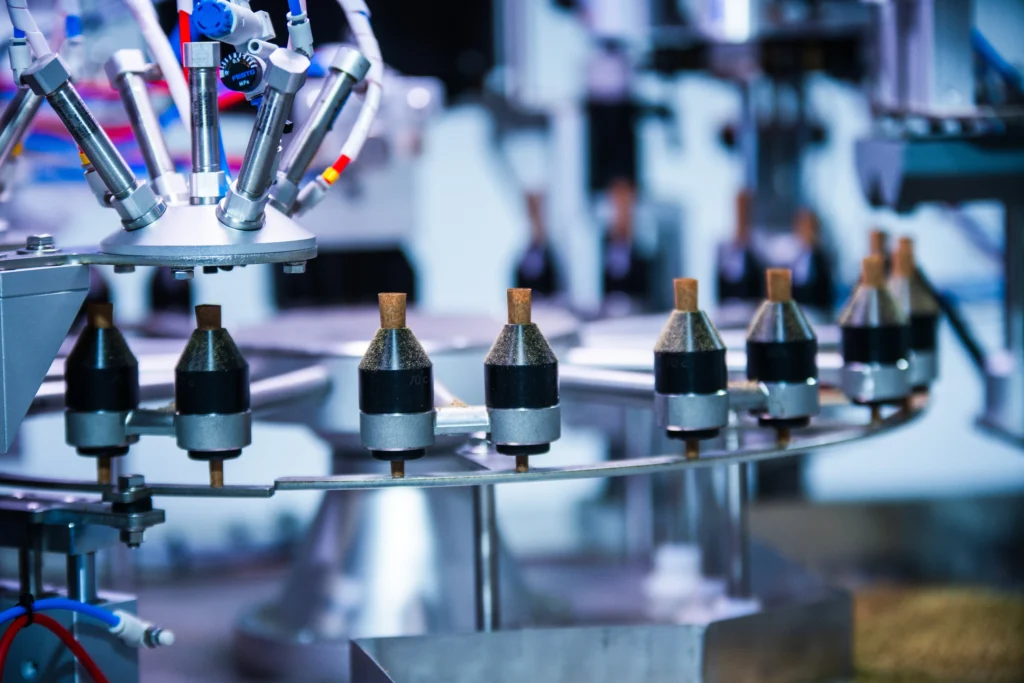
From $2k to nearly $300k, pre-roll machine pricing varies widely. When deciding what to invest in first, it helps to understand the various factors that drive those costs.
- Automation level: The amount of automation you’ll receive is the most significant cost driver. When fully automated systems replace multiple operators, they’ll naturally cost more up front, but save you more in the long term.
- Throughput capacity: Machines with higher hourly output or those that can swap SKUs with fewer changeovers command higher upfront prices due to their greater capabilities.
- Infusion capabilities: Systems built to handle infusion typically cost more due to the complexity of dosing concentrates safely and evenly—especially when working with different viscosities like wax or kief.
- Build quality and reliability: Industrial-grade systems use higher-quality components and precision engineering, which impacts pricing. Lower-end or hobby-style builds generally won’t offer the same uptime or consistency.
- Training, warranty, and support: Higher-end machines typically include on-site setup, training, and service, all in one cost. Be sure to compare the training side by side, as some will consist of customized SOPs for your exact SKUs.
- Financing or pay-per-joint models: Many brands offer financing with 0% down or flexible payment plans. These options help cushion the upfront cost, allowing you to scale without worrying about heavy capital investment.
How Pre-Roll Machines Pay for Themselves
Of course, when comparing pre-roll machine prices, it’s essential to consider ROI. Pre-roll machines often pay for themselves quickly, as operators save on labor costs by replacing multiple employees with a single operator while increasing throughput.
Another cost saver is reducing the amount of waste associated with manually filling and infusing pre-rolls. With a machine to do the work for you, you’ll improve quality and consistency while decreasing the amount of rejects or rework.
Time also equals money, especially considering retailer demand in the cannabis industry. A reliable machine that offers the training and support required to run optimally minimizes downtime and prevents production bottlenecks significantly.
Finally, consider financing options that allow you to start seeing ROI as soon as your equipment is set up. When doing so, you can expect a typical ROI of roughly 6-18 months, depending on the exact output and labor costs.
Why Hefestus Commands a Premium
Now that you know what drives pre-roll machine pricing and ROI, here’s why an investment in the AuraX is worth it.
First, even though it’s not the most expensive on the enterprise-grade list, Hefestus ensures every operator is ready to produce from day one with its week-long on-site setup and training.
During this time, Hefestus technicians work directly with your staff to help create SOPs that lock in repeatable quality and compliance for your exact SKUs.
And support doesn’t end there. With over 50 years in automation and over a decade in the cannabis industry, the Hefestus team understands how critical uptime is. We offer 24/7 customer support from teams in the U.S. and Israel to minimize downtime and delays.
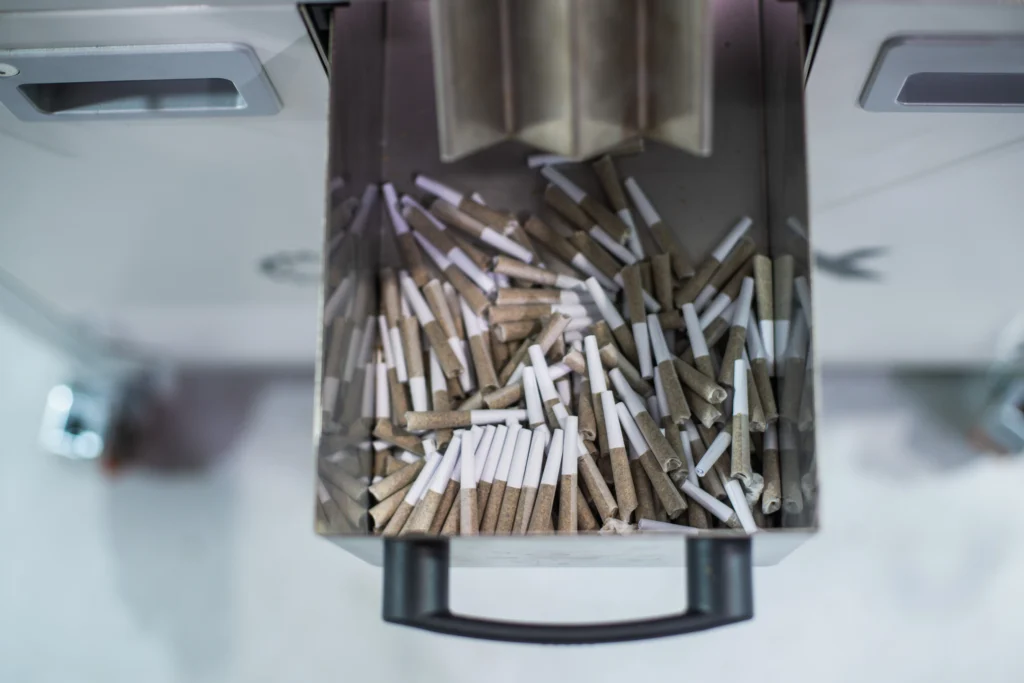
The AuraX’s throughput of 2,000+ pre-rolls per hour with just one operator is invaluable, especially considering that it can replace 3-5 manual workers per shift for most operations.
Not all machines can handle cones, blunts, and infused SKUs with ease. When a system can (like the AuraX), a premium price should come as no surprise. This allows operators to expand across product categories with minimal changeover and fewer bottlenecks.
Speaking of bottlenecks, its industrial-grade build provides the reliability needed for continuous production, giving you peace of mind from nearly zero clogging.
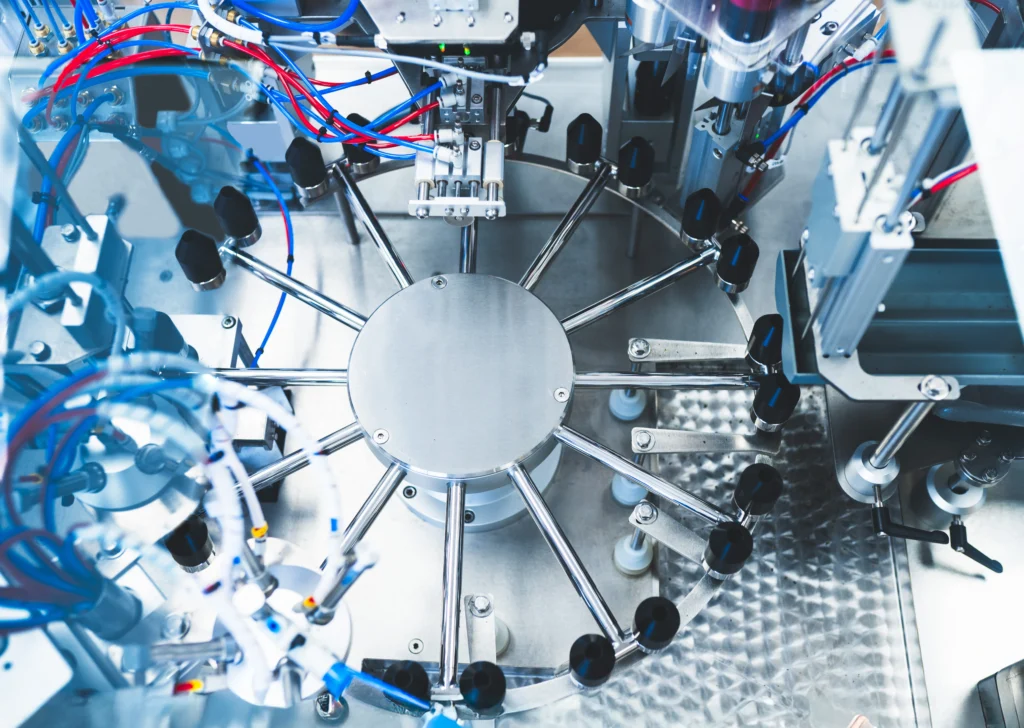
The AuraX’s modular design also allows the piece of equipment to grow with you, with add-ons such as the Weight Checker for streamlined quality assurance and compliance, and AutoTube integration for packaging to streamline your workflow.
And like other Hefestus equipment, the AuraX is backed by flexible $0-down financing, enabling you to scale production immediately, without hefty upfront capital, while the machine generates that ROI over time.
Conclusion: Pre-Roll Machine Price
Every cannabis operation looks different, meaning the level of automation you need will depend on your current output, future goals, and long-term scaling plans. Pricing and ROI will ultimately come down to how quickly you want to increase throughput, reduce labor, and tighten consistency.
Across all categories, there’s one system built to support that growth: the Hefestus AuraX. It delivers the highest level of automation, along with the reliability and flexibility operators need to scale smarter and stay profitable.
If you’re ready to see how the Hefestus AuraX can fit into your production line, get in touch with our sales team to explore your options.
Pre-Roll Machine Price: Frequently Asked Questions
Here are quick answers to the most common questions about pre-roll machine prices.
What Is the Average Price of a Pre-Roll Machine?
Most pre-roll machines cost $2,000 to $275,000+, depending on automation level, throughput, and build quality. Entry-level units only fill cones, while more advanced equipment automate the process from start to finish.
What’s the Price of an Automated Infused Pre-Roll Machine?
Automated infused machines typically range from $120,000 to $275,000+. They cost more because they manage precise concentrate dosing, airflow control, and multi-viscosity handling. Systems like the AuraX justify the higher price by reducing waste and keeping every cone uniform.
Can I Buy a Used Pre-Roll Machine?
Yes, you can buy a used pre-roll machine, appliance, but you’ll have to check for wear on vibration components, ensure the software is up to date, and inquire about the support, training, or warranty available for the machine you’re purchasing. Many operators find the downtime and repair costs outweigh the upfront savings.
What’s the Difference Between Pre-Roll Cone Fillers and Full Automation?
Cone fillers only pack ground flower and still require manual tamping, twisting, and inspection. Full automation handles packing, density control, finishing, and even infusion, delivering a complete SKU with minimal labor.