Types of Cannabis Concentrates
Cannabis concentrates have become one of the fastest-growing categories in the global cannabis industry. While traditional cannabis flower typically contains 10–25% THC, concentrates often contain 60–90% cannabinoids, delivering a stronger and more efficient experience.
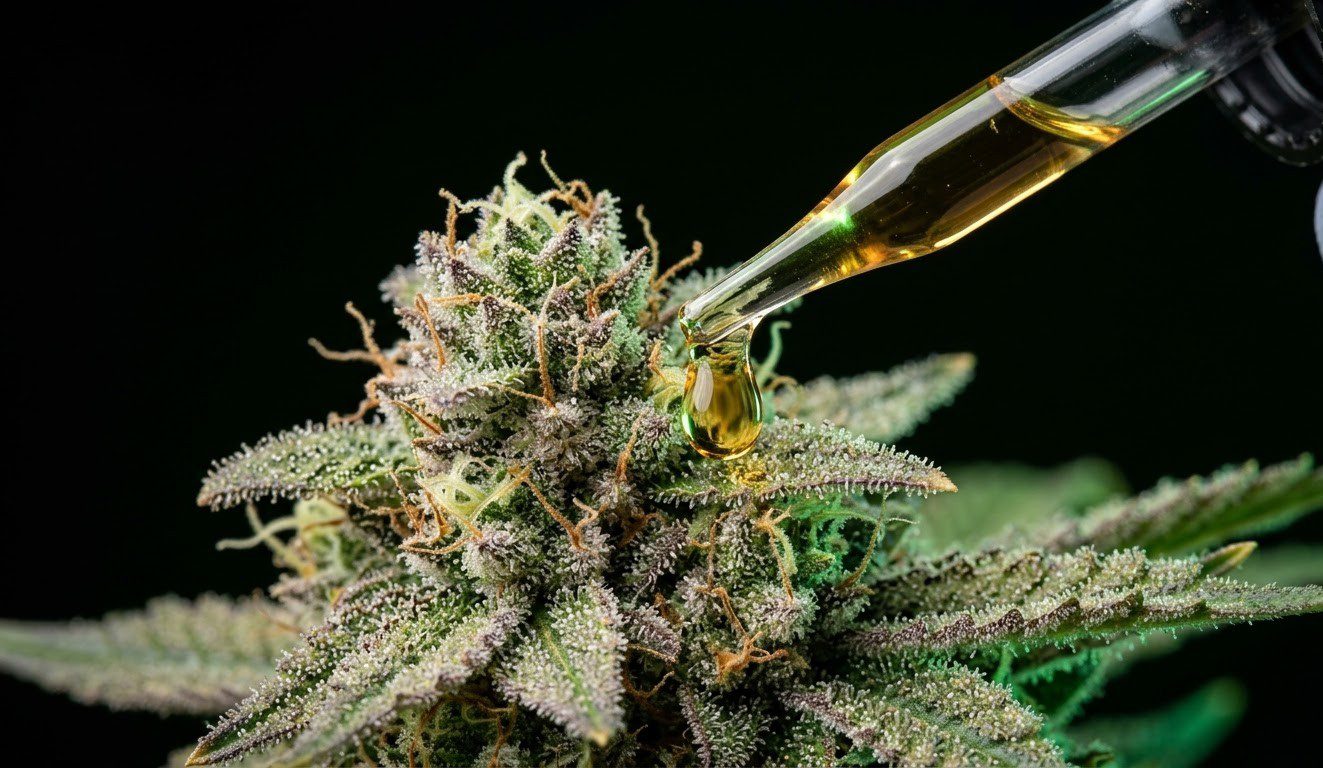
These products are created by extracting resin from cannabis plants, specifically from the trichomes that contain cannabinoids and terpenes. The result is a purified product that concentrates the plant’s most valuable compounds while removing excess plant material.
Today’s market offers many types of cannabis concentrates, each with different textures, extraction techniques, potency levels, and applications. Some concentrates are designed for dabbing, while others are used in vape cartridges, infused pre-rolls, edibles, and topicals.
Understanding the different types of concentrates helps both beginners and experienced cannabis consumers make informed decisions about potency, flavor, and consumption methods. In this guide, we’ll explore the most common types of weed concentrates, explain how they are made, and show how they are used across modern cannabis products.
What Are Cannabis Concentrates?
Cannabis concentrates are products that isolate the resin-rich compounds found in cannabis plants. The extraction process separates the trichomes, which are the tiny crystal-like glands that contain cannabinoids such as THC and CBD along with aromatic terpenes.
Because concentrates focus on the resin rather than the plant material, they contain significantly higher cannabinoid levels than traditional cannabis flower.
Typical potency comparisons include:
- Cannabis flower: 10–25% THC
- Hash: 30–60% THC
- Wax / Shatter: 60–85% THC
- Distillate: 85–95% THC
- THCA Diamonds: Up to 99% purity
This concentration of cannabinoids is why cannabis concentrates often produce stronger effects using smaller amounts of material.
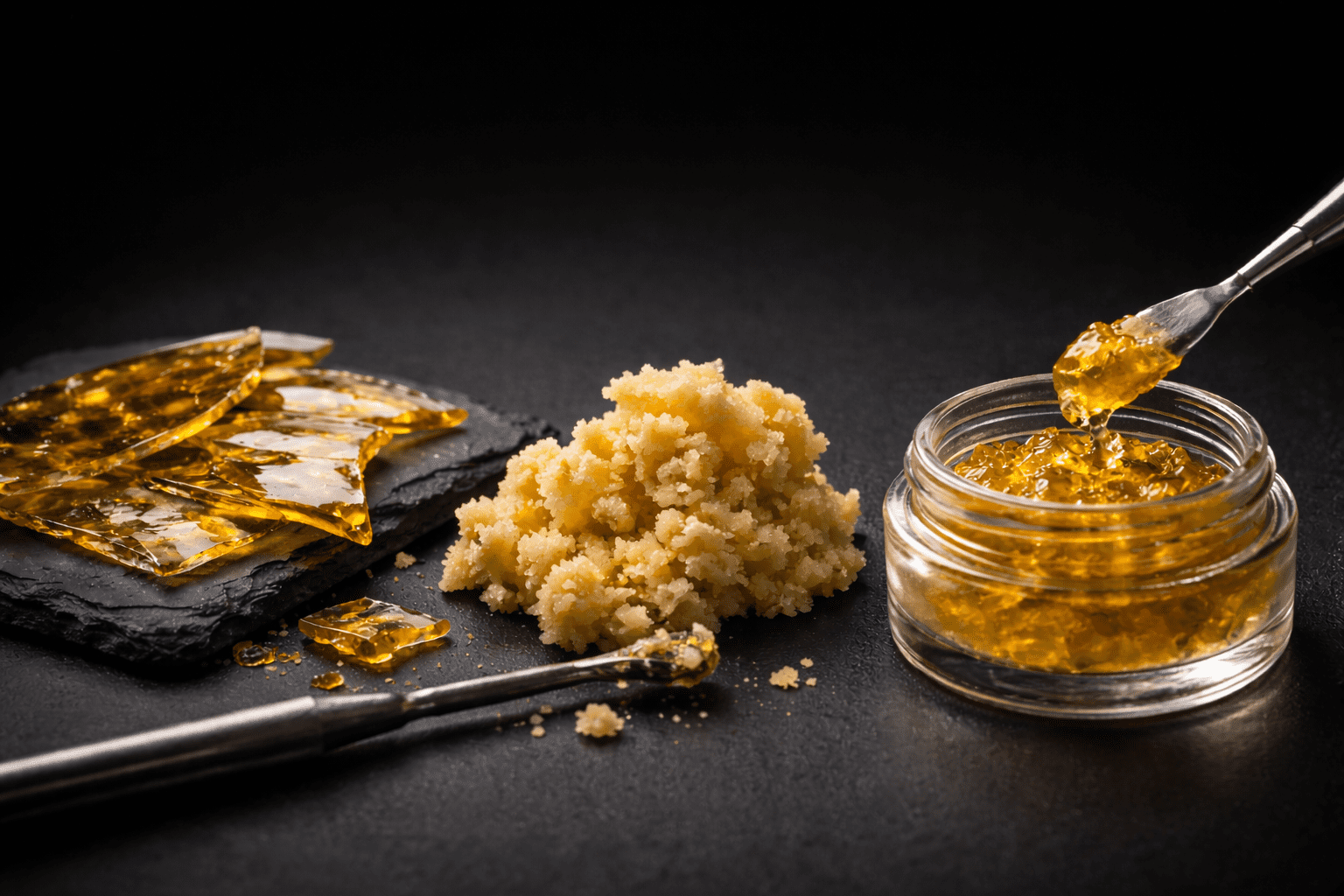
Another defining characteristic of concentrates is their wide range of consistencies. Depending on the extraction method and processing conditions, concentrates may appear as:
- brittle glass-like sheets
- creamy or whipped textures
- sticky oils
- crystalline structures
- loose powders
These differences create the diverse range of products that consumers encounter in dispensaries today.
Different Types of Cannabis Concentrates
The cannabis industry now produces a wide variety of extracts, each with distinct characteristics. The following are the most common types of THC concentrates found in modern cannabis markets.
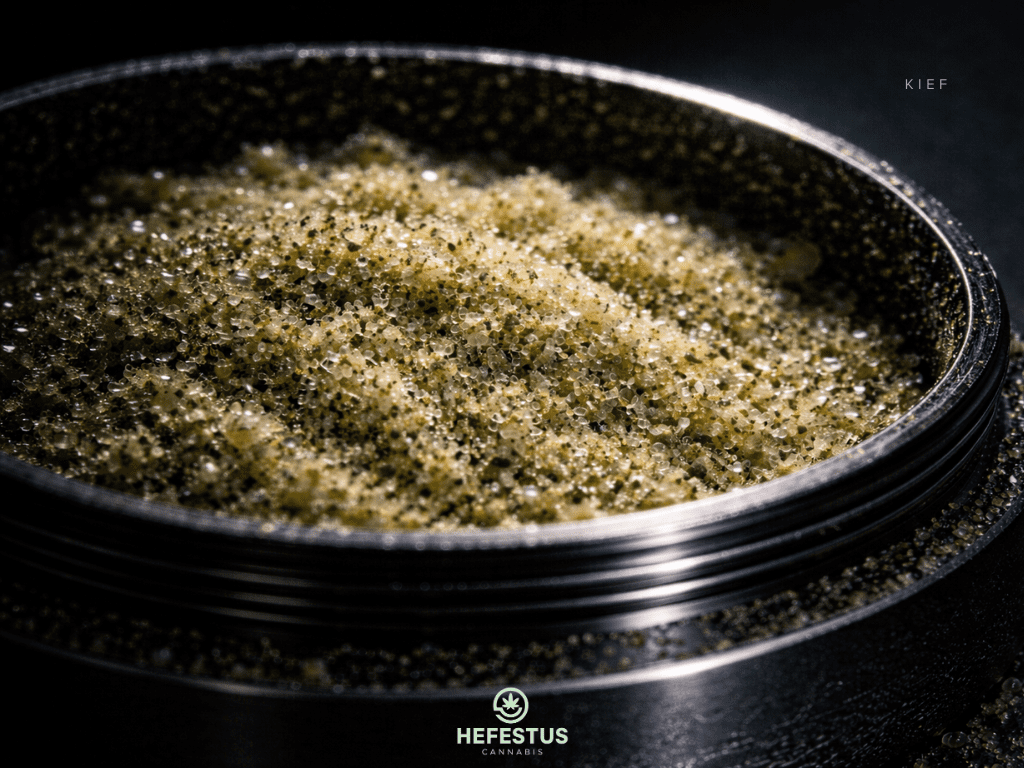
Kief
Kief is one of the simplest forms of cannabis concentrate. It consists of loose trichomes that fall from cannabis flower during grinding or handling.
These resin glands accumulate in the bottom chamber of multi-stage grinders or can be collected using fine mesh screens.
Kief is often used in several ways:
- sprinkled on top of cannabis flower in joints or bowls
- pressed into hash
- added to infused pre-rolls for extra potency
Because it contains concentrated resin glands, kief is significantly stronger than regular flower while still remaining easy to produce.
Hash (Hashish)
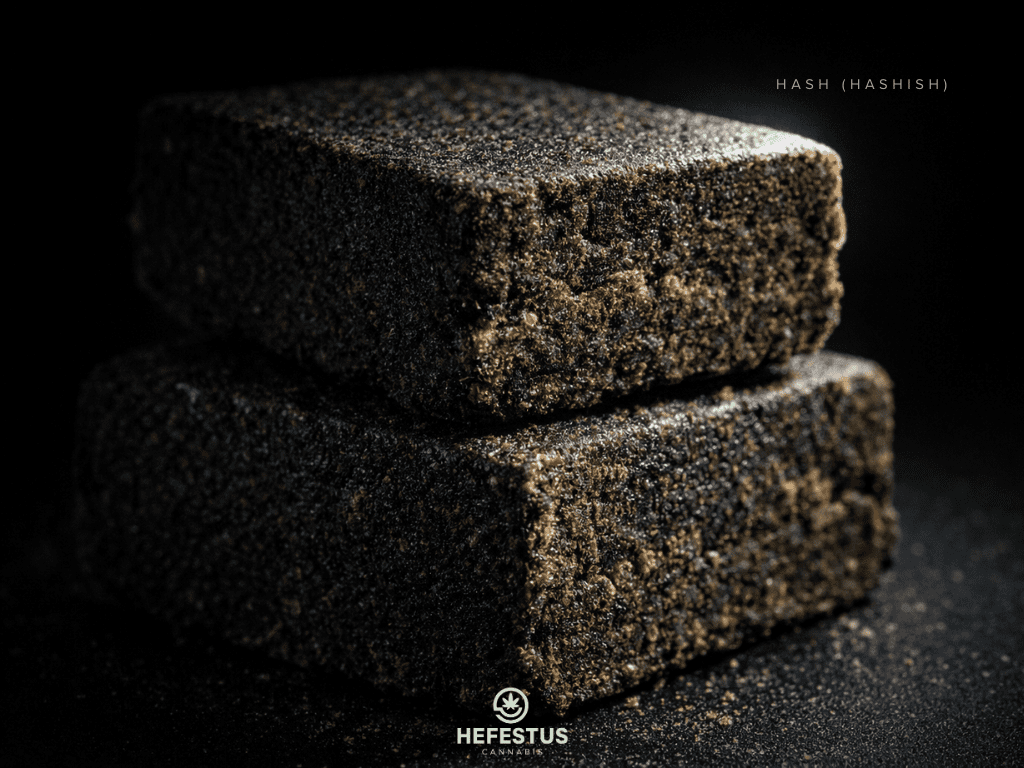
Hash is one of the oldest cannabis concentrates in recorded history, with use dating back centuries across regions such as the Middle East, North Africa, and South Asia.
Hash is produced by compressing collected trichomes into a solid form, creating a dense and potent cannabis extract.
Modern hash varieties include:
- traditional pressed hash
- dry sift hash
- bubble hash (ice-water extraction)
Hash typically contains 30–60% cannabinoids, offering a potent yet balanced experience compared to more refined extracts.
Wax
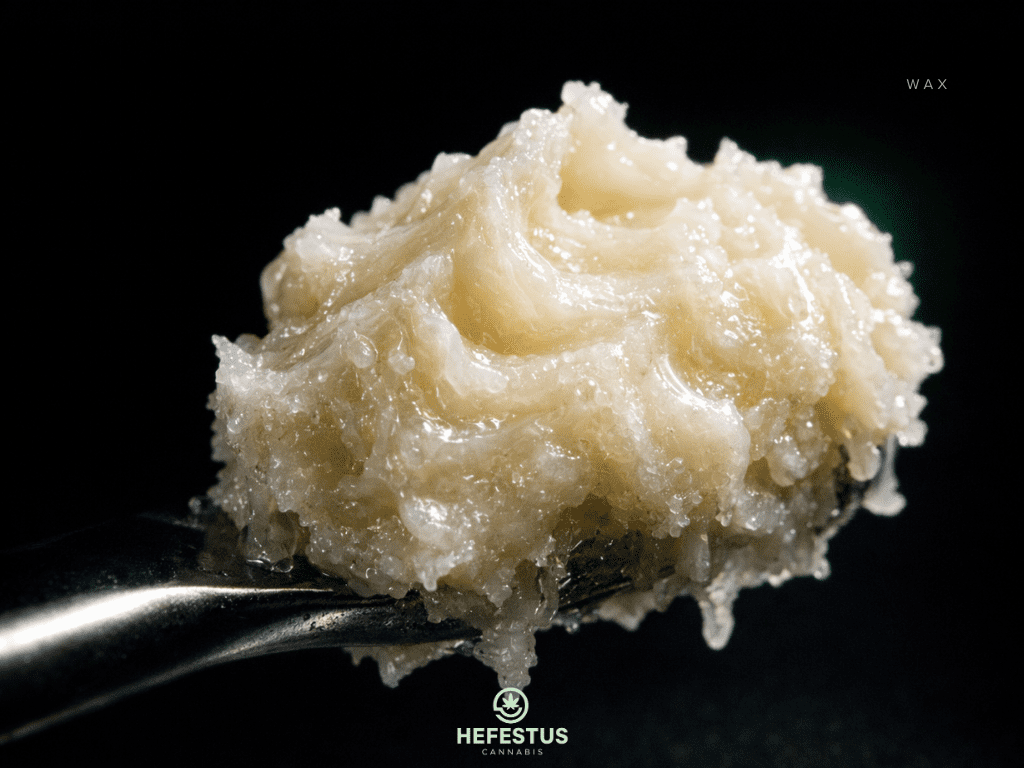
Wax is one of the most popular types of weed concentrates available today. It has a soft, opaque texture that resembles candle wax or frosting.
This consistency forms when extracted cannabis oil is agitated during the purging process, causing cannabinoids to crystallize and trap small air pockets.
Wax is commonly used for:
- dabbing
- vaporizing in concentrate-compatible devices
- adding potency to infused cannabis products
Its soft texture makes it easier to handle than brittle extracts like shatter.
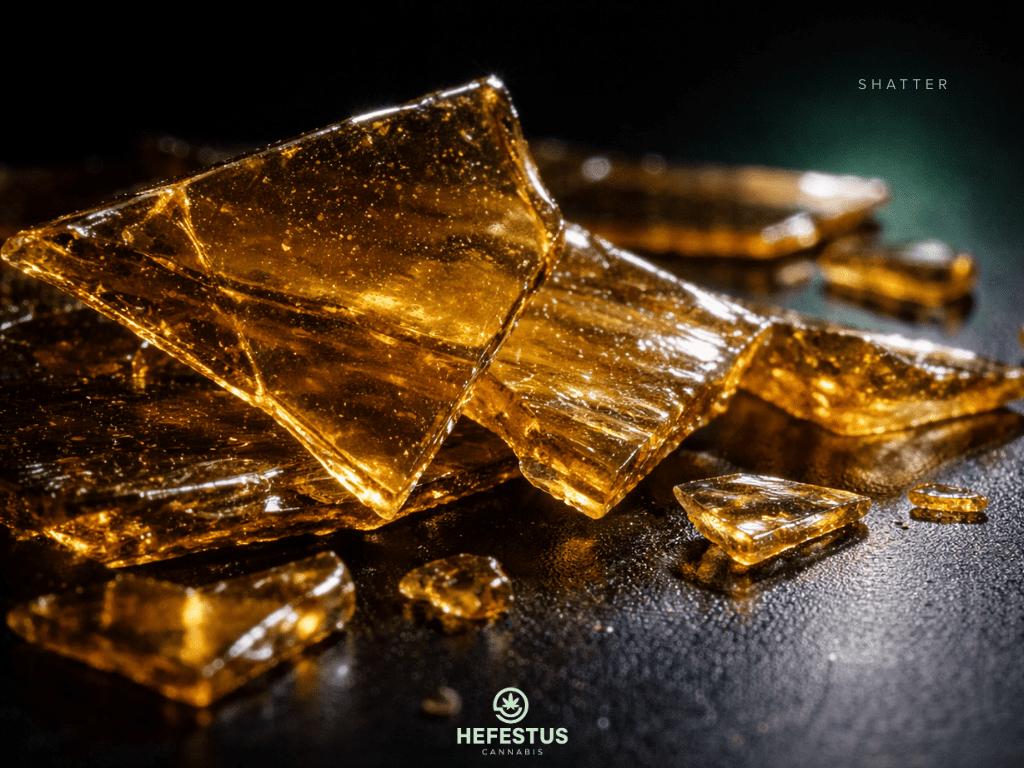
Shatter
Shatter is known for its translucent, glass-like appearance. It forms when cannabis extract cools into a thin sheet without agitation.
When handled, shatter breaks easily into shards, which is how it gets its name.
High-quality shatter typically offers:
- cannabinoid levels between 70–90% THC
- clear or amber coloration
- a brittle texture that snaps when broken
Shatter is commonly consumed through dab rigs or concentrate vaporizers.
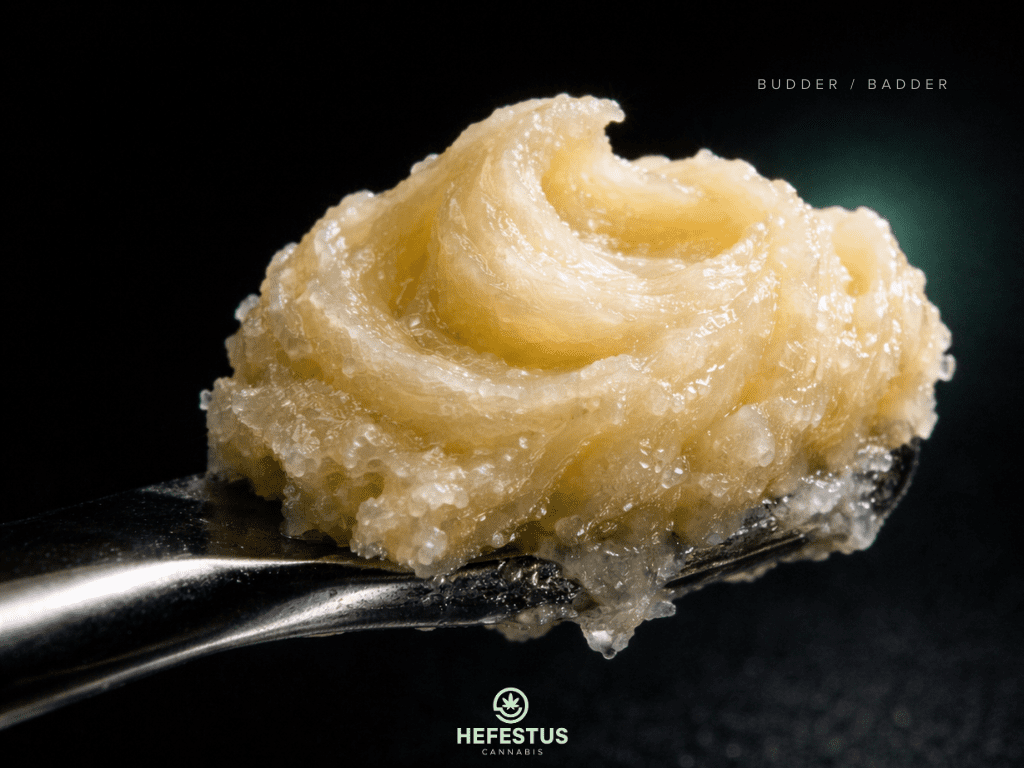
Budder / Badder
Budder (or badder) is a creamy cannabis extract with a consistency similar to softened butter.
This texture forms when cannabis extract is whipped during processing, introducing air into the oil and creating microcrystals.
Budder is popular because it offers several advantages:
- smooth, creamy texture
- strong terpene flavor
- easy handling for dabbing
Many cannabis consumers prefer budder because it combines potency with ease of use.
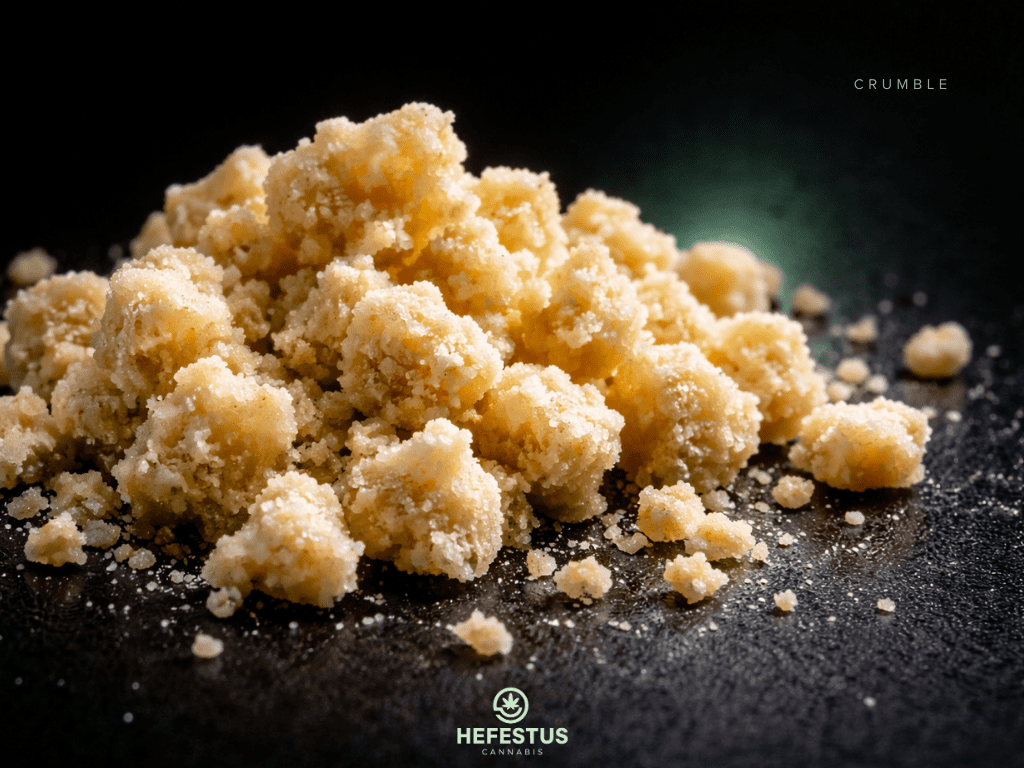
Crumble
Crumble is a dry cannabis concentrate that breaks apart easily when handled. Its texture often resembles honeycomb or feta cheese.
This structure forms when extracts are purged at lower temperatures for longer periods, allowing cannabinoids to crystallize into a crumbly consistency.
Crumble works well for:
- topping cannabis flower in bowls or joints
- vaporizing in concentrate-compatible devices
- dabbing in small amounts
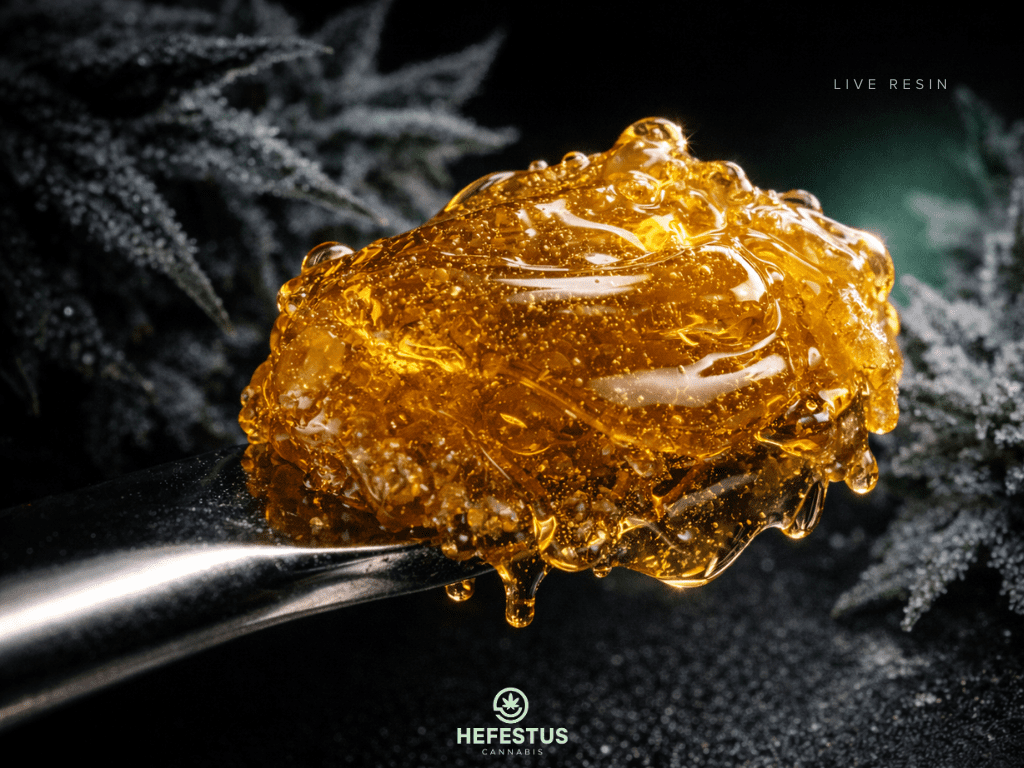
Live Resin
Live resin is a cannabis concentrate made from fresh-frozen cannabis plants rather than dried flower.
Immediately after harvest, the cannabis is frozen to preserve delicate terpenes that might otherwise degrade during drying and curing.
This process results in an extract that is known for:
- strong aroma
- rich terpene profiles
- enhanced flavor
Because of its terpene content, live resin is widely considered one of the most flavorful cannabis extracts available. Many premium cannabis brands use live resin and other aromatic extracts when producing terpene-infused pre-rolls designed to preserve complex flavor profiles.
Rosin
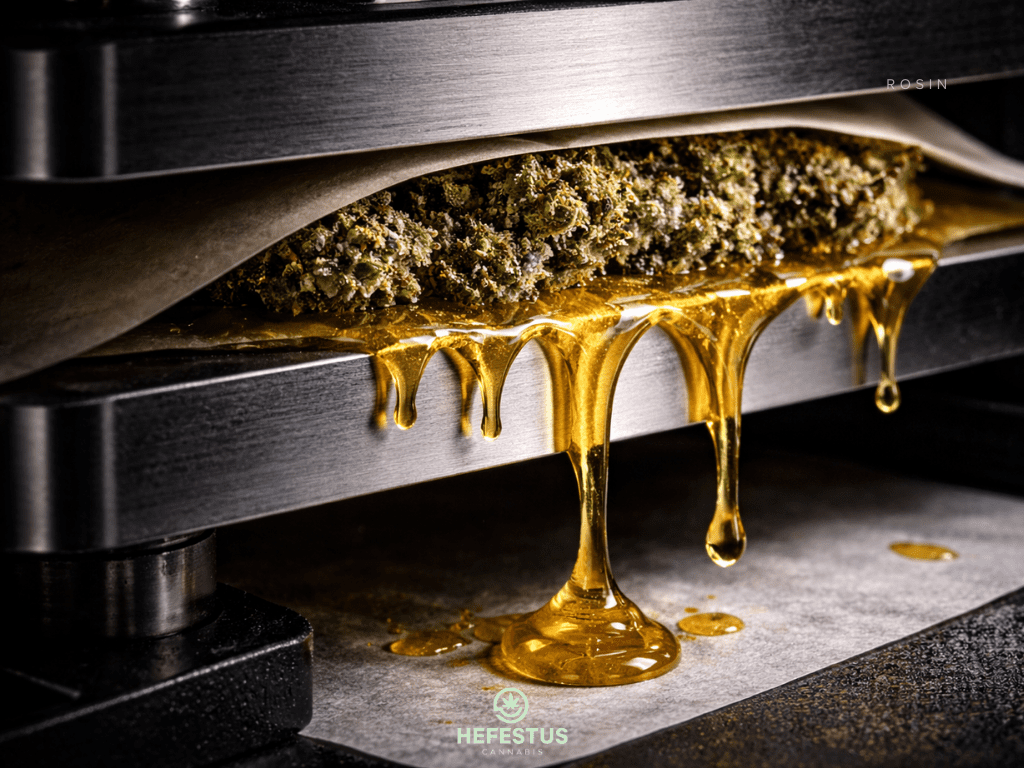
Rosin is a solventless cannabis concentrate created using heat and pressure rather than chemical solvents.
A rosin press squeezes resin from cannabis flower, kief, or hash, producing a sticky oil that retains cannabinoids and terpenes.
Rosin has become increasingly popular because it offers:
- solvent-free production
- strong terpene preservation
- high consumer demand
Premium varieties such as live rosin, made from bubble hash, are among the most sought-after concentrates in the cannabis market.
Distillate
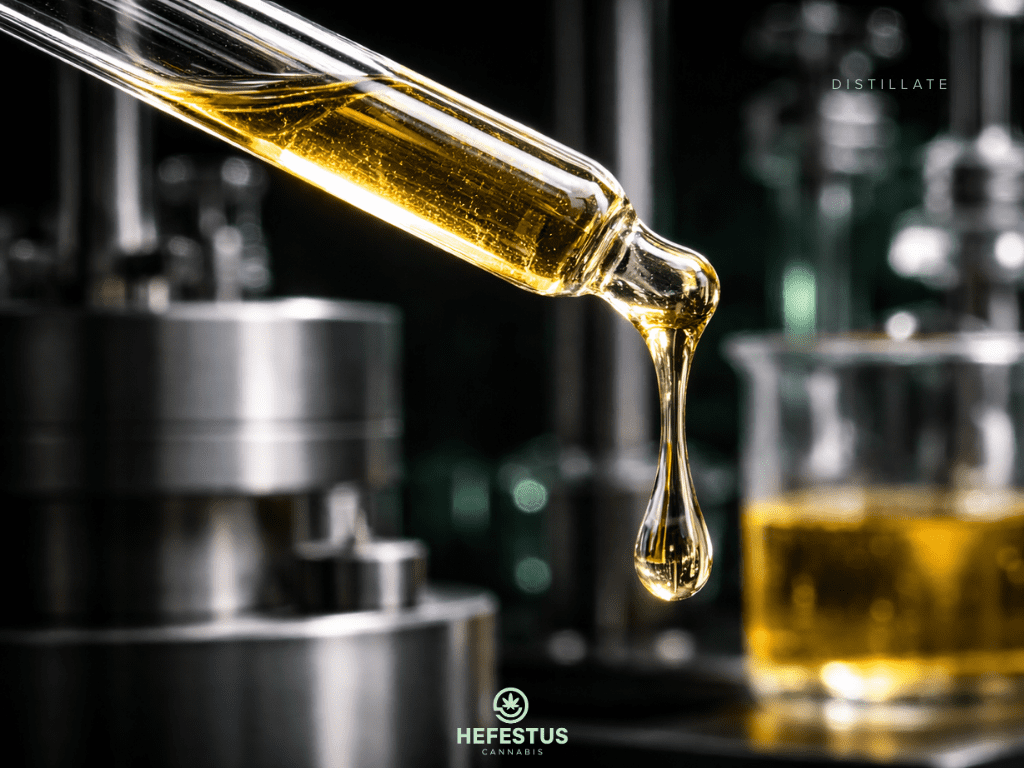
Distillate is one of the most refined types of THC concentrates. It is produced through molecular distillation, a process that isolates cannabinoids from other plant compounds.
The result is a highly purified oil containing up to 90–95% THC or CBD.
Distillate is widely used in:
- vape cartridges
- cannabis edibles
- tinctures
- infused beverages
Because distillate has minimal flavor on its own, terpenes are often added back to enhance taste and aroma.
Diamonds / Crystalline
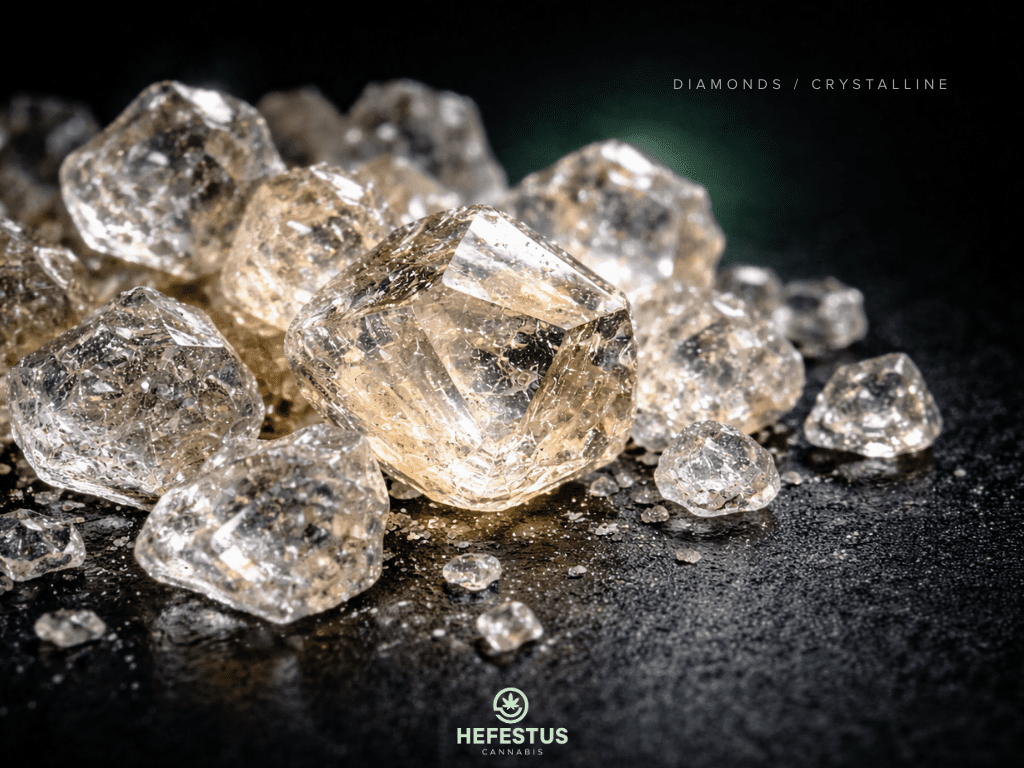
THCA diamonds are highly purified cannabinoid crystals that can reach up to 99% cannabinoid concentration.
They form when cannabis extracts undergo controlled crystallization during a process sometimes called diamond mining.
Diamonds are often combined with terpene-rich sauce to create products known as diamonds and sauce, which offer both potency and flavor.
Sauce / Terp Sauce
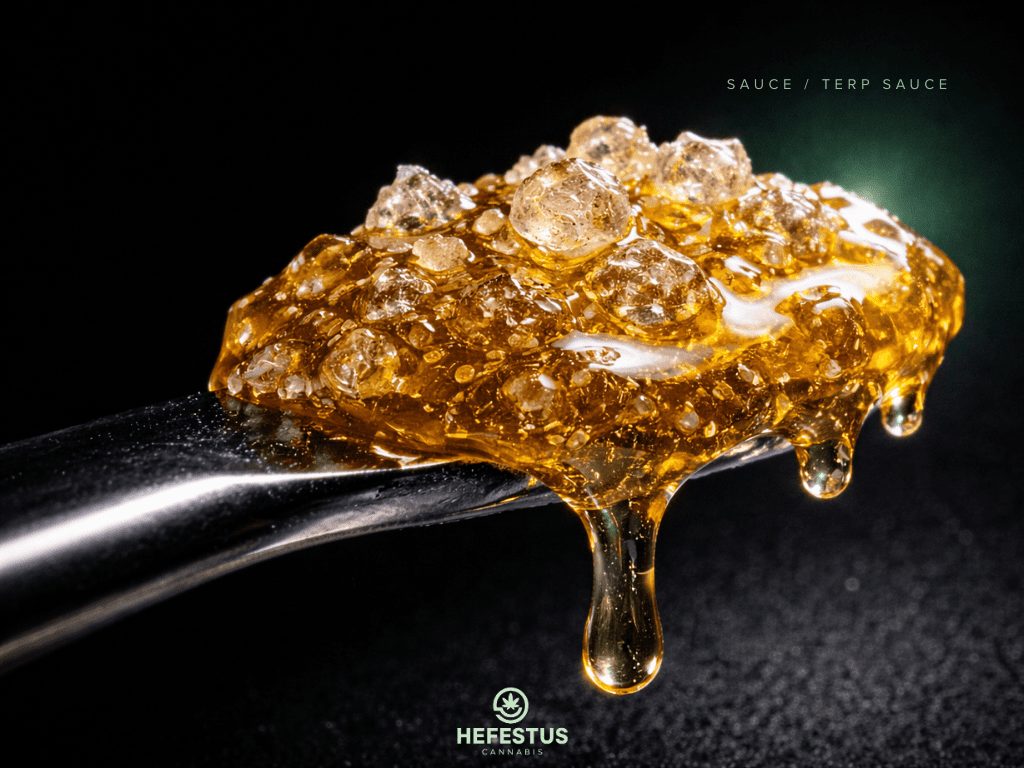
Terp sauce is a cannabis concentrate that contains a liquid phase rich in terpenes along with cannabinoid crystals.
This type of concentrate is prized for its:
- strong aroma
- intense flavor
- high potency
Products containing terp sauce are commonly consumed through dabbing or high-performance vaporizers.
Types of THC Concentrates by Extraction Method
Although there are many types of cannabis concentrates available today, most of them fall into two major extraction categories. These categories are defined by the way cannabinoids and terpenes are separated from the cannabis plant during the extraction process. Understanding the difference between these methods helps consumers better evaluate the potency, flavor profile, and production techniques behind various concentrates.
Solvent-Based Extraction
Solvent-based extraction uses chemical solvents to separate cannabinoids and terpenes from cannabis plant material. During this process, solvents dissolve the resin from the plant, allowing manufacturers to isolate the compounds that give cannabis its potency, aroma, and flavor. The most commonly used solvents in cannabis extraction include:
- Butane, which is frequently used in the production of concentrates like wax and shatter because it efficiently extracts cannabinoids and terpenes.
- Propane, which is similar to butane but has a slightly lower boiling point, making it useful for preserving certain terpene compounds.
- Ethanol, which is widely used in large-scale extraction processes and is particularly common in the production of cannabis oils and distillates.
- Carbon dioxide (CO₂), which is used in supercritical CO₂ extraction systems that allow manufacturers to precisely control pressure and temperature during the extraction process.
These solvents dissolve cannabis resin, which is later purified and carefully purged to remove any remaining solvent from the final product. This purification step ensures that the resulting concentrate meets safety standards and contains only the desired cannabinoids and terpenes.
Examples of solvent-based concentrates include:
- Wax, which is known for its soft and whipped texture and is commonly used for dabbing.
- Shatter, which has a brittle, glass-like consistency and is one of the most recognizable cannabis concentrates.
- Live resin, which is produced from fresh-frozen cannabis plants and is valued for its rich terpene profile.
- Distillate, which is a highly refined extract containing extremely high concentrations of THC or CBD.
- Terp sauce, which contains terpene-rich liquid alongside cannabinoid crystals and is prized for its strong flavor and aroma.
- THCA diamonds, which are crystalline structures that can reach extremely high levels of cannabinoid purity.
Solvent extraction is widely used throughout the cannabis industry because it produces high cannabinoid yields, strong potency levels, and consistent concentrate textures.
Solventless Extraction
Solventless extraction relies on mechanical processes rather than chemical solvents to separate cannabis resin from plant material. Instead of dissolving cannabinoids with chemicals, these techniques physically remove the trichomes that contain cannabinoids and terpenes.
These extraction methods typically use physical processes such as:
- Dry sift screening, which separates trichomes from cannabis flower using fine mesh screens.
- Ice water agitation, commonly known as bubble hash production, which uses cold water and filtration bags to separate trichomes from plant material.
- Rosin pressing, which uses heat and pressure to squeeze resin directly from cannabis flower, kief, or hash.
Examples of solventless concentrates include:
- Rosin, which is produced using heat and pressure and is valued for its solvent-free production process.
- Bubble hash, which is created through ice water extraction and filtration techniques.
- Traditional hash, which is made by compressing collected trichomes into solid blocks or balls.
- Kief, which consists of loose trichomes that naturally separate from cannabis flower.
Many cannabis enthusiasts prefer solventless concentrates because they tend to retain natural terpene profiles and avoid the use of chemical solvents during the extraction process. As a result, these products are often associated with strong flavor and a more natural production approach.
How Different Types of Weed Concentrates Are Used
Cannabis concentrates can be consumed in several different ways depending on their consistency, potency, and product formulation. Because concentrates contain high levels of cannabinoids, they are often used in smaller quantities but can deliver stronger effects than traditional cannabis flower. The versatility of cannabis extracts allows them to be incorporated into many consumption methods, ranging from vaporization to infused cannabis products.
Dabbing
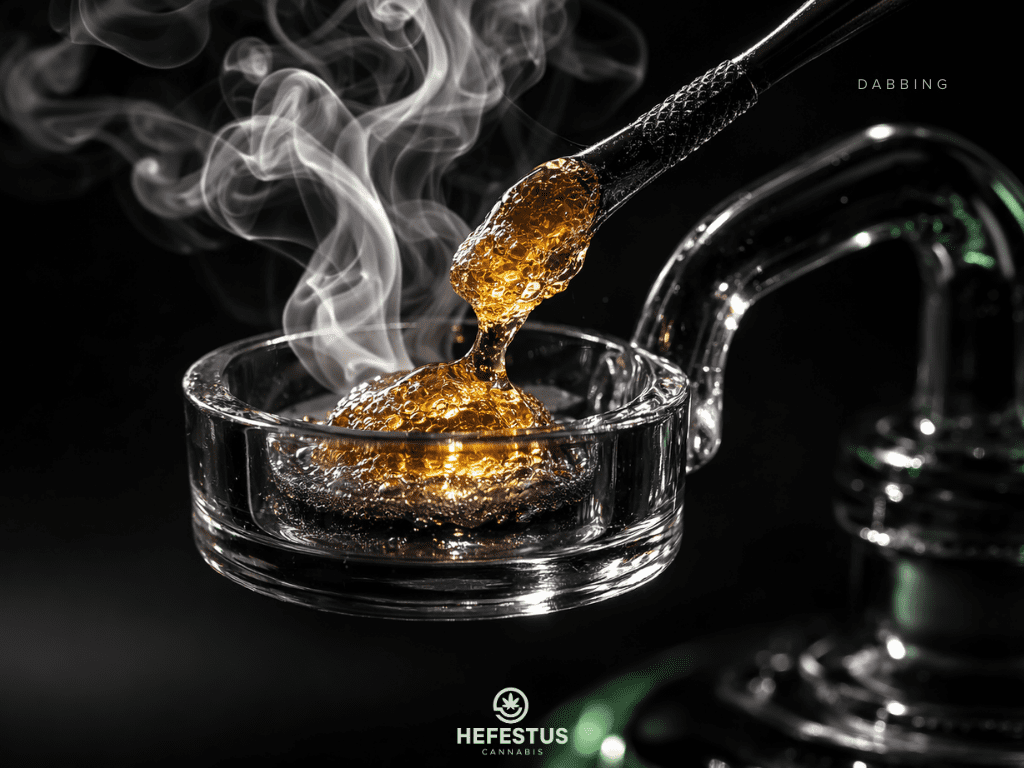
Dabbing is one of the most common and widely recognized consumption methods for cannabis concentrates. This process involves heating a small portion of concentrate on a heated surface known as a dab nail or banger, which is typically attached to a specialized device called a dab rig. Once the concentrate touches the heated surface, it instantly vaporizes and produces inhalable vapor.
After the concentrate vaporizes, the user inhales the vapor through the dab rig. This method is popular because it allows consumers to experience the full potency and terpene profile of cannabis concentrates in a single inhalation. Dabbing has become especially popular among experienced cannabis consumers because it can deliver strong effects quickly and efficiently.
Vape Cartridges
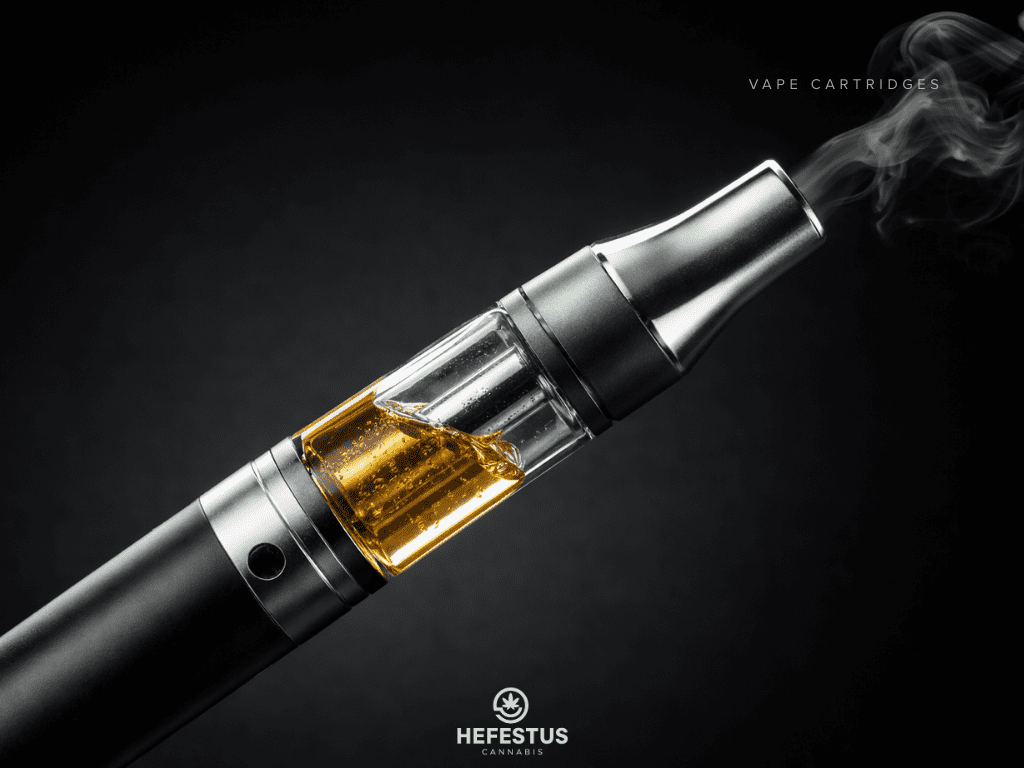
Many cannabis concentrates are also used in vape cartridges, which are pre-filled with cannabis oil and designed to attach to small battery-powered devices. These cartridges have become extremely popular in modern cannabis markets due to their convenience and ease of use. Vape cartridges provide several advantages for consumers, including: Portability, since vape pens are compact and easy to carry.
Discreet consumption, because vapor typically produces less noticeable odor than smoking. Consistent dosing, which allows users to control how much cannabis they consume with each inhalation. Concentrates such as distillate and live resin are commonly used in vape cartridges because their liquid consistency works well with cartridge hardware.
Infused Pre-Rolls
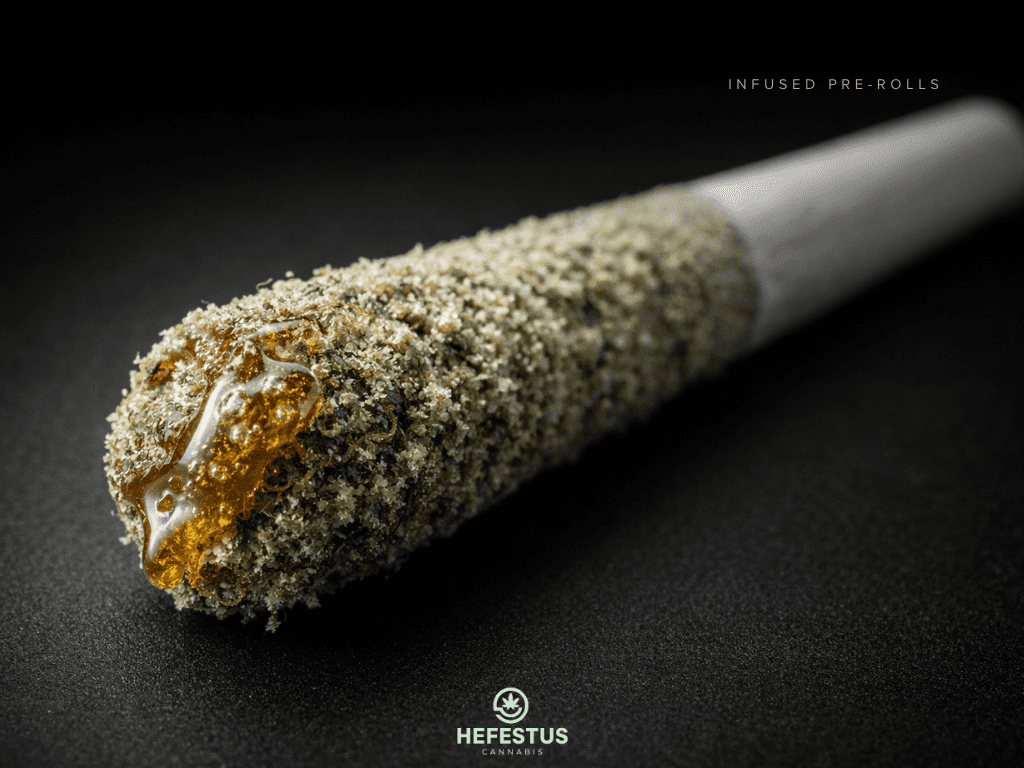
Cannabis concentrates are frequently added to cannabis flower products to increase potency and enhance flavor, which is why many manufacturers study how infused pre-rolls are manufactured. These products are known as infused pre-rolls and have become increasingly popular in dispensaries. Manufacturers incorporate concentrates into pre-rolls in several ways.
Examples include: wax-infused joints, where cannabis wax is mixed with flower before rolling kief-coated pre-rolls, which are rolled in loose trichomes to boost potency live resin infused products, which combine high-terpene extracts with cannabis flower. These infused pre-rolls combine the familiar experience of smoking cannabis flower with the added strength and flavor of concentrates.
As demand for infused cannabis products grows, many producers rely on an automated pre-roll machine to maintain consistent fill weights, improve production efficiency, and scale manufacturing while integrating concentrates into pre-rolls.
Edibles
Cannabis concentrates are widely used in the production of edible cannabis products because they allow manufacturers to control cannabinoid dosage more precisely. By using concentrated extracts instead of raw cannabis flower, producers can ensure consistent potency across batches of edible products. Common edible cannabis products made using concentrates include: gummies chocolates baked goods beverages
Distillate is one of the most commonly used concentrates in edible production because it has a neutral flavor and extremely high cannabinoid content. This allows manufacturers to create infused foods without significantly altering their taste. Because edible cannabis products must pass through the digestive system before entering the bloodstream, their effects may take longer to appear compared to inhaled cannabis products. However, the effects often last longer, making edibles a preferred option for some consumers.

Topicals
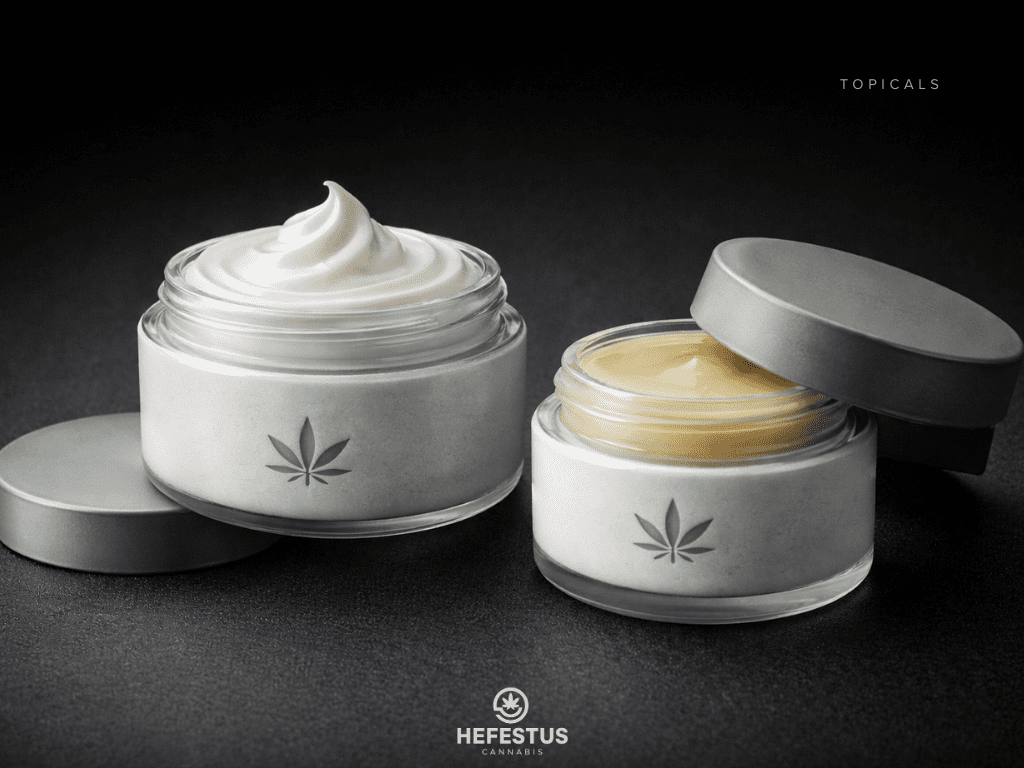
Cannabis extracts can also be infused into topical products such as creams, balms, lotions, and oils. These products are designed to be applied directly to the skin rather than inhaled or ingested. When used topically, cannabis compounds interact with receptors in the skin, which may provide localized relief in the targeted area. Topical cannabis products are commonly used for purposes such as soothing muscle discomfort, supporting joint mobility, or promoting skin wellness.
Because most topical products do not enter the bloodstream in significant amounts, they typically do not produce psychoactive effects, even when they contain THC. Many topical formulations include cannabis concentrates such as distillate, full-spectrum extracts, or CBD-rich oils. These extracts are blended with carrier ingredients like coconut oil, shea butter, or essential oils to create products that are easy to apply and absorb into the skin. Topicals are especially appealing to consumers who want to experience the potential therapeutic benefits of cannabis without the intoxicating effects commonly associated with other consumption methods.
Cannabis Concentrates in Infused Products
Cannabis concentrates play a central role in the manufacturing of infused cannabis products.
Because concentrates contain high cannabinoid concentrations, they allow manufacturers to create potent products without using large amounts of plant material. Many cannabis producers pair concentrate infusion with the best pre-roll machines used by cannabis operators to scale production.
Common concentrates used in infused products include:
- distillate
- kief
- live resin
- hash
These extracts enhance both potency and terpene content, helping brands differentiate their products in competitive markets.
Choosing the Right Cannabis Concentrate
Selecting the right cannabis concentrate depends on several important factors, including potency, flavor profile, extraction method, and the way the product will be used. Because concentrates vary widely in strength, consistency, and terpene content, understanding these differences can help consumers choose products that align with their experience level and preferences. Some users prioritize strong effects, while others focus on flavor, purity, or ease of use. Taking the time to evaluate these factors ensures a more satisfying and controlled cannabis experience.
Potency
Potency is one of the most important considerations when selecting a cannabis concentrate. Concentrates often contain significantly higher levels of cannabinoids than traditional cannabis flower, which means they can deliver stronger effects using smaller amounts of material. High-THC products such as distillate and THCA diamonds are known for producing some of the most intense effects available in cannabis products today. These extracts can reach extremely high cannabinoid concentrations, making them popular among experienced users who are seeking powerful results.
For beginners or consumers with a lower tolerance, however, starting with milder concentrates may be a better option. Products such as traditional hash or lower-THC extracts provide a more balanced experience while still offering the benefits of concentrated cannabis resin. Understanding cannabinoid percentages and starting with smaller doses can help users gradually find the potency level that works best for them.
Flavor Profile
Flavor is another major factor that influences the choice of cannabis concentrate. The flavor and aroma of cannabis products are primarily determined by terpenes, the aromatic compounds found in cannabis resin. Concentrates made from fresh-frozen cannabis plants, such as live resin or live rosin, are widely known for preserving these terpene profiles more effectively than many other extraction methods.
Because the plant material is frozen immediately after harvest, the delicate terpenes remain intact, producing richer aromas and more complex flavors. As a result, consumers who value taste and aroma often prefer live concentrates over more refined products like distillate, which may have fewer natural terpenes unless they are reintroduced during processing.
Extraction Method
The extraction method used to produce a concentrate can also influence its quality, flavor, and overall experience. Some consumers prefer concentrates that are produced using solventless extraction techniques, which rely on physical processes such as heat, pressure, or water filtration instead of chemical solvents. Examples of solventless concentrates include rosin and traditional hash.
These products are often favored by consumers who prioritize natural processing methods and minimal chemical involvement. On the other hand, solvent-based extraction methods can produce highly refined concentrates with very high cannabinoid concentrations and consistent textures. Ultimately, the choice between solvent and solventless concentrates depends on individual preferences and priorities.
Intended Use
Another important consideration when selecting a cannabis concentrate is how the product will be used. Certain concentrates work better in specific applications due to their texture, consistency, and cannabinoid content. Understanding these differences can help consumers select the most appropriate product for their preferred consumption method.
For example:
- distillate is commonly used in vape cartridges and cannabis edibles because of its high potency and neutral flavor
- wax and budder are ideal for dabbing due to their soft texture and ease of handling
- kief is often sprinkled on top of cannabis flower to enhance potency and flavor
Choosing a concentrate that matches the intended consumption method can significantly improve the overall experience.
Final Thoughts
The modern cannabis industry offers a diverse range of extracts, each created using unique processing techniques and starting materials.
From traditional hash and kief to advanced products like live resin, rosin, and THCA diamonds, the types of cannabis concentrates available today reflect decades of innovation in extraction technology.
Although these concentrates vary widely in texture, potency, and flavor, they all share a common purpose: delivering concentrated cannabinoids and terpenes from the cannabis plant.
As cannabis markets continue to evolve, concentrates are expected to remain one of the most dynamic and innovative segments of the industry.
If you found this guide helpful, consider sharing it with others interested in cannabis technology or exploring additional educational resources on modern cannabis extraction.