What Is Shake Weed?
Shake weed tends to get talked about in extremes. Some people dismiss it as low-grade leftovers that are only worth buying if you are desperate to save money. Others talk about it like it is some overlooked cannabis hack that delivers the same experience as premium flower for a fraction of the price. Neither version is especially useful.
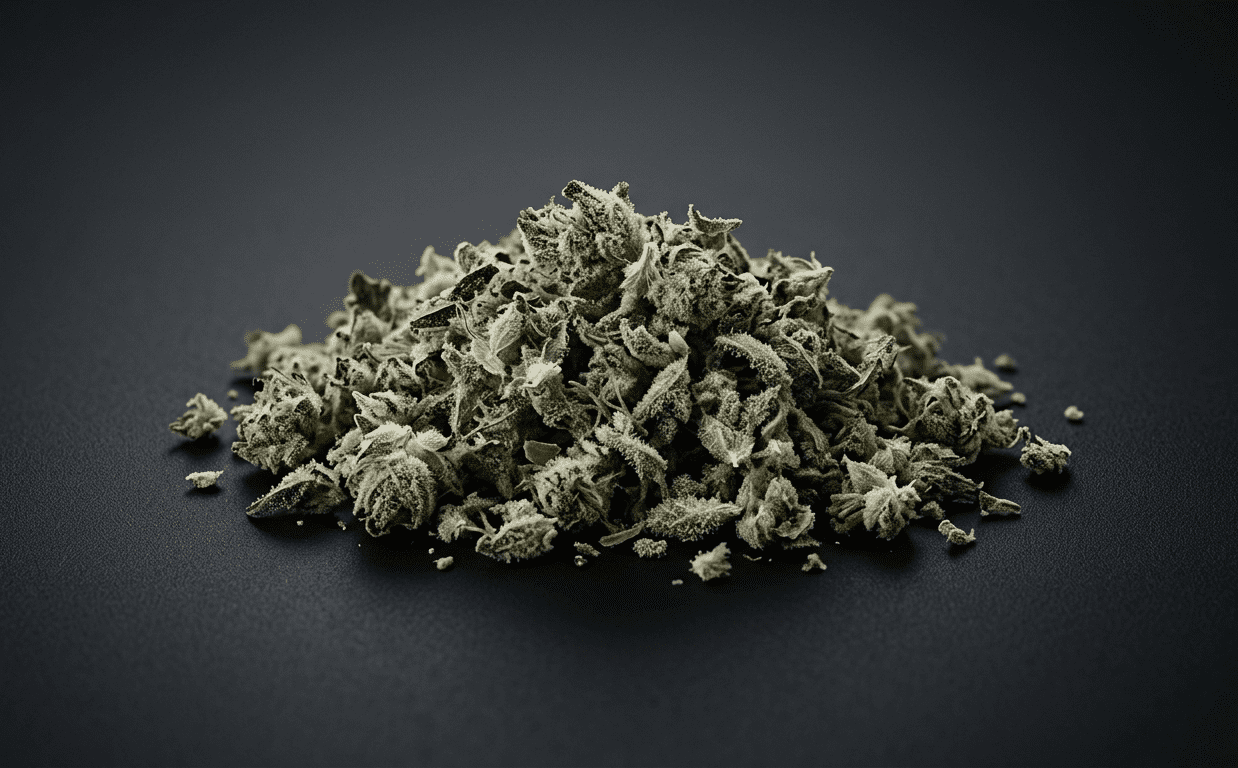
The truth on what is shake weed is more practical than that. Shake is simply the loose cannabis material that breaks off larger buds during normal handling, packaging, storage, and transport. It is not automatically garbage, and it is not automatically a bargain either. Sometimes it is a smart, functional buy for the right purpose. Other times it is dry, leafy, weak, or overpriced, and the “budget” label is doing more work than the product itself.
That is why this topic matters. A lot of content on shake weed either oversells it or oversimplifies it, which leaves readers with the wrong expectations. If you want to know what is weed shake, whether shake weed is good, does shake weed get you high, and what cannabis shake is used for, this guide gives you the full picture without the usual dispensary fluff.
What Is Weed Shake, Exactly?
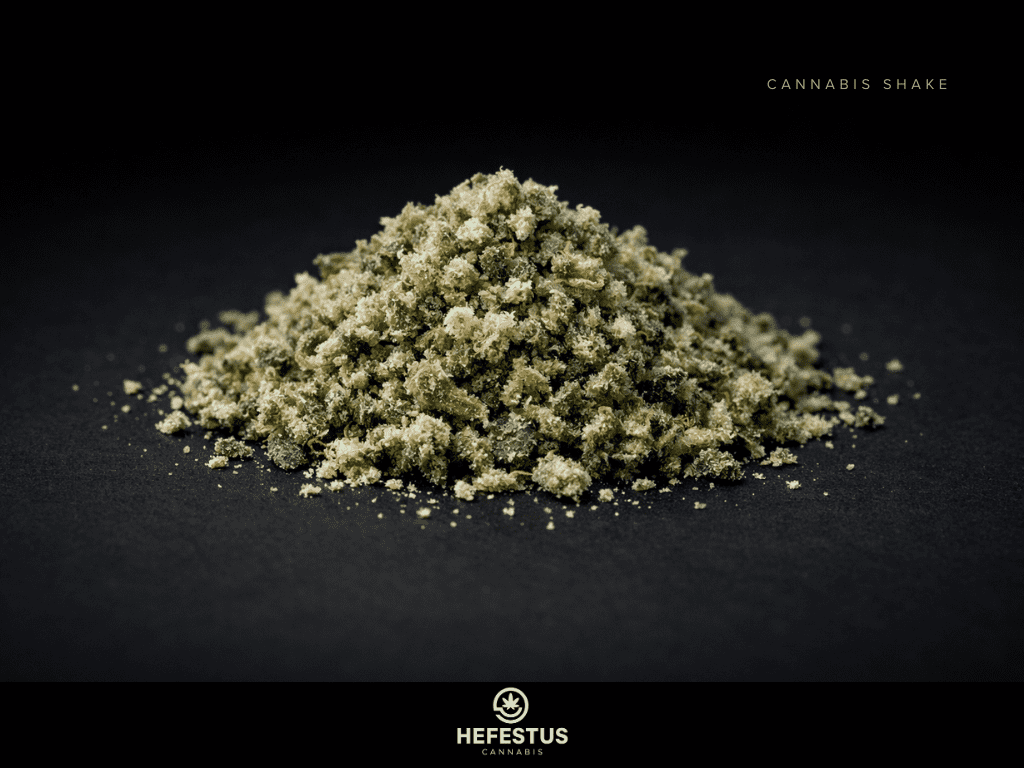
At its most basic level, shake is the small cannabis fragments that collect at the bottom of jars, bags, or larger storage containers after a flower has been moved around. Those fragments can include broken flower pieces, small bud particles, loose trichomes, bits of sugar leaf, and occasionally a small amount of stem material. That mix is exactly why shake can vary so much from one product to another.
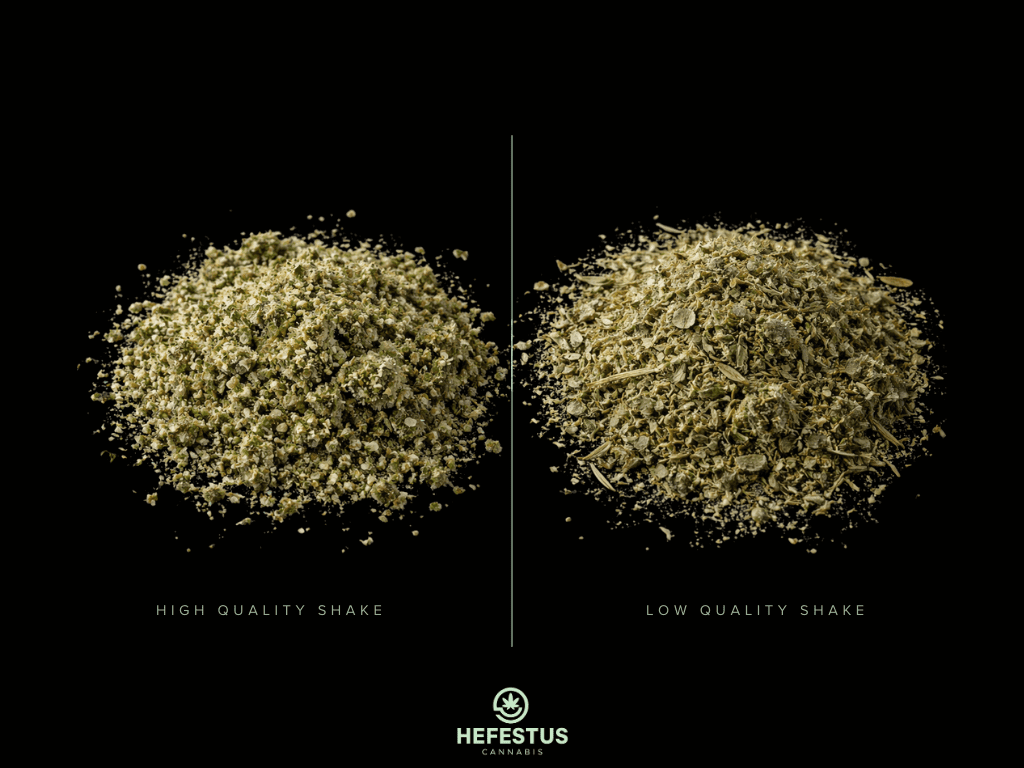
A decent batch of shake is usually made up mostly of actual flower fragments and trichomes, which means it can still offer respectable potency, usable terpene content, and a perfectly functional smoking or infusion experience. A worse batch may contain too much leaf, too much dry plant matter, or not enough of the good parts to justify the price. That is the first thing most buyers need to understand: shake is not one consistent quality tier. It is a category defined by form, not by guaranteed value.
That distinction matters because a lot of cannabis content treats shake like it is a single product with a single performance level. It is not. Two bags of shake can look similar from a distance and still deliver very different results depending on where they came from, how fresh they are, and how much actual flower they contain.
What shake is not
One of the easiest ways to understand shake is to separate it from the categories people constantly confuse with it.
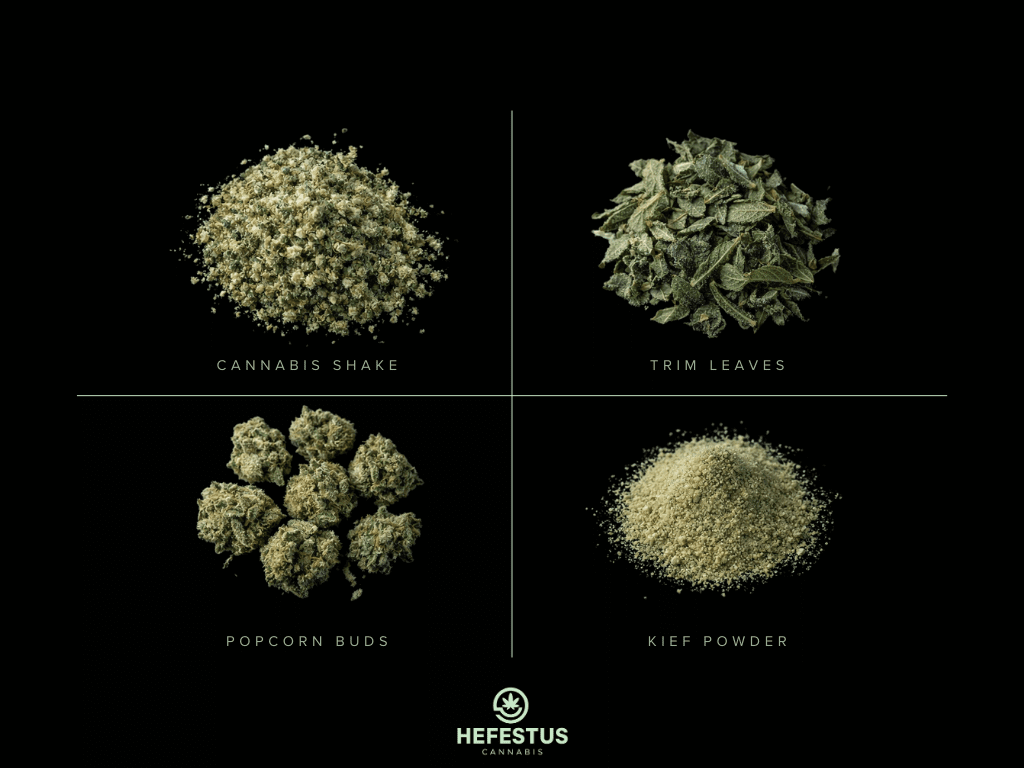
Shake vs trim
Trim refers to the leaves and excess plant material removed from cannabis buds during the manicuring process. Shake, by contrast, comes from flower material that breaks off buds naturally during handling and storage. Trim can still have cannabinoids on it, especially if sugar leaves are involved, but it is usually harsher, less flavorful, and generally less desirable for smoking. Shake is usually closer to flower than trim is, which is why the distinction matters so much when you are evaluating value.
Shake vs pre-ground flower
Pre-ground flower is intentionally milled and sold as a finished product. That is different from shake, which forms naturally as cannabis is handled and moved. Some brands blur this distinction because pre-ground flower sounds cleaner and more premium, while shake still carries stigma. But from a buyer’s perspective, the difference is important. Pre-ground flower is a deliberate product. Shake is an accumulation.
Shake vs popcorn buds
Popcorn buds are small but intact buds. They are usually more consistent than shake, often more flavorful, and generally better if you care about a cleaner smoking experience. If the price difference between popcorn buds and shake is small, shake often stops being the smart buy.
Shake vs kief
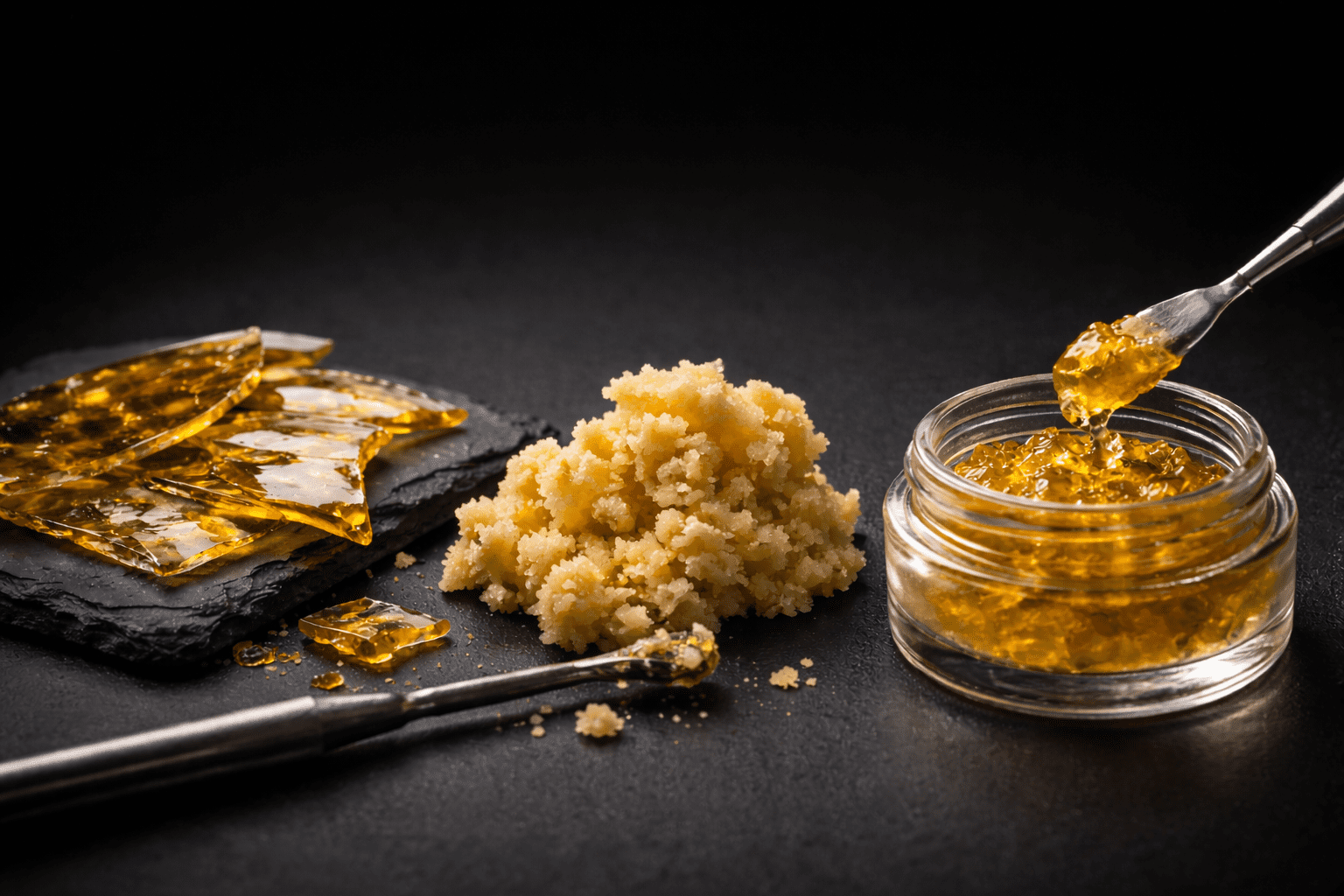
Kief is made up of concentrated trichomes, which are the resin glands that contain high levels of cannabinoids and terpenes. Shake may contain some kief, but it is still mostly plant material. Calling shake and kief interchangeable is inaccurate and usually a sign that the writer is either oversimplifying or trying to make the shake sound stronger than it really is.
How Shake Weed Forms During Cannabis Processing
Shake weed does not appear out of nowhere, and it is not necessarily a sign that something went wrong. It forms naturally as cannabis moves through the normal production and distribution process.
Cannabis buds go through multiple stages before they ever reach a jar, bag, or dispensary shelf. They are harvested, dried, trimmed, sorted, packaged, transported, and handled repeatedly. At every one of those stages, small pieces of flower and trichomes can break away from the larger buds. That is especially true once the flower has been properly dried and cured, because drier cannabis becomes more brittle and more likely to shed fragments during movement.
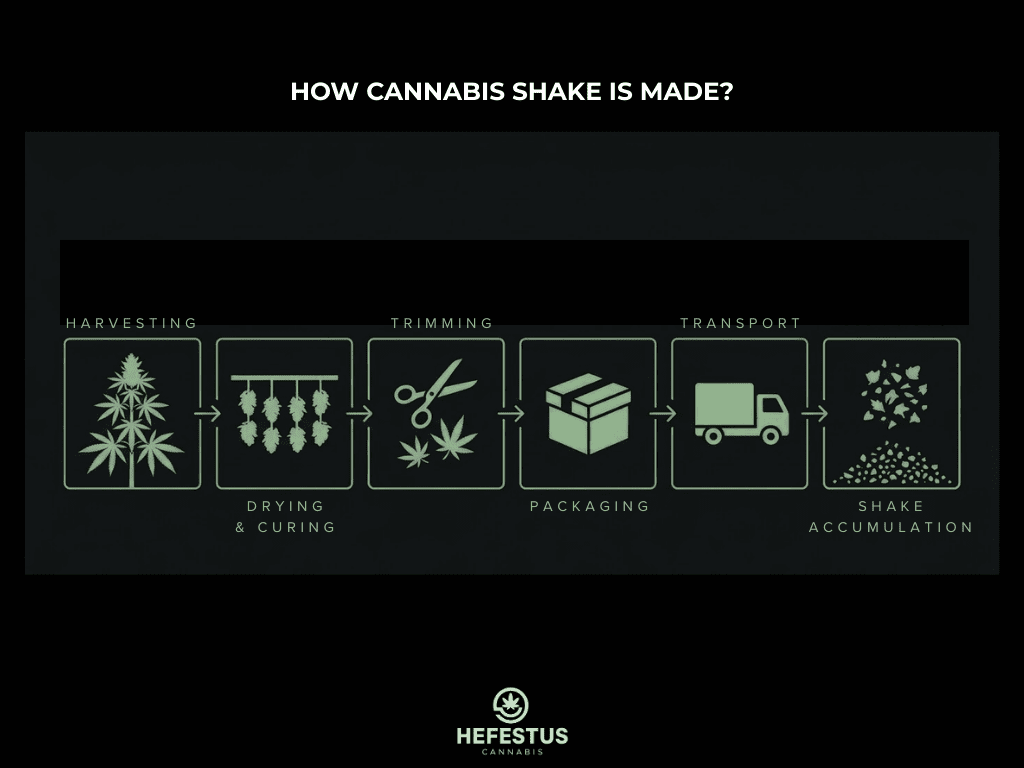
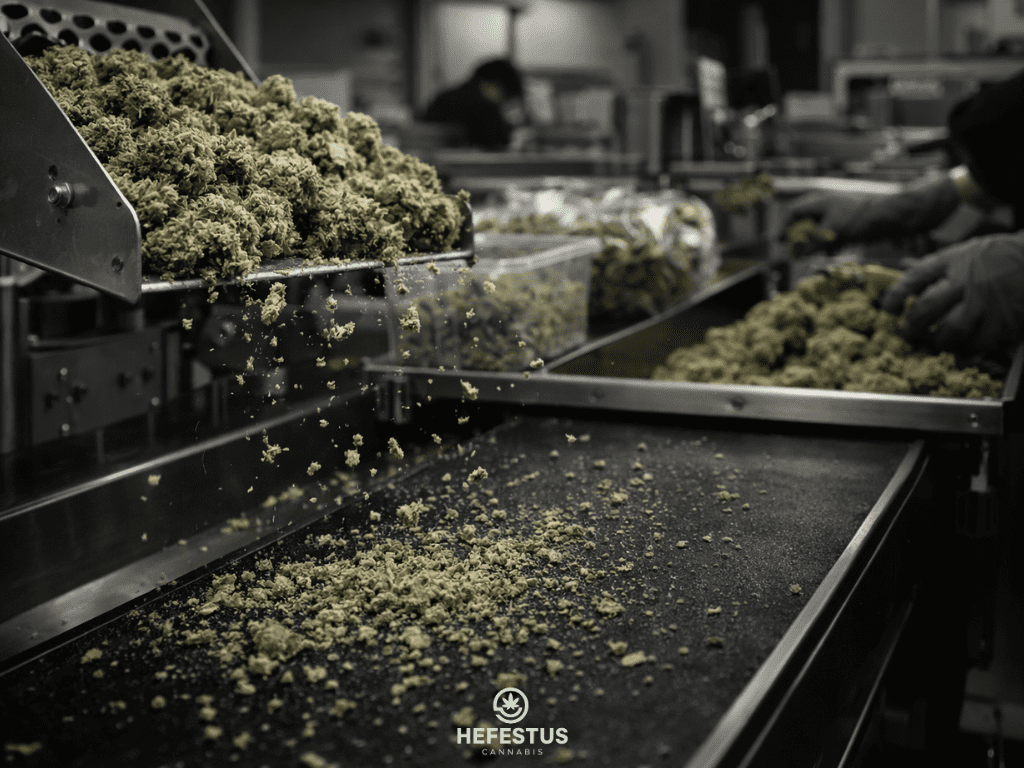
In smaller batches, that may only create a little loose material at the bottom of a container. In large-scale cannabis operations, the effect multiplies quickly. The more flower is handled, packaged, moved, and stored in volume, the more likely it is that small particles will accumulate. That is the real reason shake exists. It is a natural byproduct of cannabis processing at scale.
Commercial producers rarely waste that material. Instead, shake is often collected and reused in practical ways. Depending on the operation and the quality of the material, it may be used in pre-roll production, infused cannabis products, extract inputs, or edible manufacturing. That does not automatically make it low-grade. It simply means producers understand that usable cannabis fragments still carry value when handled properly.
This matters because many articles frame shake like it is just the sad debris left at the bottom of a personal stash jar. That is only part of the story. In reality, shake is also an industrial byproduct of how cannabis moves through the legal supply chain.
Is Shake Weed Good?
That depends entirely on what kind of shake you are looking at and what you want from it.
A good shake can absolutely be worth buying. If it comes from a decent flower, still smells fresh, contains mostly broken bud material rather than leafy debris, and is priced meaningfully below better alternatives, it can be a smart purchase for rolling joints, making edibles, or stretching a stash. In those scenarios, shake is not some sad compromise. It is simply functional cannabis in a less glamorous form.
Bad shake, on the other hand, is exactly what critics think it is. If it is stale, overly dry, loaded with sugar leaf, weak in aroma, or mixed from random leftovers with no strain transparency, then you are not buying hidden value. You are buying low-grade material that happens to be cheap. Sometimes that still makes sense for a kitchen project. Sometimes it does not.
That is why the question “is shake weed good?” is not really the right question on its own. The better question is: is this specific shake good enough for what I want to do with it, at the price being asked? Once you frame it that way, the buying decision becomes much easier.
Shake weed is good when it is fresh enough, flower-heavy enough, and discounted enough to justify the tradeoff. It is not good when the seller expects you to accept a serious drop in quality for a barely meaningful price reduction.
Does Shake Weed Get You High?
Yes, shake weed can absolutely get you high. That part is not in doubt. The problem is that many articles stop there and either imply that shake is basically just as strong as flower or, on the opposite end, suggest that it is automatically weak. Both takes are lazy.
The potency of shake depends on what is actually in the mix. If the batch is mostly broken flower from good buds and still contains a decent amount of trichomes, the effects can be surprisingly close to regular flower. If the batch includes more sugar leaf, more old material, or more low-value fragments, the experience can feel weaker, rougher, or less satisfying overall.
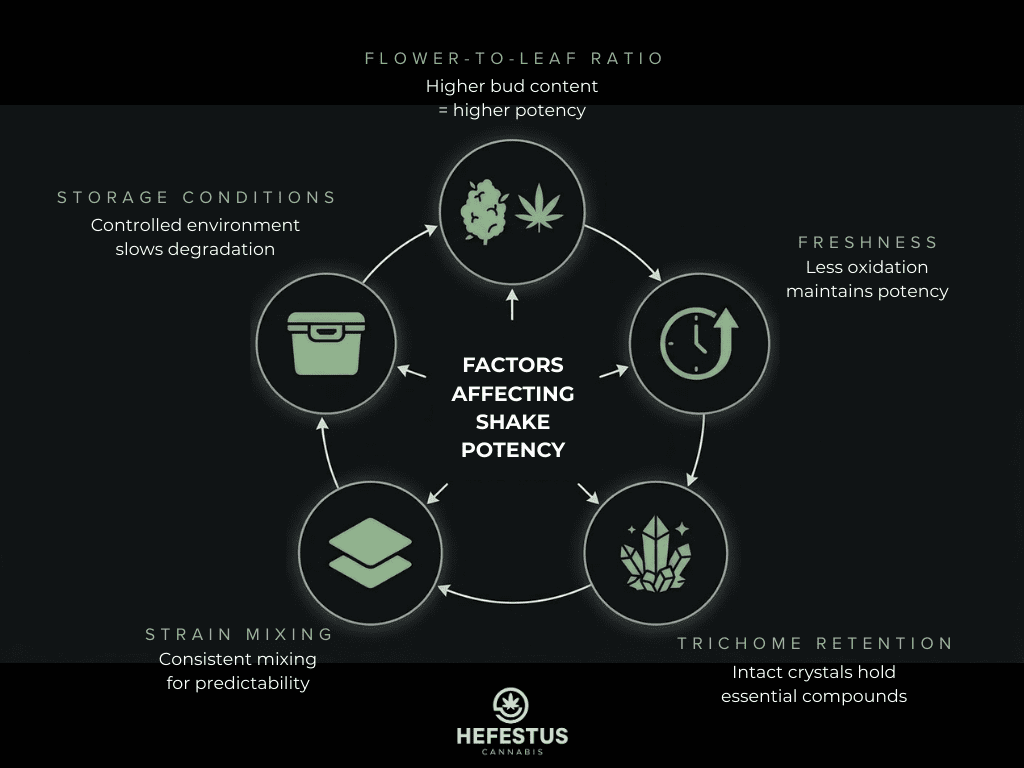
What affects the potency of shake?
Flower-to-leaf ratio
This is one of the biggest factors. More actual flower usually means better cannabinoid and terpene content. More leaf usually means lower quality, harsher smoke, and weaker overall value.
Freshness
Because the shake is made of smaller pieces, it dries out faster than an intact flower. That can reduce flavor and sometimes make the experience feel flatter, even when the cannabinoid content is still acceptable.
Trichome retention
Some shake contains a noticeable dusting of kief and loose trichomes. That can make it feel stronger than expected. The other shake has clearly lost a lot of that resin content already.
Strain mixing
Mixed-strain shake can produce less predictable effects than flower from a single cultivar. That does not always make it bad, but it does make it less precise.
Storage conditions
Exposure to light, heat, and air degrades cannabinoids and terpenes over time, and fragmented cannabis tends to suffer faster than whole buds. Proper storage matters even more with shake than with regular flower.
So if you are asking, does shake weed get you high? yes, it does. But it gets you high on a sliding scale, not on a promise. The real answer depends on quality, storage, and composition.
What Is Cannabis Shake Used For?
This is where shake becomes easier to judge fairly. It is not always the best choice for premium smoking, but it has several practical uses that make it genuinely useful.
Rolling joints and blunts
This is probably the most obvious and one of the strongest use cases. Because the shake is already broken down, it is easy to roll and requires less prep. If your main goal is convenience and cost control, shake can make a lot of sense here.
Packing bowls
Shake works in bowls, but it is not always ideal on its own. Finer material tends to burn faster and can sometimes smoke harsher than intact flower. Many people get a better result by mixing shake with regular bud to improve burn and flavor.
Dry herb vaping
Some shake works well in dry herb vaporizers, especially if it still has decent moisture and texture. But very dusty shake can be messy in some devices and may require screens or careful loading.
Making edibles
This is one of the best uses for shake. Once you are decarboxylating and infusing cannabis into oil or butter, appearance no longer matters. If the potency is decent and the price is right, shake is often one of the most practical raw materials for homemade edibles.
Infused oils and butter
For the same reason, shake can be great for cannabutter or infused oil. It is often cheaper per gram than flower sold for smoking appeal, and the structure of the bud becomes irrelevant once infusion starts.
Tinctures and topicals
Shake can also work for tinctures, balms, and similar DIY projects, especially if you want to experiment without using more expensive flower. Again, the key is whether the batch is decent enough to justify the purchase.
That is the real answer to what is cannabis shake used for: it is best used in convenience-focused and budget-focused scenarios where visual quality matters much less than function.
Why Shake Weed Is Often Used in Pre-Rolls
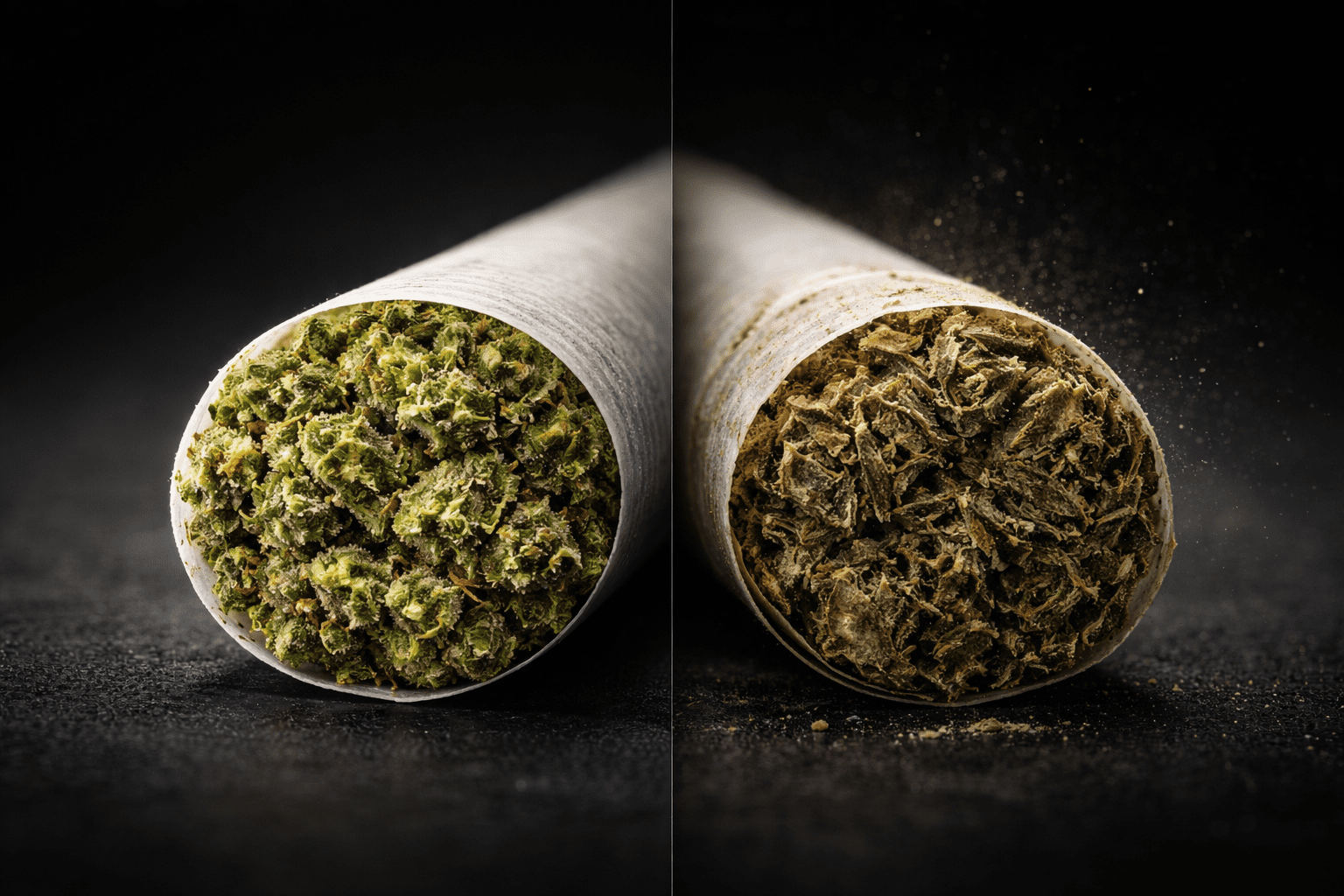
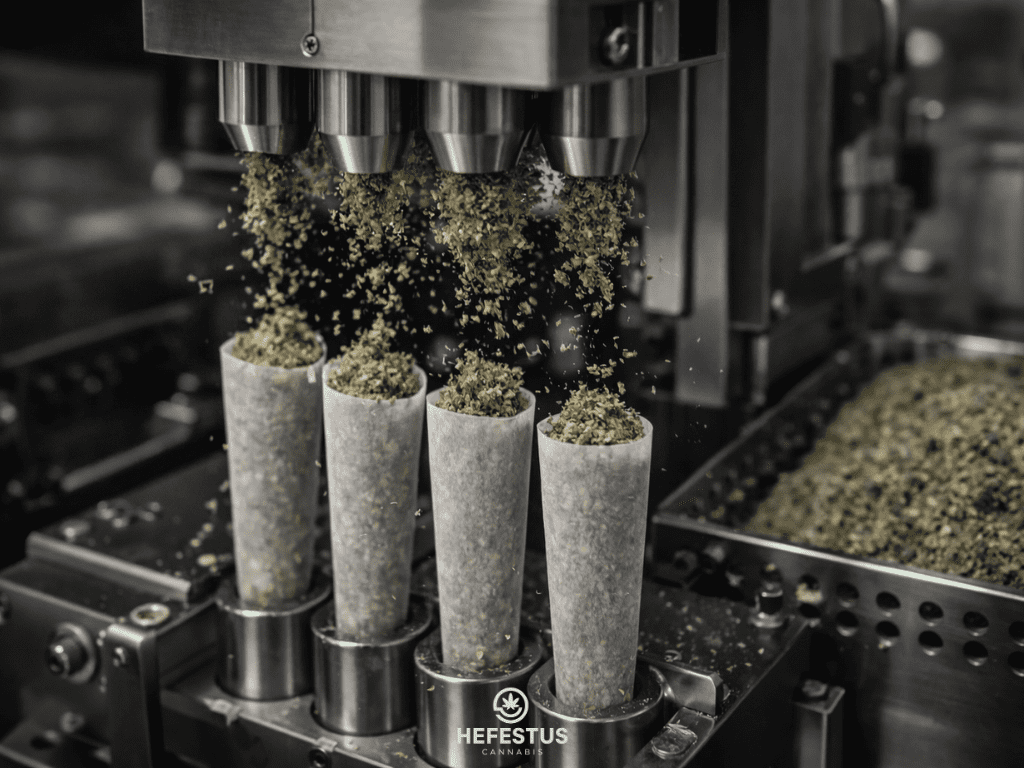
One of the most common commercial uses for shake weed is pre-roll production, and that is not accidental. Pre-rolls need consistency more than they need visual beauty. Intact buds may look better in a jar, but once cannabis is going into a cone, the priority shifts to particle size, airflow, packing density, and burn behavior.
That is why many producers use ground cannabis, shake, or a blended flower input for pre-roll filling. Smaller, more uniform particles make it easier to achieve a consistent pack inside the cone. When the fill is too uneven, pre-rolls are more likely to canoe, burn irregularly, clog, or feel too loose or too tight when smoked. Uniformity helps solve that.
For automated lines, how you set up a pre-roll machine directly affects whether that material fills evenly or turns into loose, inconsistent cones.
In practice, producers often grind and blend flower or shake into a more controlled texture before filling cones manually or with automated equipment. For brands scaling beyond manual workflows, a fully automated pre roll machine such as the Hefestus AuraX can make a major difference by producing 2,000+ pre-rolls per hour, reducing labor dependency, and improving consistency across cones, blunts, and infused products.
That process helps create a more stable pre-roll structure, supports controlled airflow, and improves burn consistency from one unit to the next – the same core principles behind how to pack a pre-roll cone properly.
This is also where proper grinding matters. If cannabis is too coarse, the pre-roll may burn unevenly or leave air gaps. If it is too fine, airflow can suffer and the cone may feel overly dense. The goal is not simply “more broken down.” The goal is the right degree of uniformity for efficient filling and a reliable smoking experience.
This creates a natural internal link opportunity to a grinder-focused resource, especially if Hefestus already has or plans to publish content about grinders for pre-roll production, particle consistency, or cone-filling workflows. The point here is not to force a product pitch. The point is to explain why shake or ground cannabis often fits pre-roll manufacturing better than intact buds do.
That industry context also helps readers think more clearly about pre-roll quality. A pre-roll made from clean, properly prepared cannabis can perform well. A pre-roll made from low-grade, overly dry, or poorly sorted shake may not. The material still matters.
How to Tell if Shake Is Worth Buying
This is where most competitor articles fall apart. They tell people shake is affordable and versatile, but they do not teach them how to judge whether the bag in front of them is actually worth the money.
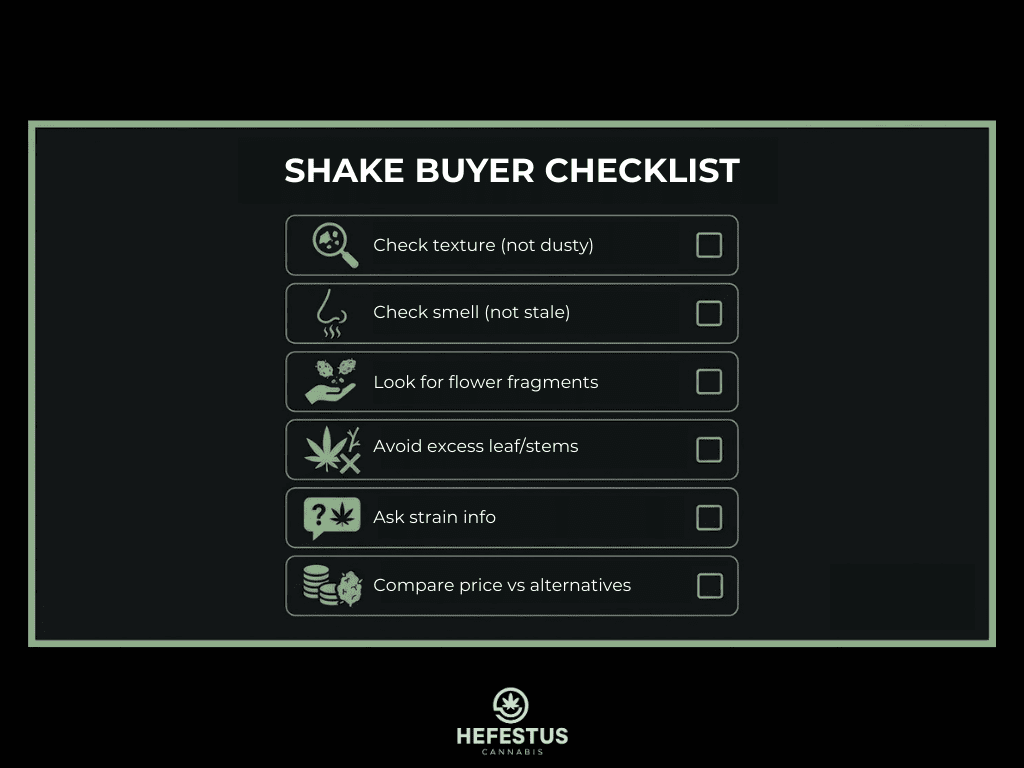
Start with texture. Good shake should feel crumbly and somewhat alive, not like dead powder. If it is excessively dusty or looks like it would vanish in a light breeze, that is not a great sign.
Then check the smell. Aroma still matters. Even discounted cannabis should smell like cannabis, not like dry hay, cardboard, or stale plant matter. If the scent is flat, musty, or weak, the quality is probably compromised.
Look closely at the composition. Some sugar leaf is normal, but too much leafy material means you are drifting away from flower-heavy shake and toward low-value filler. The same goes for visible stem content. You should not be paying for a bag full of fragments that are mostly there to inflate volume.
Ask whether it is strain-specific. If the seller can tell you the cultivar or at least whether the shake is single-strain versus mixed, that gives you more control over the experience. Mixed-strain shake is not automatically bad, but it is less predictable.
Then do the comparison that most buyers skip: compare the price of shake to the price of popcorn buds or branded pre-ground flower. If shake is only slightly cheaper than a better-format product, you may be chasing a fake bargain.
Finally, be cautious around overhyped premium labels. Kief-infused shake, “select grind,” and similar products may be worth trying, but they are not the same category as standard shake. A fair comparison only works when you compare like with like.
The simple buying rule
Buy shake when you want affordable, functional cannabis for rolling, blending, or infusions. Skip shake when you want better flavor, smoother smoke, cleaner strain expression, or a more polished overall session.
How to Store Shake Weed Properly
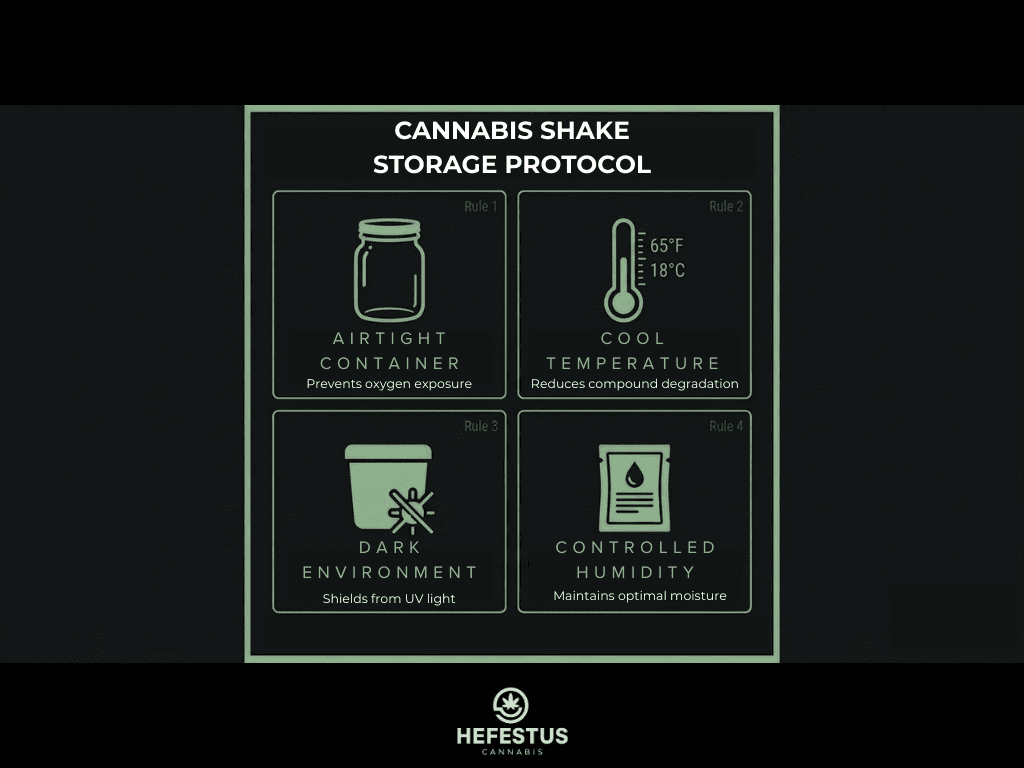
Shake weed is more vulnerable to drying out than whole flower, which makes storage especially important. Because the material is already broken into smaller pieces, it has more exposed surface area, which means cannabinoids and terpenes are more likely to degrade if it is stored poorly.
The first rule is simple: keep shake in an airtight container. Exposure to air speeds up drying and oxidation, both of which can reduce aroma, smoothness, and overall quality. Glass jars with a tight seal are usually the safest option for preserving freshness.
The second rule is to keep it away from light and heat. UV exposure and warm temperatures accelerate cannabinoid and terpene degradation. If you leave shake sitting in a warm room, a clear plastic bag, or near a window, quality will drop faster than most people realize.
Humidity control also matters. Overly dry shake becomes harsh, burns faster, and loses aromatic complexity. Too much moisture, on the other hand, creates mold risk. A controlled storage environment with proper humidity support helps maintain a better balance.
These storage habits help preserve the parts of cannabis that actually matter: cannabinoids, terpenes, potency, and flavor. And because shake starts out more fragile than whole buds, even average storage mistakes tend to show up faster.
If someone buys decent shake and stores it badly, they often blame the product when the real issue was handling after purchase. That is another reason this section belongs in the article. It makes the guide more complete and more useful.
Shake Weed vs Flower: Which Should You Choose?
This is mostly a question of priorities.
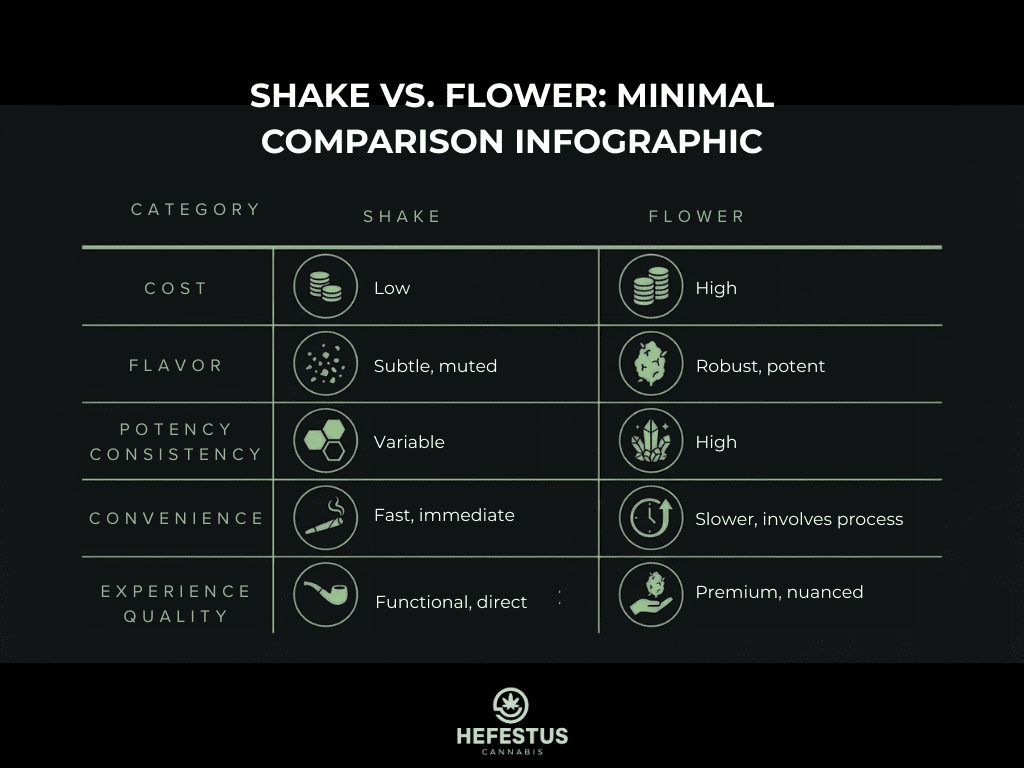
You should choose shake if your main goals are saving money, minimizing prep, making edibles, or extending a stash without using premium flower for every session. In those cases, shake can be a rational, efficient buy.
You should choose flower if you care about terpene quality, smoothness, visual appeal, slower burn, and a more consistent overall experience. Whole flower still wins there, and pretending otherwise is just sales language.
That is the honest split. Shake wins on utility. Flower wins on experience.
Common Myths About Shake Weed
“Shake is the same as trim.”
No. This is one of the most damaging and most common mistakes. Trim is removed leaf material. Shake is broken flower fragments collected through handling. They overlap in lower-end products, but they are not the same thing.
“Shake is always weak.”
Also false. Some shake is surprisingly strong. Some is not. Potency depends on what the mix contains and how well it has been stored.
“Shake is always a great deal.”
Wrong again. Cheap cannabis is not automatically good value. If the drop in quality is too steep, the lower price does not save you anything.
“Shake is just grinder leftovers.”
Not really. Leftovers from your grinder come from one known flower source. Commercial shake may come from multiple strains, different handling stages, and varying storage conditions. The comparison is convenient, but not accurate.
Who Should Buy Shake Weed?
Shake makes the most sense for people who prioritize utility over aesthetics. That includes budget-conscious buyers, people who roll often, edible makers, and casual consumers who care more about function than presentation. It is also useful for anyone trying to make stronger flower last longer by blending the two.
Shake makes less sense for people who are chasing flavor, consistency, or premium smoking quality. If you care about terpene expression, strain accuracy, smoothness, or simply want a cleaner session, flower or popcorn buds are usually the better buy.
The mistake is not buying a shake. The mistake is buying a shake for the wrong reason.
Final Thoughts: Is Shake Weed Worth It?
Shake weed is not some miracle budget secret, and it is not worthless by default either. It is simply cannabis in a more fragmented, less visually impressive, and more variable form.
When it is fresh enough, flower-heavy enough, and honestly priced, shake can be a practical and cost-effective option for joints, infusions, and everyday convenience. When it is stale, leafy, mixed without transparency, or sold too close to the price of better alternatives, it stops being a bargain and starts being a compromise with bad math.
By now, what is shake weed is no longer a mystery: it is a variable cannabis format that can be either a smart functional buy or a poor-value compromise, depending on quality and price.
The smartest way to think about shake is this:
it is worth buying for function, not fantasy.
If this guide helped you see weed shake more clearly, share it with someone who is still confusing “cheap” with “smart.”